ai

u7996237426 close up of a microphone dissolving into glitchin f14ad143 868d 43b2 91cd 20cf01765f7a 3

Synthetic Voices, Real Consequences

Not long ago, a scammer needed a convincing email or a stolen credit card number. Today, they may only need your voice. With off-the-shelf tools, a few minutes of audio—scraped from a podcast, a TikTok clip, or even a voicemail—can be spun into a synthetic voice nearly indistinguishable from the original. Fraud has always adapted to new technology. What makes synthetic voices different is how deeply they blur the boundary between identity and imitation.

Synthetic Voices, Real Consequences Read More »

u7996237426 vivid collage of multicultural urban life street ffc0fcde 7203 4965 900d bf596d94cb14 2

Diasporic Futures: How Migrant Communities Reimagine Belonging

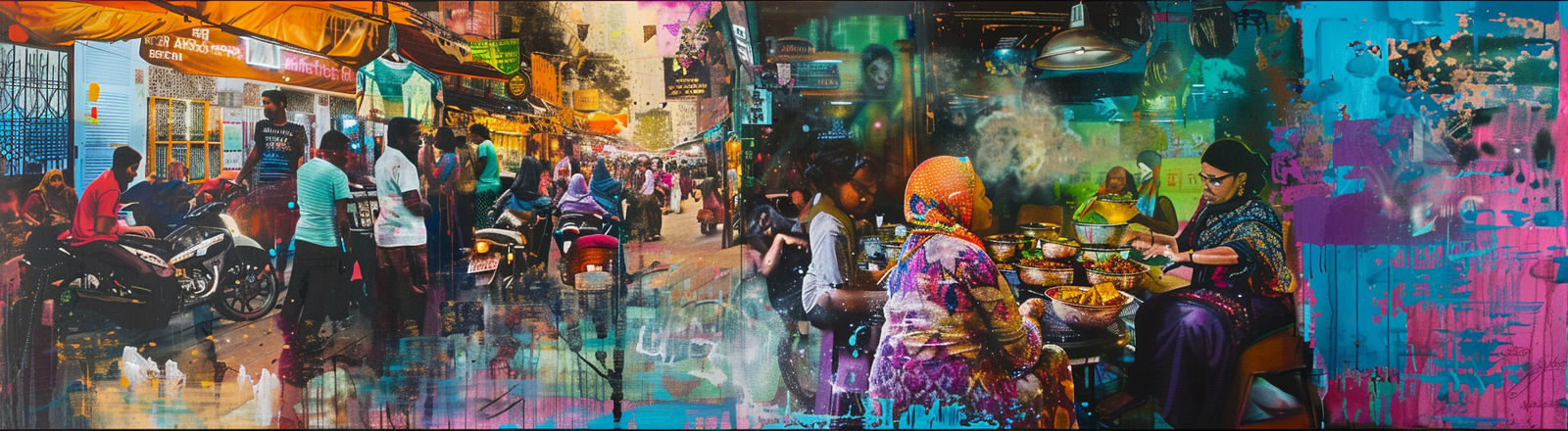
On a Sunday in Queens, a Senegalese grandmother ladles thieboudienne onto plates for a dozen relatives and neighbors. Across the Atlantic, in Paris, a Malian hip-hop collective remixes Bambara proverbs over trap beats. In Doha, a Filipino nurse livestreams karaoke night for friends in Manila. Each moment is small, ordinary. Yet together, they form the architecture of belonging—rituals that stitch community across oceans and generations

Diasporic Futures: How Migrant Communities Reimagine Belonging Read More »

u7996237426 dusty rural nevada landscape massive lithium mine a4cc0cec d448 40cd a90f 1ec7698bb461 2

The Lithium Rush: Rural Boomtowns on Borrowed Time

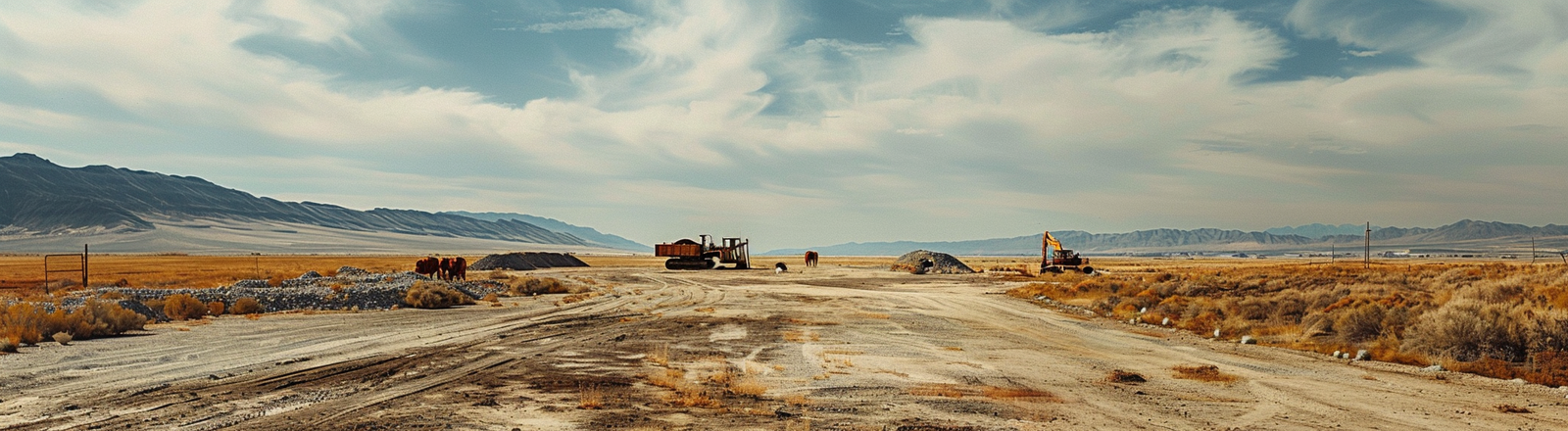
In the high desert of Nevada, just outside a ranching town of 800, the horizon is broken not by cattle or sagebrush but by earthmovers and drilling rigs. The promise here is lithium—the lightest metal, the backbone of modern batteries. For the town, it is both a lifeline and a threat. Jobs arrive, hotels fill, diners stay open late. But the ground shakes with dynamite blasts, water tables drop, and a quiet anxiety takes root: how long will the boom last, and what will be left when it ends?

The Lithium Rush: Rural Boomtowns on Borrowed Time Read More »

u7996237426 cinematic city street with buses bike lanes and t fc6bd734 e0f8 4f3c bf25 35b426909f16 2

Transit Reparations: Redesigning Mobility for the Marginalized

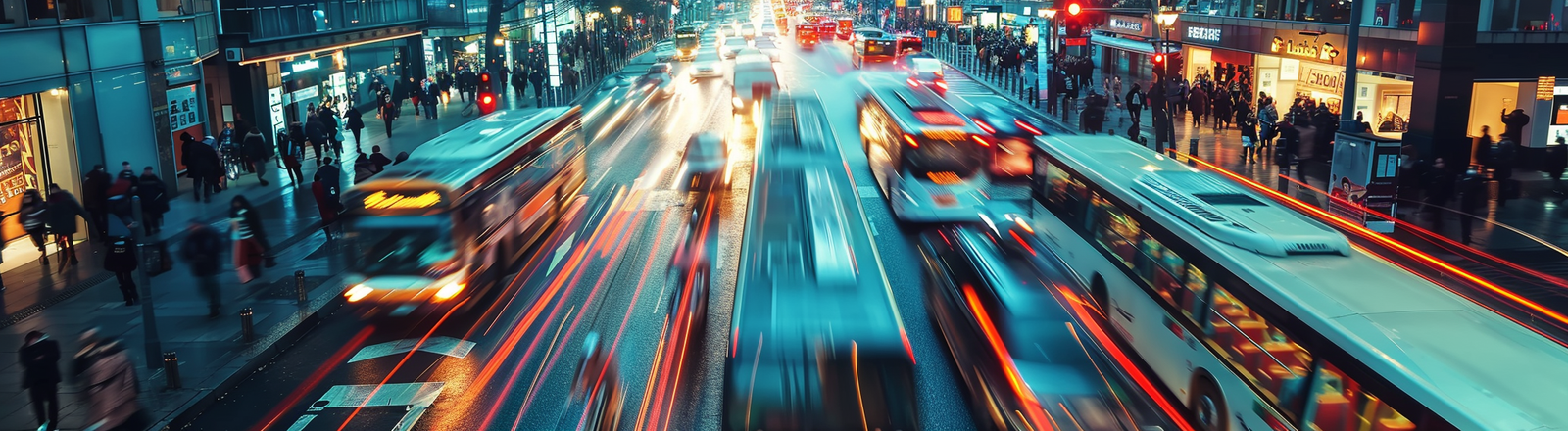
In American cities, maps of public transit often double as maps of inequality. Bus routes thin out in low-income neighborhoods. Subway stations cluster near business districts while bypassing entire communities. Sidewalks and bike lanes vanish at city borders. The result is not just inconvenience—it is exclusion. For decades, mobility has been rationed by race, class, and geography. The question now is whether transportation can be redesigned not only as infrastructure, but as restitution.

Transit Reparations: Redesigning Mobility for the Marginalized Read More »

u7996237426 a world map morphing into three dramatic maritime 40f225ee 8faa 4bb7 9fab 661a99ecd288 2

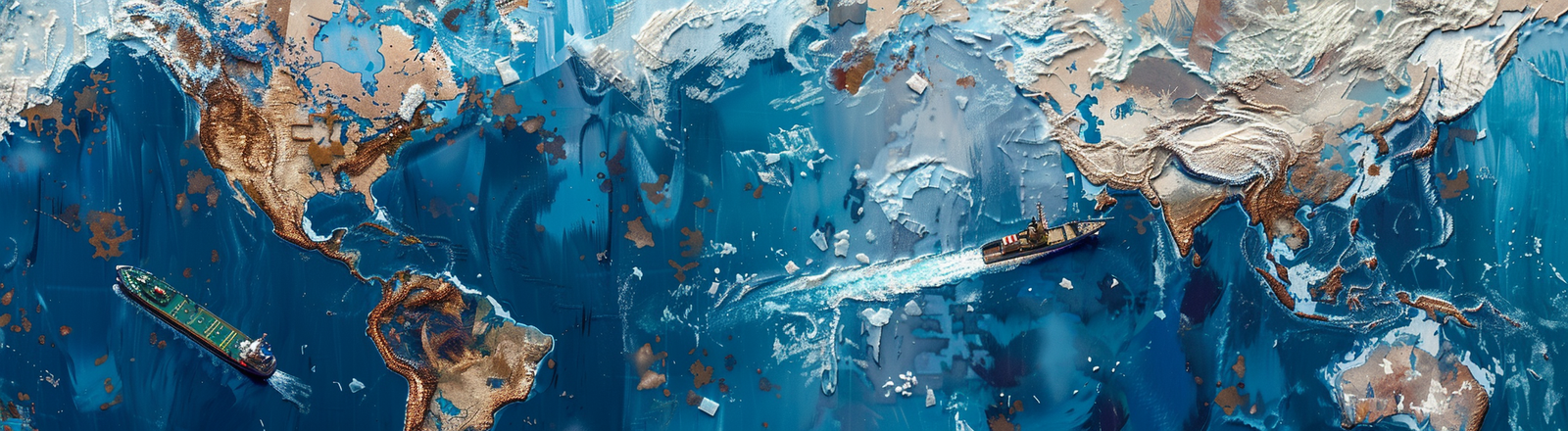
Chokepoints Reborn: From Suez and Malacca to a Melting Arctic

At dawn on October 29, 1956, Egyptian forces detonated explosives along the banks of the Suez Canal. The blast reverberated across the Cold War world: Britain and France, fearing for their oil lifeline, would soon invade; the United States, alarmed at Soviet maneuvering, would force them back. A single narrow waterway had plunged empires into crisis.

The drama of Suez was not unique. Maritime chokepoints have always been levers of power disproportionate to their geography. The Strait of Malacca, scarcely 1.7 miles wide at its narrowest, has determined the fortunes of kingdoms from Srivijaya to Singapore. The Dardanelles, gateway between the Mediterranean and Black Sea, helped trigger the Gallipoli campaign of 1915. Whoever commands the bottlenecks of the world commands trade, energy, and, often, history itself.

Today, a new chokepoint is emerging—not in the deserts of Egypt or the tropics of Southeast Asia, but across the ice-laden waters of the Arctic. As climate change accelerates, once-impenetrable sea ice is retreating, exposing routes that were for centuries the stuff of explorers’ fantasies. The “Northern Sea Route” along Russia’s Siberian coast and the elusive “Northwest Passage” across Canada’s Arctic Archipelago are becoming navigable for longer stretches each summer. Shipping firms calculate that a Rotterdam–Shanghai voyage could be shortened by up to two weeks. In an age where days translate into millions, that is not a marginal gain; it is a strategic revolution.


Chokepoints Reborn: From Suez and Malacca to a Melting Arctic Read More »

u7996237426 a futuristic cityscape split screen style left si a19b7b90 71da 482c be35 97b969ad15bc 1

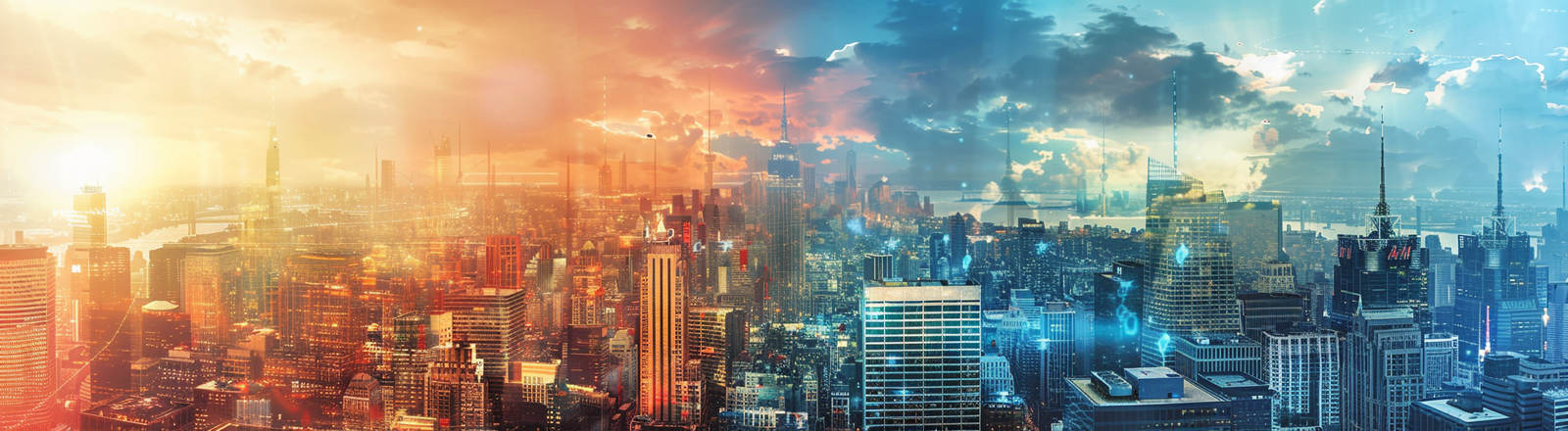
Downscaling the Future: How Hyperlocal Climate Models Rewrite City Policy

Climate change often feels like a story told at the planetary scale: degrees of global warming, sea levels rising worldwide, models projecting to the year 2100. But for a city planner deciding whether to expand storm drains or plant more trees, those planetary averages are too blunt an instrument. What they need is not a forecast for the Earth, but a forecast for their neighborhood.

That’s where “downscaling” comes in. It’s the scientific process of taking coarse global climate models—think of them as the blurry outlines of a weather map—and sharpening them to the resolution of a city block. Instead of predicting rainfall shifts across an entire continent, downscaled models can estimate how a thunderstorm might behave in a single metropolitan basin.

Downscaling the Future: How Hyperlocal Climate Models Rewrite City Policy Read More »

u7996237426 an office floor dissolving into glowing code desk b2060410 f2f3 4647 b020 9dad35f9d6a9 3

The Middle-Office Meltdown: How AI Is Erasing the ‘Glue Jobs’ That Hold Companies Together

When people imagine automation, they usually picture robots replacing factory workers, or algorithms taking over call centers. The popular storyline is frontline roles versus machines. But a quieter transformation is underway—one that strikes at the “middle office,” the layer of analysts, coordinators, and specialists who keep companies running behind the scenes.

These are not the jobs that grab headlines. They’re the project managers who translate strategy into deadlines. The compliance officers who ensure reports are filed correctly. The junior accountants reconciling invoices. Individually, their work rarely makes the company newsletter. Collectively, they are the connective tissue—the glue—that keeps organizations functioning. And AI is coming for them.

The Middle-Office Meltdown: How AI Is Erasing the ‘Glue Jobs’ That Hold Companies Together Read More »

u7996237426 a vast digital library fading into mist shelves o 0ec8baf4 2de9 4a91 89f0 7202877fc2ed 1

The Right to Be Forgotten vs. the Duty to Remember

Europe’s General Data Protection Regulation enshrined an unusual concept into law: the “right to be forgotten.” Citizens may petition for certain records—search results, past infractions, even images—to be removed from digital visibility. In an age where the internet never forgets, the promise of erasure feels like a form of justice.

But every act of forgetting is also an act of memory management. To delete is not merely to protect; it is to reshape the collective archive. And here lies the tension: when does the individual’s right to obscurity conflict with society’s duty to remember?

The Right to Be Forgotten vs. the Duty to Remember Read More »

u7996237426 a giant biometric scanner with a glowing human fa b3f15c87 3564 4434 b665 4adb22a37aee 3

Passwordless, Priceless? The Hidden Risks of a Biometric Internet

For decades, the humble password has been the gatekeeper of our digital lives. Clumsy though it was—reused, forgotten, scribbled on sticky notes—it had one advantage: it could be changed. When compromised, you could burn it down and start again.

Now, tech companies promise a sleeker, safer future: the passwordless internet. Apple, Microsoft, and Google are pushing “passkeys”—cryptographic tokens tied to a device or biometric signature. Instead of typing in “P@ssw0rd123,” you log in with a fingerprint, a face scan, or a hardware key. Faster, frictionless, more secure.

Passwordless, Priceless? The Hidden Risks of a Biometric Internet Read More »