After Repatriation: What Returns Mean for Living Communities
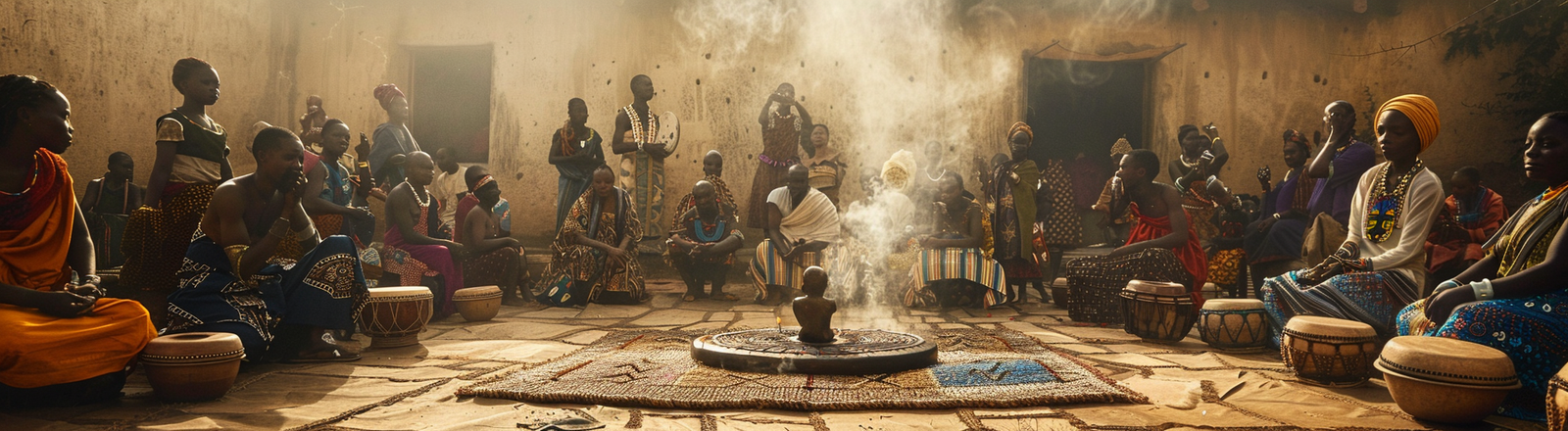
In a small courtyard in Benin City, Nigeria, the air thick with incense and drumbeats, a bronze head was lowered onto a woven mat. It had traveled for more than a century—from palace to colonial ship, from European museum to climate-controlled gallery—and now, finally, back home. The gathered crowd did not whisper the language of “cultural property” or “collection management.” They spoke instead of ancestors, of repair, of voices long silenced.
Repatriation is often framed in the language of restitution: the object as evidence of historical theft, the return as moral correction. Yet in the lives of communities, return is not only an act of closing the past. It is also an opening—a re-entry of ritual power, of livelihoods, of contested authority.
After Repatriation: What Returns Mean for Living Communities Read More »