ai

Biometric Borders: The Future of Travel or the End of Freedom?

At a growing number of airports, your face is now your boarding pass. A quick scan, a green light, and you’re waved through—no fumbling for IDs, no manual checks. To the weary traveler, it feels like a glimpse of the future: seamless, frictionless, efficient.

But this future carries a shadow. As biometric border systems spread—using fingerprints, iris scans, and facial recognition to verify identity—the convenience they promise comes with a question few passengers stop to ask: What happens to all that data, and who controls it?

Biometric Borders: The Future of Travel or the End of Freedom? Read More »
The Global Fashion Supply Chain’s Invisible Storytellers

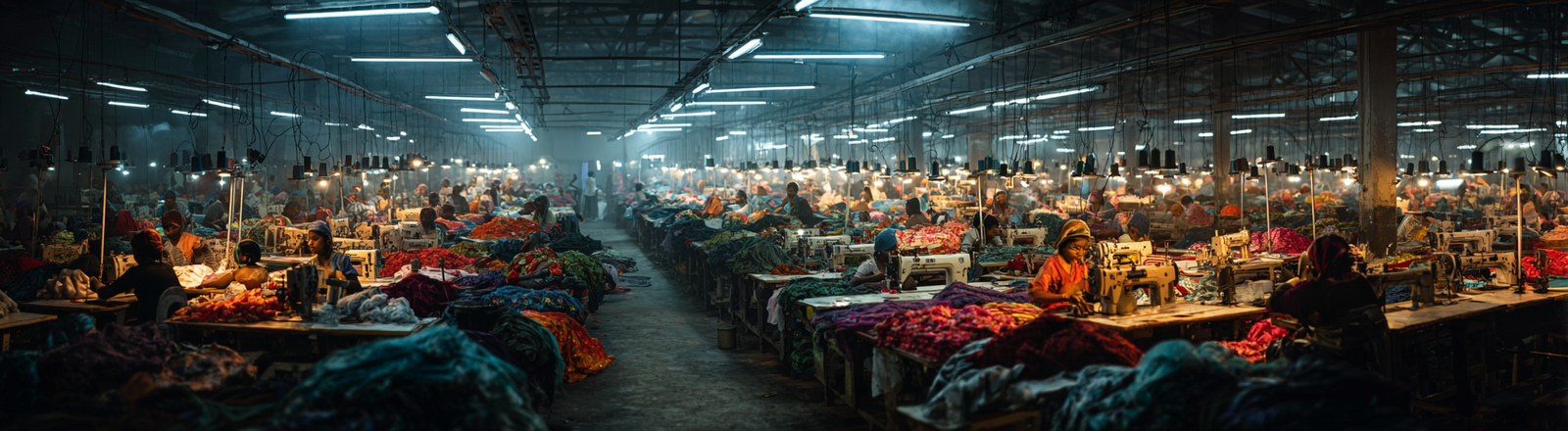
In the narrow backstreets of Dhaka, where sewing machines hum in uneven chorus, the story of global fashion is stitched together one seam at a time. But it is a story few consumers will ever hear. The garments that arrive folded in tissue and displayed under soft lights are silent about the hands that made them, the places they traveled through, and the lives that shaped them.

Yet every shirt, every dress, carries a hidden narrative—if we know how to listen.

The Global Fashion Supply Chain’s Invisible Storytellers Read More »

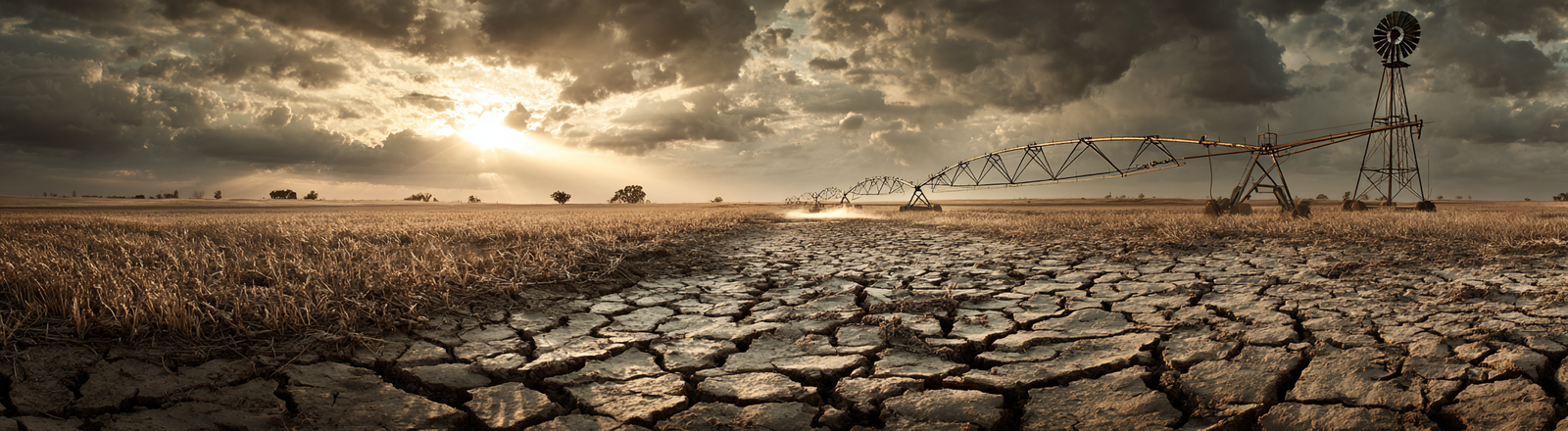
The Water Wars Already Happening in America’s Heartland

The first thing you notice driving into Garden City, Kansas, isn’t the endless horizon or the golden sweep of wheat—it’s the wells. Steel pumpjacks rise from the fields like stubborn mechanical weeds, pulling from an underground reserve that has been shrinking for decades.

This is the Ogallala Aquifer, one of the largest freshwater bodies in the world, stretching beneath eight states. It is also vanishing—drained faster than it can be replenished, a slow-motion crisis that’s already reshaping the politics, economy, and daily life of America’s agricultural heartland.

The Water Wars Already Happening in America’s Heartland Read More »

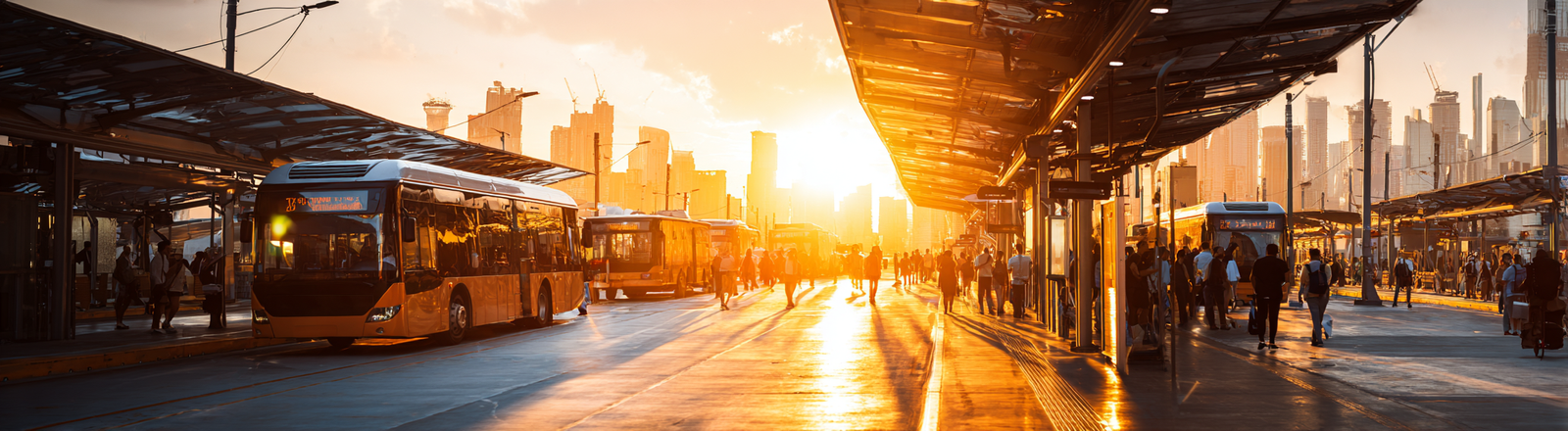
Transit Justice: The Missing Link in Climate Action

If we are serious about cutting greenhouse gas emissions, we must talk about cars. Not electric cars, not self-driving cars—cars, period. In the United States, transportation is the single largest source of carbon emissions, and the vast majority of that comes from personal vehicles.

The common climate narrative is that replacing gas-powered cars with electric ones will solve the problem. But even the cleanest EVs take up the same space, perpetuate sprawl, and demand the same resource-intensive infrastructure. Without a fundamental shift toward public transit, we risk locking ourselves into a future that is lower-carbon but still unjust, inaccessible, and unsustainable.

Transit Justice: The Missing Link in Climate Action Read More »

u7996237426 Ultra wide cinematic image of a Caribbean financi ef32378e 71dd 45b2 9709 439c6fc99435 1

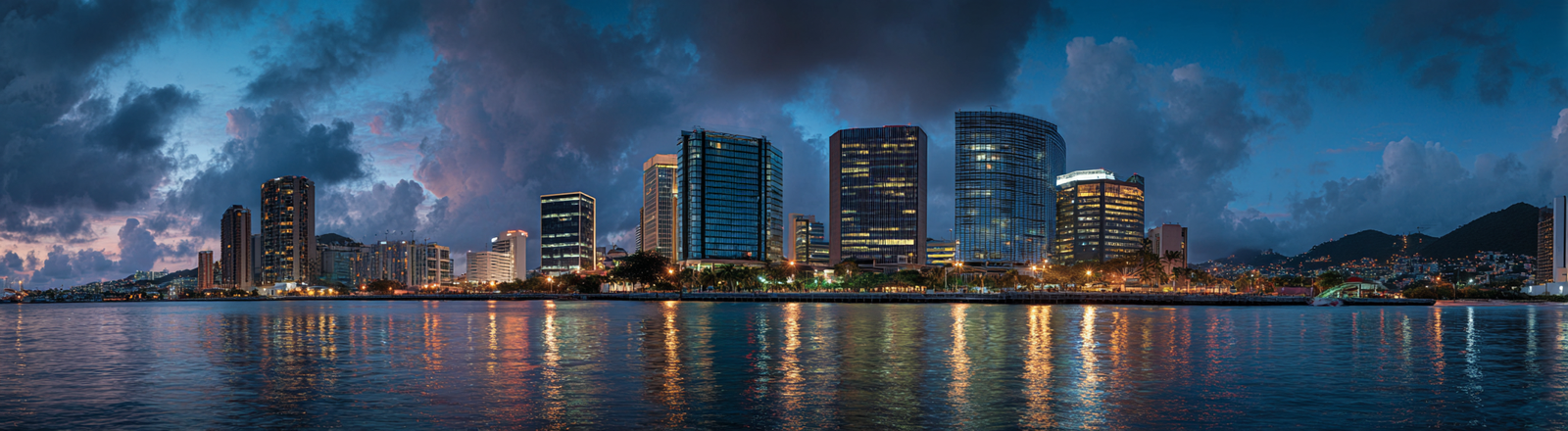
The Quiet Collapse of Offshore Banking Havens

For decades, offshore banking havens—those small jurisdictions where capital could slip in quietly and taxes barely whispered its name—were fixtures of the global financial landscape. The British Virgin Islands, the Cayman Islands, Panama, Liechtenstein: they were more than tropical postcards and mountain chalets. They were nodes in a shadow network moving trillions of dollars across borders with minimal oversight.

That network is now shrinking—not with a bang, but with the steady grind of international regulation, transparency agreements, and political pressure. The collapse is quiet, but its effects are profound.

The Quiet Collapse of Offshore Banking Havens Read More »

u7996237426 ultra wide cinematic collage blending u.s. dollar 1bf1dcdc 861c 412e a9d3 bc287bee39d7 2

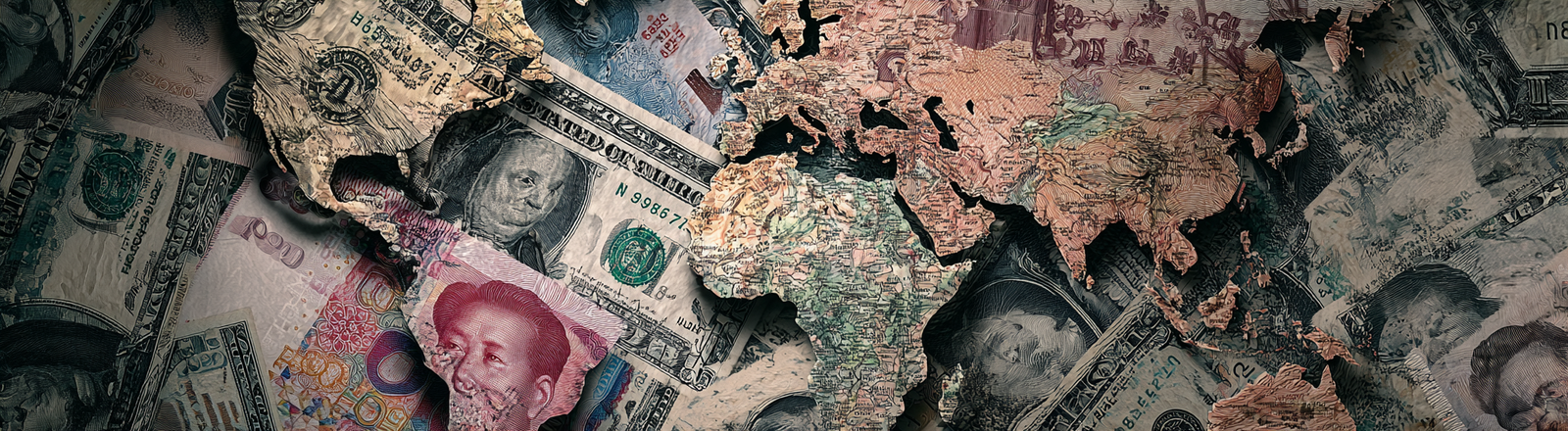
The Currency Cold War: Competing for the World’s Reserve

In the marble halls of central banks and the quiet meeting rooms of finance ministries, a high-stakes contest is unfolding. It’s not about tariffs or trade agreements. It’s about which currency the world will trust most — and, by extension, which nation will wield the greatest economic influence in the decades to come.

For nearly eight decades, the U.S. dollar has reigned as the world’s primary reserve currency, the backbone of global trade, and the benchmark for commodities from oil to gold. But in recent years, the euro and the Chinese yuan have been maneuvering for greater prominence, each seeking to loosen the dollar’s grip.

The Currency Cold War: Competing for the World’s Reserve Read More »

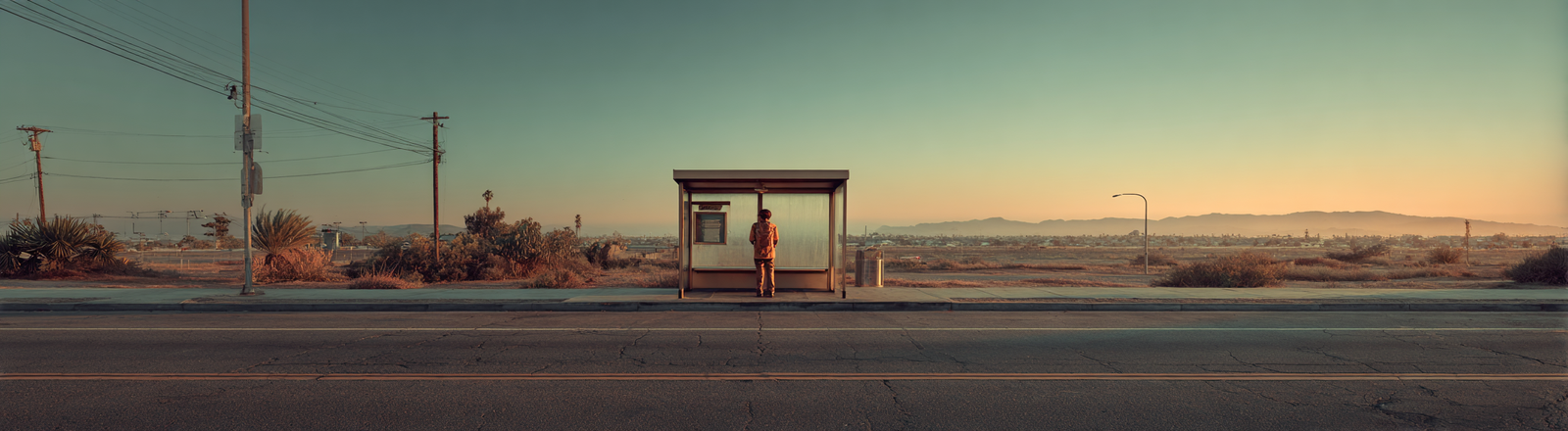
Transit Deserts: How Poor Public Transport Perpetuates Inequality

At 5:12 a.m. in Atlanta’s southwest corridor, Marlene waits for the first bus of the day. It’s scheduled for 5:20, but she’s learned not to trust the timetable — delays of 20 or 30 minutes are common. She works at a warehouse 12 miles away, a job that pays just above minimum wage. Without a car, she relies on a patchwork of buses and transfers. One missed connection can mean arriving late, losing hours, or even losing the job.

Marlene’s neighborhood is a transit desert: a place where public transportation is so limited, infrequent, or poorly connected that daily life becomes a logistical and financial strain. For millions in American cities, this is not just an inconvenience — it’s a structural barrier to opportunity.

Transit Deserts: How Poor Public Transport Perpetuates Inequality Read More »

u7996237426 ultra wide cinematic photograph of a rural landsc 9c53fa03 7e2f 4f0f befe 42496a5d954a 2

When Conservation and Livelihoods Collide

On the edge of Namibia’s Skeleton Coast, a rust-colored sunrise spills across the desert, painting the dunes in gold. Just beyond the park’s boundary, I meet Lena, a goat herder whose family has grazed this land for generations. From her yard, the horizon looks the same as it always has — except now, there’s a wire fence where there used to be open scrub.

That fence marks the start of a new conservation zone, created to protect endangered desert-adapted lions. It also cuts off one of Lena’s main grazing routes.

When Conservation and Livelihoods Collide Read More »

The Global Stage: How Culture is Packaged for International Consumption

In a converted warehouse in Dakar, dancers rehearse to the sharp rhythms of sabar drums. The choreography is tight, the costumes freshly stitched. But these are not the dances they grew up with in neighborhood gatherings or family celebrations. The steps have been trimmed, synchronized, and sequenced to fit a twenty-minute performance slot at a European arts festival.

Outside, a tour bus idles, waiting to take the troupe to the airport. In their luggage: not just fabric and drumsticks, but a version of culture tailored for export.

The Global Stage: How Culture is Packaged for International Consumption Read More »

Algorithmic Borders: The Rise of Digital Immigration Control

The first checkpoint may no longer be a uniformed officer with a passport stamp. Increasingly, it is a silent algorithm, running on a remote server, deciding — in milliseconds — whether you will be waved through, delayed, or denied.

From visa applications to airport security screening, artificial intelligence is becoming the invisible gatekeeper of human mobility. Governments frame these systems as efficiency upgrades: faster queues, fewer errors, more “objective” decisions. But efficiency can also conceal a shift in power — and accountability — from human judgment to machine logic.

Algorithmic Borders: The Rise of Digital Immigration Control Read More »