life

u7996237426 a cinematic editorial illustration of glowing und 9598c9f8 4232 4d2b a974 243f53b24efe 0

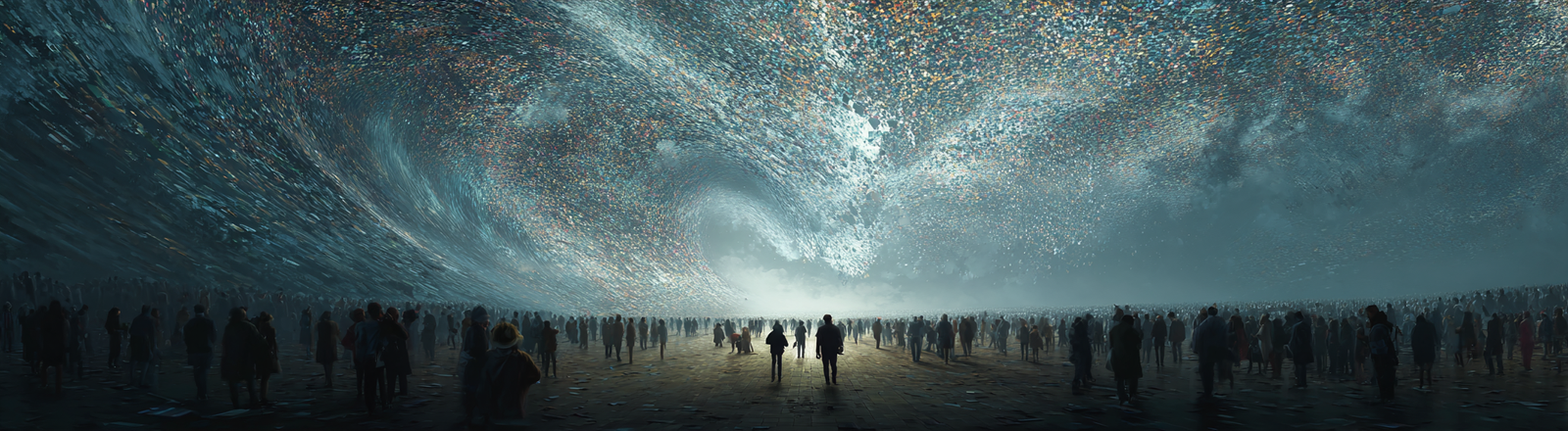
The New Iron Curtain: How Fiber-Optic Cables Redraw Global Fault Lines

In the middle of the North Sea, ships drop anchor not for trade, but to lower a different kind of lifeline: fiber-optic cables as thin as a garden hose, carrying nearly all the world’s internet traffic. These strands of glass, buried in the seabed, are the hidden arteries of the global economy. And like railroads in the 19th century or oil chokepoints in the 20th, they are becoming the contested frontiers of great-power rivalry. What divides nations today is not just ideology or territory, but the control of invisible threads binding the modern world together.

The New Iron Curtain: How Fiber-Optic Cables Redraw Global Fault Lines Read More »
u7996237426 vivid collage of multicultural urban life street ffc0fcde 7203 4965 900d bf596d94cb14 2

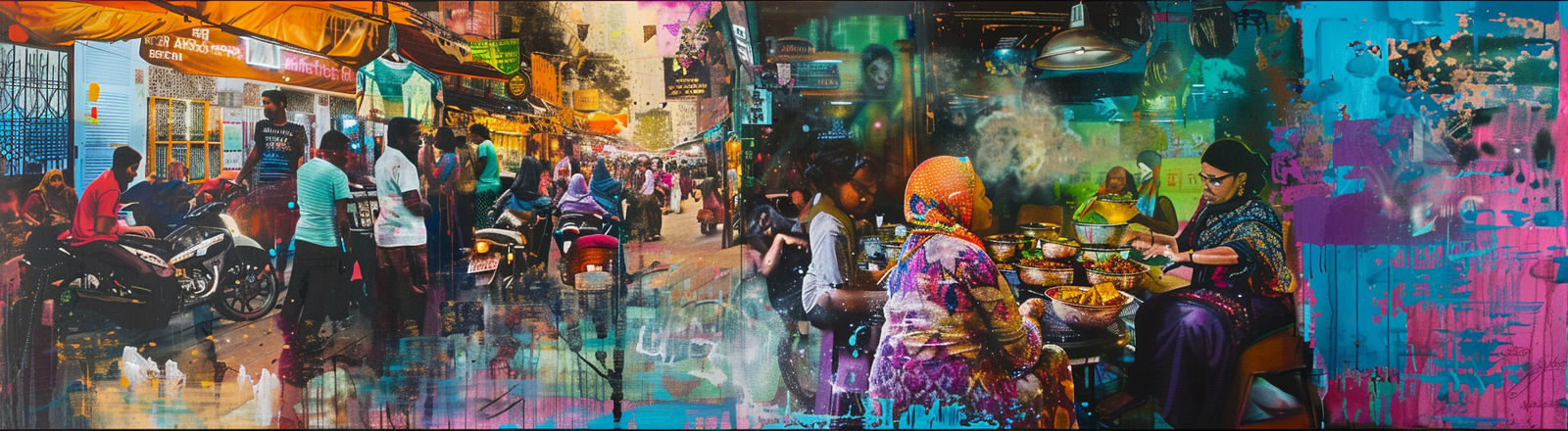
Diasporic Futures: How Migrant Communities Reimagine Belonging

On a Sunday in Queens, a Senegalese grandmother ladles thieboudienne onto plates for a dozen relatives and neighbors. Across the Atlantic, in Paris, a Malian hip-hop collective remixes Bambara proverbs over trap beats. In Doha, a Filipino nurse livestreams karaoke night for friends in Manila. Each moment is small, ordinary. Yet together, they form the architecture of belonging—rituals that stitch community across oceans and generations

Diasporic Futures: How Migrant Communities Reimagine Belonging Read More »

u7996237426 a vast digital library fading into mist shelves o 0ec8baf4 2de9 4a91 89f0 7202877fc2ed 1

The Right to Be Forgotten vs. the Duty to Remember

Europe’s General Data Protection Regulation enshrined an unusual concept into law: the “right to be forgotten.” Citizens may petition for certain records—search results, past infractions, even images—to be removed from digital visibility. In an age where the internet never forgets, the promise of erasure feels like a form of justice.

But every act of forgetting is also an act of memory management. To delete is not merely to protect; it is to reshape the collective archive. And here lies the tension: when does the individual’s right to obscurity conflict with society’s duty to remember?

The Right to Be Forgotten vs. the Duty to Remember Read More »

u7996237426 a giant biometric scanner with a glowing human fa b3f15c87 3564 4434 b665 4adb22a37aee 3

Passwordless, Priceless? The Hidden Risks of a Biometric Internet

For decades, the humble password has been the gatekeeper of our digital lives. Clumsy though it was—reused, forgotten, scribbled on sticky notes—it had one advantage: it could be changed. When compromised, you could burn it down and start again.

Now, tech companies promise a sleeker, safer future: the passwordless internet. Apple, Microsoft, and Google are pushing “passkeys”—cryptographic tokens tied to a device or biometric signature. Instead of typing in “P@ssw0rd123,” you log in with a fingerprint, a face scan, or a hardware key. Faster, frictionless, more secure.

Passwordless, Priceless? The Hidden Risks of a Biometric Internet Read More »

u7996237426 a wide rural landscape with cornfields and silos 073b79ad fefb 4b97 813b 9bba642ade02 0

Data Centers, Dry Wells: Rural America’s New Faustian Bargain

On the edge of a cornfield in central Iowa, steel skeletons rise where silos once stood. They are not barns but server halls—vast, windowless structures humming with the machinery of the digital age. Inside, racks of servers will soon pulse with cloud traffic for global companies. Outside, residents wonder what will become of their wells.

Across rural America, towns long defined by agriculture are striking deals with technology giants. The bargains are familiar: land for sprawling campuses, generous tax abatements, and promises of jobs. But the new wrinkle is elemental—these facilities devour water and power on scales small communities never imagined.

Data Centers, Dry Wells: Rural America’s New Faustian Bargain Read More »

u7996237426 a digital dollar coin glowing over a financial sk acc67139 b879 4c02 b690 415c11ddde6f 2

Stablecoins as Shadow Reserves: Finance Without a Safety Net

In the long history of money, reserves have been the ballast that steadies the system. Central banks hold gold or dollars to reassure markets that when turbulence strikes, redemption is possible. Yet a new form of “reserve” has been growing in the shadows: stablecoins, digital tokens pegged to the U.S. dollar and traded at lightning speed across global platforms.

Tether, USD Coin, and a handful of others now represent more than $150 billion in circulation. They promise a simple proposition: one coin, always redeemable for one dollar. To traders in crypto markets, they are the grease that keeps transactions flowing. To investors in emerging economies, they have become a lifeline—an unofficial dollarization for those wary of local inflation.

But behind this apparent stability lies fragility. Stablecoins are not backed by a central bank’s balance sheet. They are private promises, supported by opaque portfolios of short-term debt and cash equivalents. And unlike bank deposits, they are not insured.

Stablecoins as Shadow Reserves: Finance Without a Safety Net Read More »

Why the Gig Economy’s Second Act Could Be Worse Than the First

When the gig economy burst onto the scene in the early 2010s, it came wrapped in the language of freedom. Be your own boss. Set your own hours. Work from anywhere. For a while, it felt like a bargain—especially for people shut out of traditional jobs or looking to make ends meet on their own terms.

But beneath the app-based convenience, the first act of the gig economy carried hidden costs: income instability, lack of benefits, algorithmic control. Many workers discovered that “flexibility” could mean unpredictable schedules and “independence” often came without a safety net.

Now, as the sector evolves, we’re entering what I call the second act—and the warning signs suggest it may be even harsher than the first.

Why the Gig Economy’s Second Act Could Be Worse Than the First Read More »

The Water Wars Already Happening in America’s Heartland

The first thing you notice driving into Garden City, Kansas, isn’t the endless horizon or the golden sweep of wheat—it’s the wells. Steel pumpjacks rise from the fields like stubborn mechanical weeds, pulling from an underground reserve that has been shrinking for decades.

This is the Ogallala Aquifer, one of the largest freshwater bodies in the world, stretching beneath eight states. It is also vanishing—drained faster than it can be replenished, a slow-motion crisis that’s already reshaping the politics, economy, and daily life of America’s agricultural heartland.

The Water Wars Already Happening in America’s Heartland Read More »

u7996237426 ultra wide cinematic photograph of a rural landsc 9c53fa03 7e2f 4f0f befe 42496a5d954a 2

When Conservation and Livelihoods Collide

On the edge of Namibia’s Skeleton Coast, a rust-colored sunrise spills across the desert, painting the dunes in gold. Just beyond the park’s boundary, I meet Lena, a goat herder whose family has grazed this land for generations. From her yard, the horizon looks the same as it always has — except now, there’s a wire fence where there used to be open scrub.

That fence marks the start of a new conservation zone, created to protect endangered desert-adapted lions. It also cuts off one of Lena’s main grazing routes.

When Conservation and Livelihoods Collide Read More »

The Tyranny of the Majority in the Digital Age

In his 1835 Democracy in America, Alexis de Tocqueville warned of a danger inherent to democratic life: the “tyranny of the majority.” It was not the tyranny of kings, with armies and decrees, but of numbers — the tendency for the majority’s will to drown out, suppress, or delegitimize dissenting voices.

Nearly two centuries later, the town square has moved online. The algorithms that govern our social media feeds are, in a sense, Tocqueville’s fear made mechanical: they reward what resonates widely and punish what does not. In this arena, majority sentiment is not just powerful — it is amplified, quantified, and relentlessly reinforced.

The Tyranny of the Majority in the Digital Age Read More »