life

Dewg Human centered kitchen scene showing a person mid action f2849431 1adb 421d 9444 a59487161d29 3

Simple Meal Prep for Beginners: The 20-Minute Method for People Who Hate Cooking

If you hate cooking, simple meal prep for beginners is the only version of meal prep that will work for you. Not because you’re going to fall in love with chopping vegetables or browsing recipes, but because this method removes all the friction points that normally make cooking exhausting. Cooking requires decisions, timing, technique, and cleanup. Systems require none of that. The twenty-minute method is built like an engineering protocol: three components, one workflow, zero unnecessary steps. It is not about becoming a better cook. It is about creating predictable output inside a chaotic week.

Simple Meal Prep for Beginners: The 20-Minute Method for People Who Hate Cooking Read More »

u7996237426 wide cinematic shot of robotic mining equipment o 41ccab3a 788d 4439 8c24 836914d485de 0

Saltwater Capital: The Next Frontier of Ocean Extraction

In the nineteenth century, the frontier of extraction was coal seams and gold veins. In the twentieth, it was oil fields and rare earth mines. Today, the newest frontier lies beneath the waves. As terrestrial reserves dwindle, corporations and states are turning toward the ocean floor, where polymetallic nodules, cobalt-rich crusts, and hydrothermal vents promise the raw materials of the green transition. Yet the promise of abundance conceals a deeper paradox: in the scramble to electrify the future, we risk scarring the oldest ecosystem on Earth.

Saltwater Capital: The Next Frontier of Ocean Extraction Read More »

u7996237426 a wide cinematic editorial illustration of the cl 564d76a1 0a27 4aac 8d53 cbd7f10c7abb 1

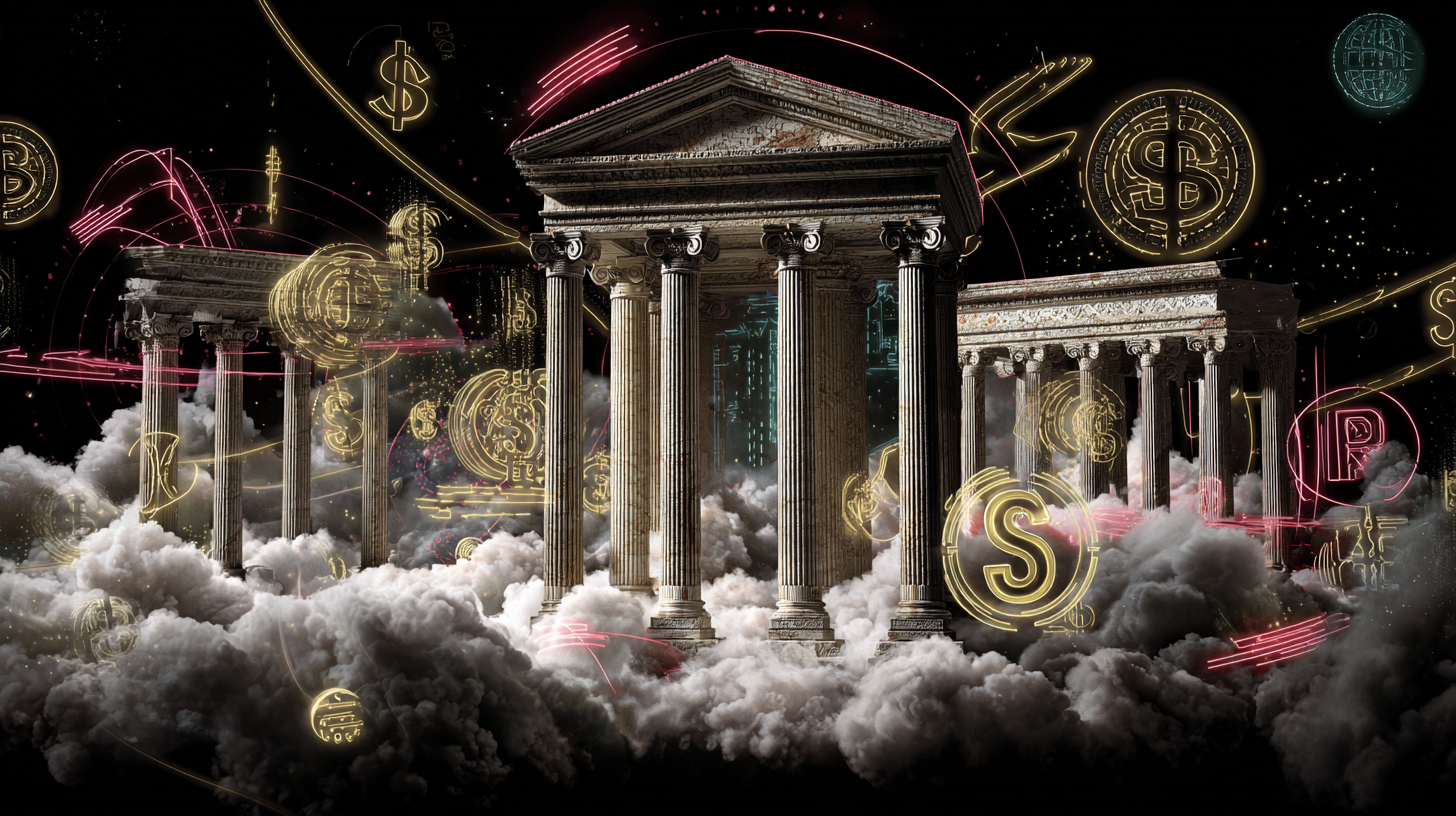
Currency in the Cloud: When Central Banks Compete With Stablecoins

For centuries, money has been the clearest expression of state sovereignty. A national currency was more than a medium of exchange; it was a flag in every pocket, a daily reminder that governments controlled the foundations of economic life. Today, that monopoly is under threat. Stablecoins — digital tokens pegged to traditional currencies but issued by private actors — are forcing central banks into an unfamiliar contest: competing not only with each other, but with money that exists outside their walls.

Currency in the Cloud: When Central Banks Compete With Stablecoins Read More »

haunt in logfile

The Ghost in the Logfile: How Forgotten Data Haunts the Present

Every digital system leaves a trail. Logfiles record every login attempt, every failed transaction, every keystroke that touches a server. To engineers, these traces are mundane — raw material for debugging or auditing. But in the age of machine learning, forgotten logs have become something else: a vast graveyard of personal data, still alive enough to be exhumed, repurposed, and weaponized.

The Ghost in the Logfile: How Forgotten Data Haunts the Present Read More »

u7996237426 a modern editorial illustration of office workers 97243451 3df8 4bc2 a812 3cd181fc2dcd 3

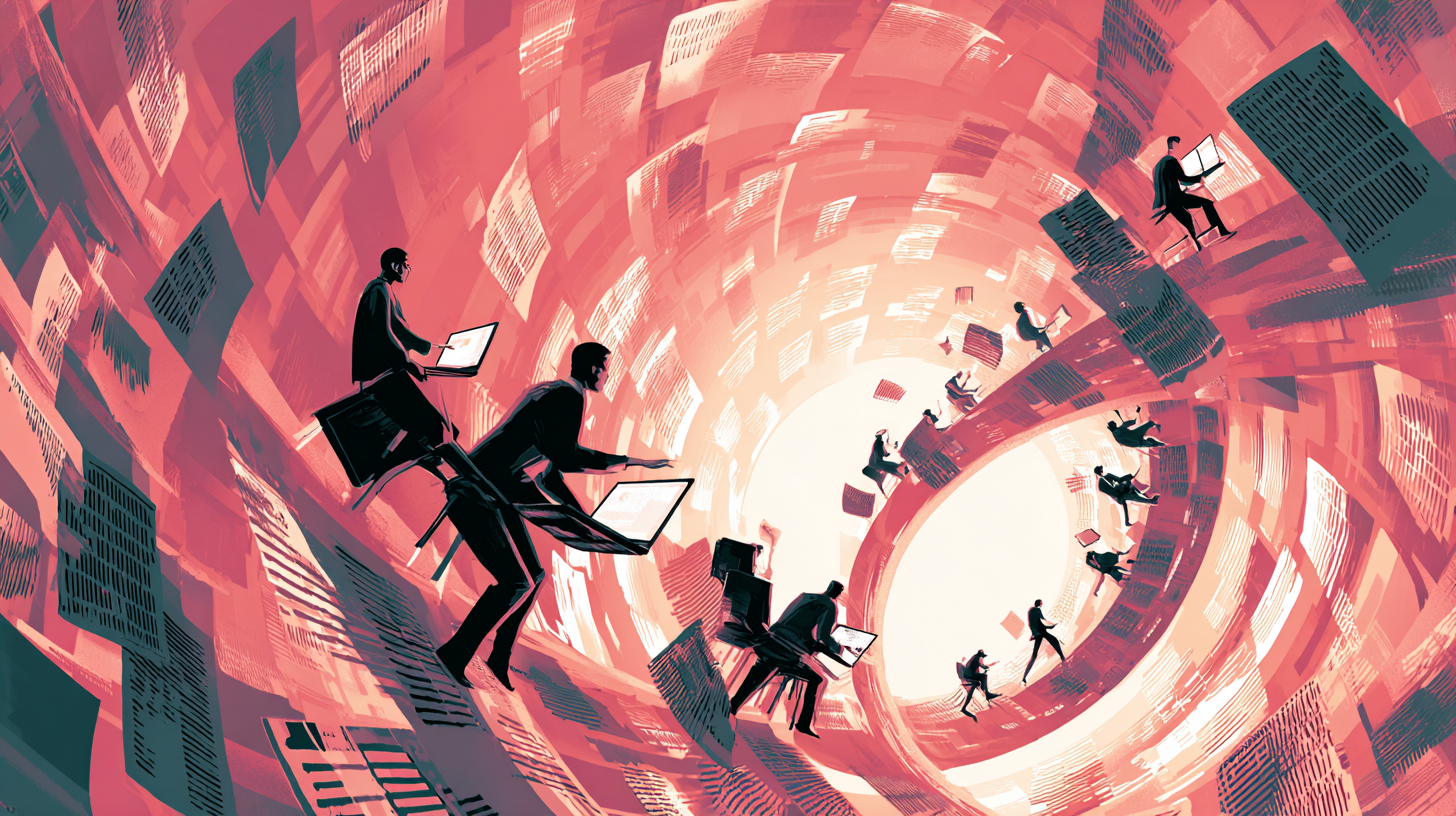
The Productivity Paradox: Why Working Smarter Still Feels Like Working More

We were promised that technology would free us. Faster computers, smarter software, collaborative platforms — each innovation arrived with the assurance that work would become lighter, quicker, and less consuming. And in a narrow sense, this is true. What once took hours can be done in minutes. Yet few of us feel liberated. Instead, the more we automate, the more our schedules fill. We are living inside the productivity paradox: working smarter but feeling busier than ever.

The Productivity Paradox: Why Working Smarter Still Feels Like Working More Read More »

u7996237426 a conceptual editorial image of a human body diss ce16308a 2a2a 436b b1dd b63d4c746884 2

The Entropic Patient: Rethinking Medicine as the Management of Disorder

Every living system is, at its core, an improbable arrangement. The human body is not a static thing but a precarious suspension between order and collapse, an island of organization in a universe that drifts inevitably toward disorder. Physicists call this entropy. Physicians confront it daily. Yet in medicine we often speak of “cures,” as though disease were a foe to be defeated outright. In truth, medicine is not a conquest of entropy but its continual negotiation.

The Entropic Patient: Rethinking Medicine as the Management of Disorder Read More »

u7996237426 a cinematic editorial illustration of modern well 7f582972 0d8e 4ba2 9da1 354cc4aa1625 3

Liturgies of the Self: How Wellness Routines Mirror Ancient Worship

At dawn, some rise not to bells but to phone alarms, their first action not prayer but hydration. A glass of water, a handful of supplements, and a five-minute meditation session on a glowing screen. The day begins with ritual. And though its symbols are stripped of incense and hymnal, its logic is uncannily familiar. Our modern pursuit of wellness often reproduces the cadence of devotion: a set of acts repeated with reverence, promising purification, transformation, even salvation.

Liturgies of the Self: How Wellness Routines Mirror Ancient Worship Read More »

u7996237426 a cinematic editorial hero image of a person bath e531dfbd 9e06 46bc b6fa c15ec735e56c 0

The Ritual of Refresh: How Online Habits Become Devotions

At dawn, before coffee or prayer, millions reach for the glow of their phones. A thumb swipes down, the screen reloads, and with it comes the possibility of revelation: a new message, a headline, a notification that insists the world has shifted overnight. This act—the compulsive refresh—resembles not just habit but ritual. It echoes the rhythm of ancient devotions, gestures repeated not because they always yield change, but because they promise the possibility of it.

The Ritual of Refresh: How Online Habits Become Devotions Read More »

u7996237426 a futuristic checkpoint glowing with scanners fac 5c06c8a1 9654 4d13 b601 0d92151f8199 1

The Biometric Bargain: Trading Faces for Access

At the airport check-in kiosk, the stadium turnstile, even the neighborhood convenience store, a simple glance at a camera is increasingly enough to pass through. The promise is frictionless access: no tickets, no cards, no passwords. But behind the convenience lies a bargain—one most of us have not consciously struck. In trading faces for entry, we are normalizing a form of surveillance that is hard to roll back.

The Biometric Bargain: Trading Faces for Access Read More »