pharmanomenon

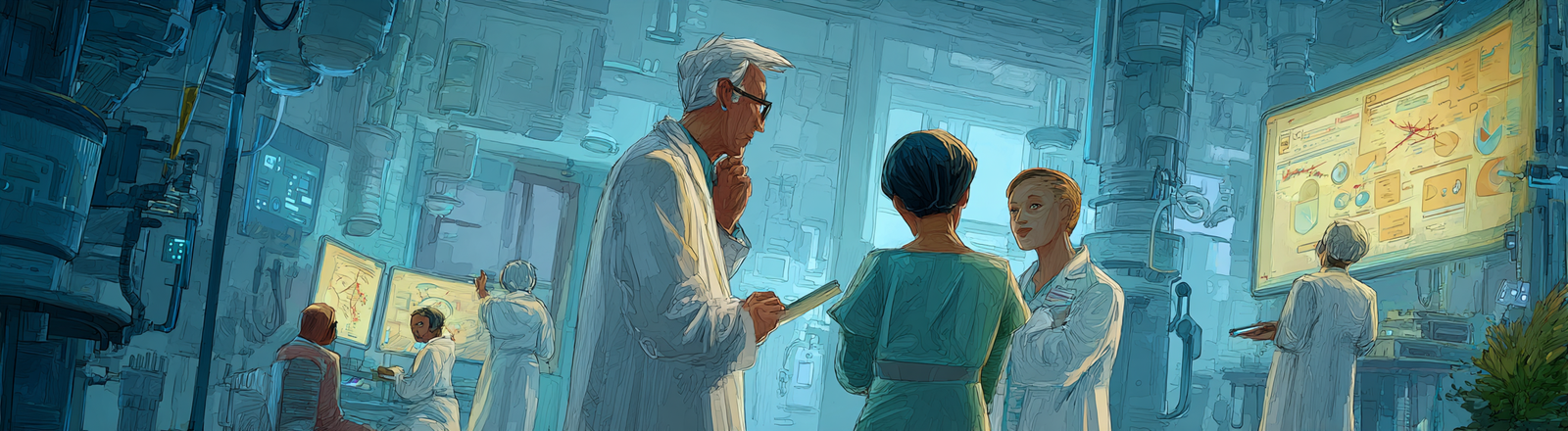
u7996237426 ultra wide cinematic illustration of predictive h 54a35854 31b8 4ca0 bfeb 6e7a50524772 3

The Ethics of Predictive Health: How Early is Too Early to Act?

When Sofia’s genetic test results arrived, they contained a number that would change her life: an 87% likelihood of developing early-onset Alzheimer’s within the next twenty years. She was 38, a mother of two, and — at that moment — entirely healthy.

Her neurologist offered no treatment plan, because there was no disease to treat. What he offered instead was a choice: join a prevention study, change lifestyle factors, begin frequent scans. The science was certain enough to warn her, but not certain enough to cure her.

The Ethics of Predictive Health: How Early is Too Early to Act? Read More »

u7996237426 modern hospital consultation room doctor and pati 8557c069 f13c 456a 8a20 c7b8c6bc67ff 0

When AI Diagnoses Before the Doctor: Who Owns the Patient’s Trust?

It starts quietly, almost invisibly: a wristwatch alert about an irregular heartbeat, a phone notification flagging suspicious moles, a pop-up in a patient portal suggesting further screening based on subtle patterns in lab results. Increasingly, AI is spotting illness before a human clinician ever reads a chart.

For public health, this promises a revolution. For the physician-patient relationship, it raises a thornier question: when a machine sees you first, whose judgment do you trust?

When AI Diagnoses Before the Doctor: Who Owns the Patient’s Trust? Read More »

u7996237426 wide view of a parliament chamber one half bathed a92adbaf 6522 44ac 8f7b bfdd1f1f7e70 1

When Democracy Defends the Undemocratic

One of democracy’s proudest boasts is its tolerance for dissent—even dissent that seeks to dismantle democracy itself. We permit unpopular speech, unpopular parties, and unpopular candidates, not because they are harmless, but because we believe a free society should not pre-emptively silence its critics.

Yet this principle contains a paradox: What happens when the tolerance of the system becomes the mechanism of its undoing?

When Democracy Defends the Undemocratic Read More »

u7996237426 modern open plan office half the desks empty sunl 71b712e8 41fc 4f67 bc86 67b7ecfd13da 3

The Four-Day Week Won’t Save Us—Unless We Change How We Work

The four-day workweek has become the workplace equivalent of a miracle diet: cut a day, keep the pay, and watch productivity soar. Trials from Iceland to the UK suggest it’s not just possible—it’s popular. But here’s the uncomfortable truth: simply swapping five days for four without rethinking how we work risks being little more than a long weekend with a productivity hangover.

The Four-Day Week Won’t Save Us—Unless We Change How We Work Read More »

u7996237426 bustling urban street lined with greenery solar p f992ccfd c716 4687 a2aa cac548176274 2

Why the Most Effective Climate Policy Might Not Mention Climate at All

If you want to get someone to eat healthier, you might not start with a lecture about cholesterol levels or long-term cardiovascular risk. You might instead talk about the taste of fresh produce, the convenience of a local market, or the money they’ll save cooking at home. Climate policy can work the same way.

In fact, some of the most impactful climate solutions might never use the word “climate” at all.

Why the Most Effective Climate Policy Might Not Mention Climate at All Read More »

u7996237426 stage with a single microphone in focus blurred c f9c3aa56 b681 49e6 847e fdd74536dc4f 1

Who Gets to Be an ‘Authentic’ Voice?

In the dusty courtyard of a Dakar neighborhood, a griot once told me, “Truth is not only in the words—it is in who speaks them.” At the time, I thought he meant that experience shapes perspective. Years later, I see the sharper edge in his observation: that the authority to speak, to be heard as authentic, is not evenly distributed. It is conferred—or withheld—by culture, politics, and power.

Who Gets to Be an ‘Authentic’ Voice? Read More »

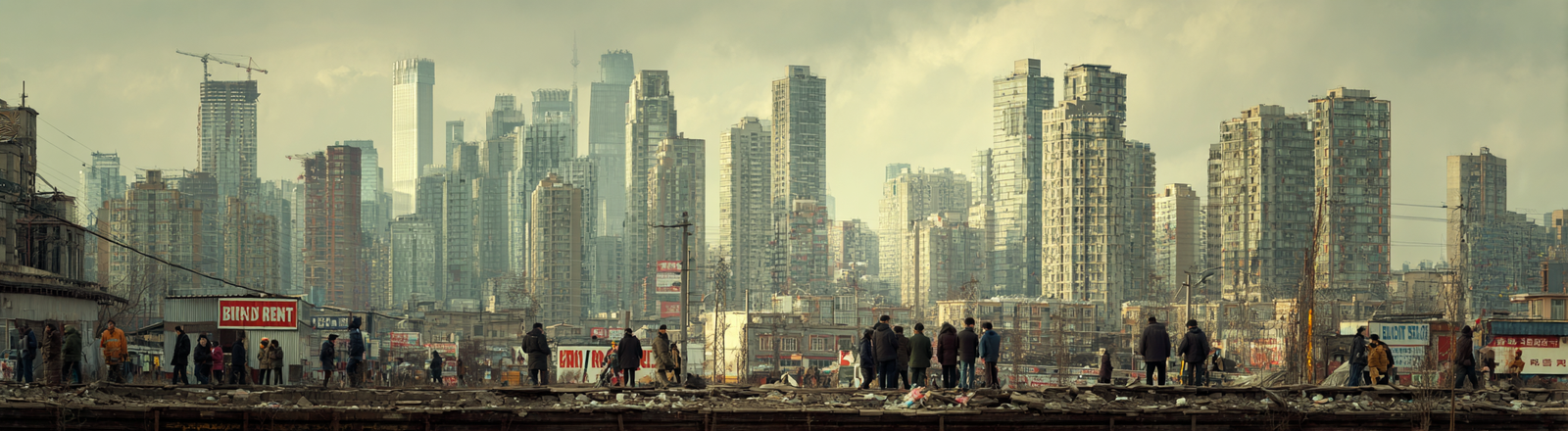
The Era of Cheap Debt is Over—Now What?

For more than a decade, the global economy ran on money so cheap it felt almost free. From the aftermath of the 2008 financial crisis through the pandemic years, near-zero interest rates and central bank asset purchases fueled an unprecedented era of borrowing. Governments financed stimulus packages without immediate pain, corporations refinanced at bargain rates, and households locked in historically low mortgages.

That era is over. And the transition will be neither smooth nor evenly felt.

The Era of Cheap Debt is Over—Now What? Read More »