pharmanomenon

u7996237426 Ultra wide cinematic image of a Caribbean financi ef32378e 71dd 45b2 9709 439c6fc99435 1

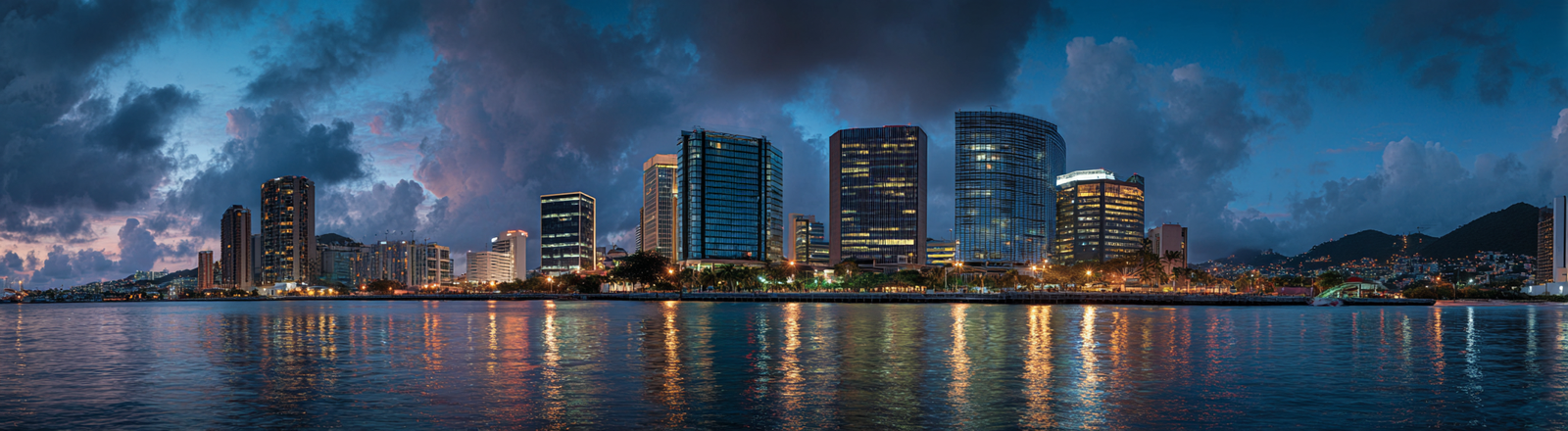
The Quiet Collapse of Offshore Banking Havens

For decades, offshore banking havens—those small jurisdictions where capital could slip in quietly and taxes barely whispered its name—were fixtures of the global financial landscape. The British Virgin Islands, the Cayman Islands, Panama, Liechtenstein: they were more than tropical postcards and mountain chalets. They were nodes in a shadow network moving trillions of dollars across borders with minimal oversight.

That network is now shrinking—not with a bang, but with the steady grind of international regulation, transparency agreements, and political pressure. The collapse is quiet, but its effects are profound.

The Quiet Collapse of Offshore Banking Havens Read More »
u7996237426 ultra wide cinematic collage blending u.s. dollar 1bf1dcdc 861c 412e a9d3 bc287bee39d7 2

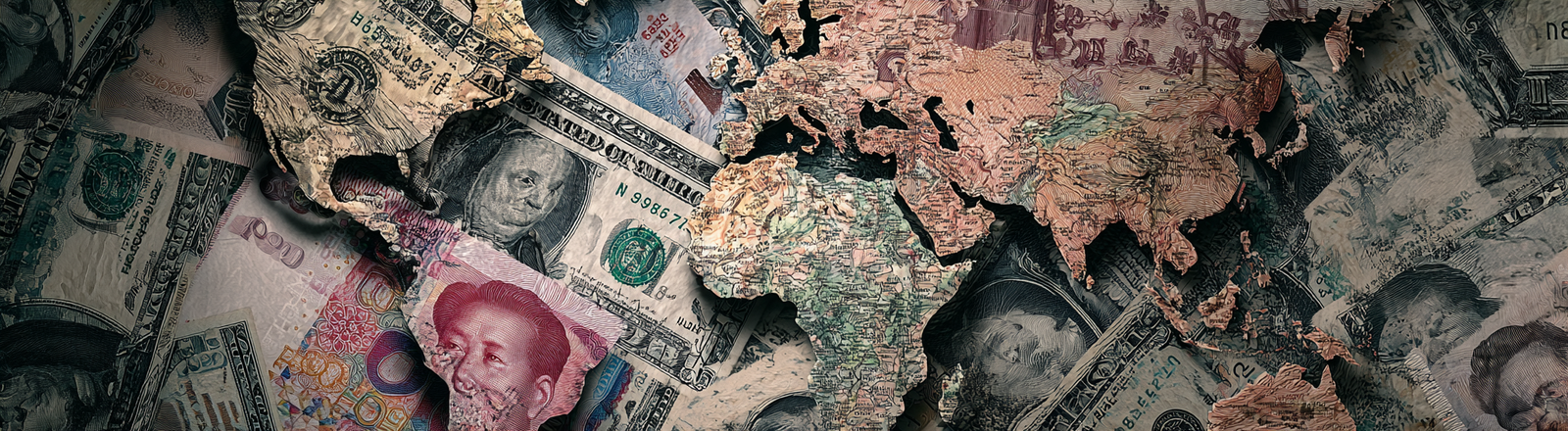
The Currency Cold War: Competing for the World’s Reserve

In the marble halls of central banks and the quiet meeting rooms of finance ministries, a high-stakes contest is unfolding. It’s not about tariffs or trade agreements. It’s about which currency the world will trust most — and, by extension, which nation will wield the greatest economic influence in the decades to come.

For nearly eight decades, the U.S. dollar has reigned as the world’s primary reserve currency, the backbone of global trade, and the benchmark for commodities from oil to gold. But in recent years, the euro and the Chinese yuan have been maneuvering for greater prominence, each seeking to loosen the dollar’s grip.

The Currency Cold War: Competing for the World’s Reserve Read More »

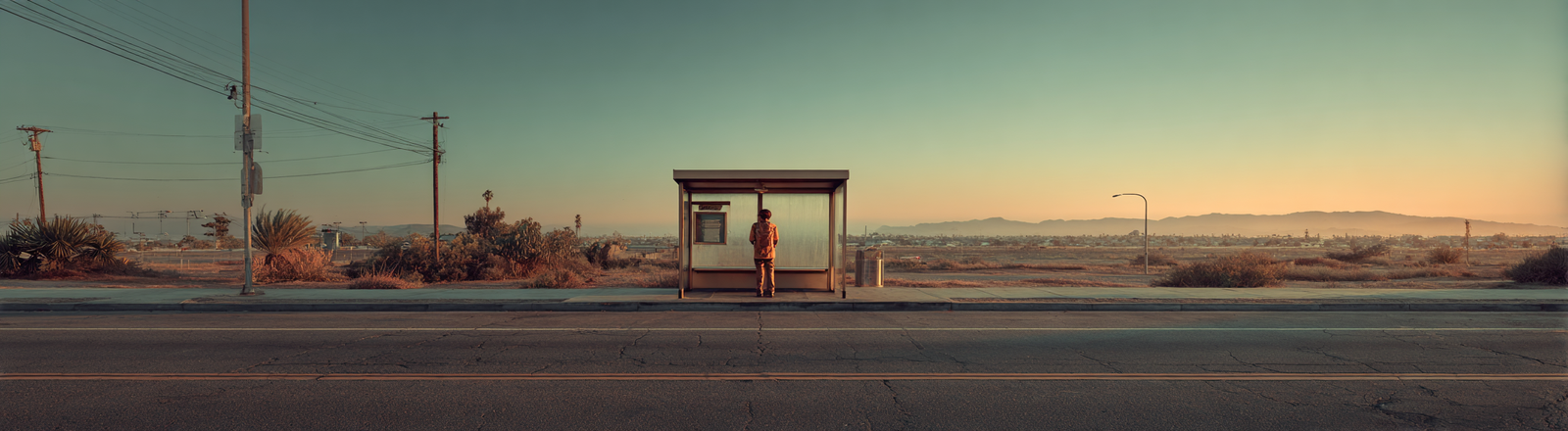
Transit Deserts: How Poor Public Transport Perpetuates Inequality

At 5:12 a.m. in Atlanta’s southwest corridor, Marlene waits for the first bus of the day. It’s scheduled for 5:20, but she’s learned not to trust the timetable — delays of 20 or 30 minutes are common. She works at a warehouse 12 miles away, a job that pays just above minimum wage. Without a car, she relies on a patchwork of buses and transfers. One missed connection can mean arriving late, losing hours, or even losing the job.

Marlene’s neighborhood is a transit desert: a place where public transportation is so limited, infrequent, or poorly connected that daily life becomes a logistical and financial strain. For millions in American cities, this is not just an inconvenience — it’s a structural barrier to opportunity.

Transit Deserts: How Poor Public Transport Perpetuates Inequality Read More »

u7996237426 ultra wide cinematic photograph of a rural landsc 9c53fa03 7e2f 4f0f befe 42496a5d954a 2

When Conservation and Livelihoods Collide

On the edge of Namibia’s Skeleton Coast, a rust-colored sunrise spills across the desert, painting the dunes in gold. Just beyond the park’s boundary, I meet Lena, a goat herder whose family has grazed this land for generations. From her yard, the horizon looks the same as it always has — except now, there’s a wire fence where there used to be open scrub.

That fence marks the start of a new conservation zone, created to protect endangered desert-adapted lions. It also cuts off one of Lena’s main grazing routes.

When Conservation and Livelihoods Collide Read More »

The Global Stage: How Culture is Packaged for International Consumption

In a converted warehouse in Dakar, dancers rehearse to the sharp rhythms of sabar drums. The choreography is tight, the costumes freshly stitched. But these are not the dances they grew up with in neighborhood gatherings or family celebrations. The steps have been trimmed, synchronized, and sequenced to fit a twenty-minute performance slot at a European arts festival.

Outside, a tour bus idles, waiting to take the troupe to the airport. In their luggage: not just fabric and drumsticks, but a version of culture tailored for export.

The Global Stage: How Culture is Packaged for International Consumption Read More »

Algorithmic Borders: The Rise of Digital Immigration Control

The first checkpoint may no longer be a uniformed officer with a passport stamp. Increasingly, it is a silent algorithm, running on a remote server, deciding — in milliseconds — whether you will be waved through, delayed, or denied.

From visa applications to airport security screening, artificial intelligence is becoming the invisible gatekeeper of human mobility. Governments frame these systems as efficiency upgrades: faster queues, fewer errors, more “objective” decisions. But efficiency can also conceal a shift in power — and accountability — from human judgment to machine logic.

Algorithmic Borders: The Rise of Digital Immigration Control Read More »

The Tyranny of the Majority in the Digital Age

In his 1835 Democracy in America, Alexis de Tocqueville warned of a danger inherent to democratic life: the “tyranny of the majority.” It was not the tyranny of kings, with armies and decrees, but of numbers — the tendency for the majority’s will to drown out, suppress, or delegitimize dissenting voices.

Nearly two centuries later, the town square has moved online. The algorithms that govern our social media feeds are, in a sense, Tocqueville’s fear made mechanical: they reward what resonates widely and punish what does not. In this arena, majority sentiment is not just powerful — it is amplified, quantified, and relentlessly reinforced.

The Tyranny of the Majority in the Digital Age Read More »

u7996237426 ultra wide cinematic image of a modern open offic caec6a14 6f27 47b8 995c 6961d840e06e 3

The Productivity Trap: Why Working Smarter Isn’t Always Working Less

A marketing manager I spoke with recently had just finished a two-hour task in thirty minutes, thanks to a new AI-driven content tool. She was proud — until her boss, seeing the speed, handed her two more projects “while she had time.”

That’s the productivity trap in action: efficiency gains that should free us end up filling the same hours — or more — with extra work.

Economists call this the “rebound effect,” and it’s been quietly shaping labor markets for over a century. The technologies that make us faster, more accurate, or more organized can paradoxically tighten the workload rather than loosen it.

The Productivity Trap: Why Working Smarter Isn’t Always Working Less Read More »

u7996237426 ultra wide cinematic scene of a sprawling wind an cd7aa5ac f22c 4ee4 94a1 fc997044660b 3

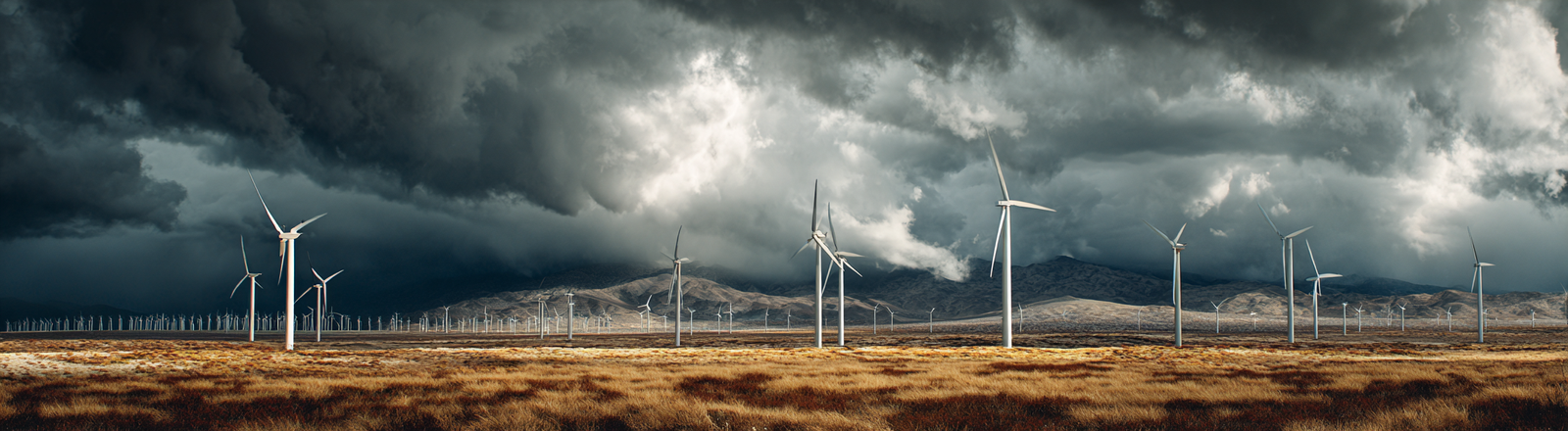
When Clean Energy Fails: Planning for the Gaps in the Green Grid

On a windless August evening in Texas, solar panels still shimmered in the heat, but the sun had dipped below the horizon. The air conditioners hummed, the grid strained, and somewhere in the control room, an operator watched the renewable supply curve flatten toward zero.

This wasn’t a failure of clean energy. It was a failure of planning for the moments when clean energy isn’t there.

When Clean Energy Fails: Planning for the Gaps in the Green Grid Read More »

u7996237426 ultra wide cinematic photograph of a massive ship d7e5e238 e37c 4194 97d8 773355db8da7 0

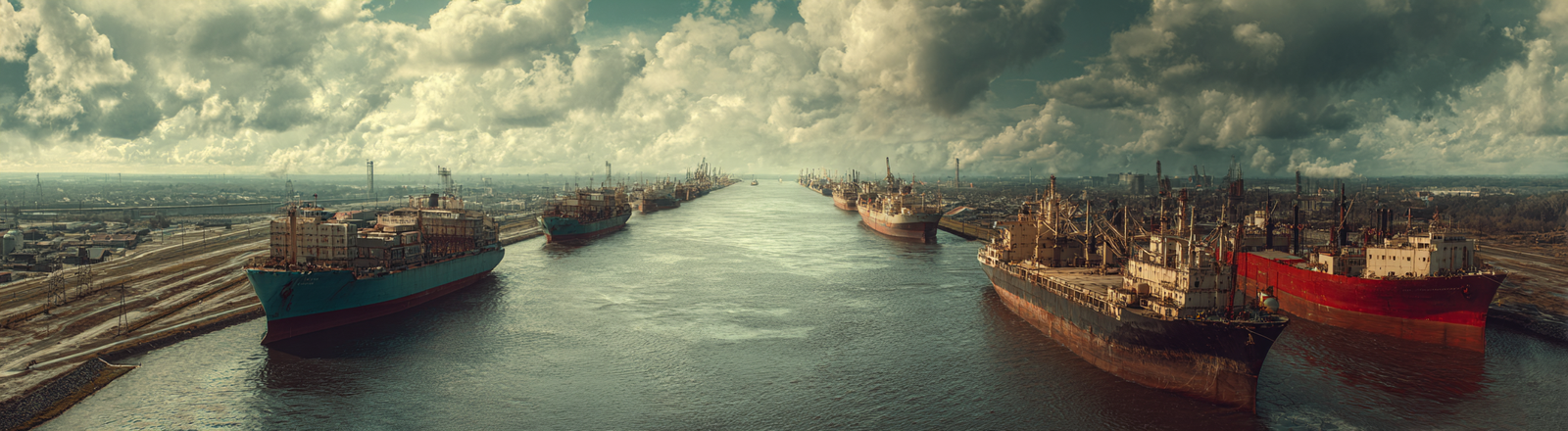
The Ghosts of Suez: What 1956 Can Teach Us About the Next Global Shipping Crisis

On an October morning in 1956, British paratroopers dropped over Egypt’s Port Said, their boots sinking into sand that had for millennia been the hinge between continents. Behind them, warships churned through the Mediterranean, their prows aimed at the narrow throat of the Suez Canal.

The canal was more than a waterway. It was a political pressure point — one that Britain and France, joined briefly by Israel, believed they could squeeze to preserve their fading imperial influence. They were wrong. The operation collapsed under international condemnation, economic disruption, and the weight of a world shifting toward a new balance of power.

The Ghosts of Suez: What 1956 Can Teach Us About the Next Global Shipping Crisis Read More »