pharmanomenon

u7996237426 a modern hospital triage room bathed in cold digi f110057c f601 400a 8187 88e3382f045d 2

Trial by Algorithm: Who Gets Care When AI Triage Sets the Rules

In hospitals around the world, triage has long been the most human of judgments. A nurse in an emergency department glances at a patient, listens to their breath, weighs symptoms against instinct and experience. Decisions are made in seconds, and those decisions often determine survival.

Now, increasingly, algorithms are stepping into that role. Machine learning models can parse vast datasets of vitals, lab values, and historical outcomes in milliseconds. Advocates argue that AI-driven triage reduces bias, speeds up intake, and frees clinicians for higher-level care. In pilot programs from London to Lagos, early results suggest improved throughput and fewer missed critical cases.

Yet moving from pilot to policy is not merely a technical step—it is an ethical threshold. The question is not simply can algorithms triage effectively? but should they be entrusted with choices that are, at their core, moral judgments?

Trial by Algorithm: Who Gets Care When AI Triage Sets the Rules Read More »

The Global South’s Hidden Vaccine Innovation Hubs

When the world thinks of vaccine breakthroughs, the mental map tends to orient northward—to gleaming laboratories in Boston, Basel, or Berlin. Yet, over the past decade, a quieter revolution has been underway in places rarely associated with cutting-edge biotechnology. From Dakar to Hyderabad, São Paulo to Cape Town, the Global South has cultivated vaccine innovation hubs that are not merely adapting imported science, but generating their own.

This shift didn’t happen by accident. Three interwoven forces have driven it: the urgent public health needs of low- and middle-income countries, the gradual decentralization of vaccine production technology, and a wave of scientists trained abroad who are returning home. Together, these trends are rewriting the geography of medical innovation.

The Global South’s Hidden Vaccine Innovation Hubs Read More »

Echoes of the Great Game in the Arctic’s New Cold War

In the nineteenth century, British and Russian envoys maneuvered across the mountains and deserts of Central Asia in a high-stakes contest for influence. Historians would later call it the Great Game—a slow, deliberate rivalry fought not only with armies but with maps, treaties, and the quiet presence of explorers who were never merely explorers.

Today, the terrain has shifted thousands of miles north, but the strategic logic feels eerily familiar. The Arctic—once a frozen backwater of geopolitics—has become a contested frontier, where climate change has unlocked both navigable waters and the mineral riches beneath. The actors are different, the tools more sophisticated, but the underlying game—competition for access, influence, and security—is playing out again.

Echoes of the Great Game in the Arctic’s New Cold War Read More »

When Climate Models and Local Knowledge Disagree

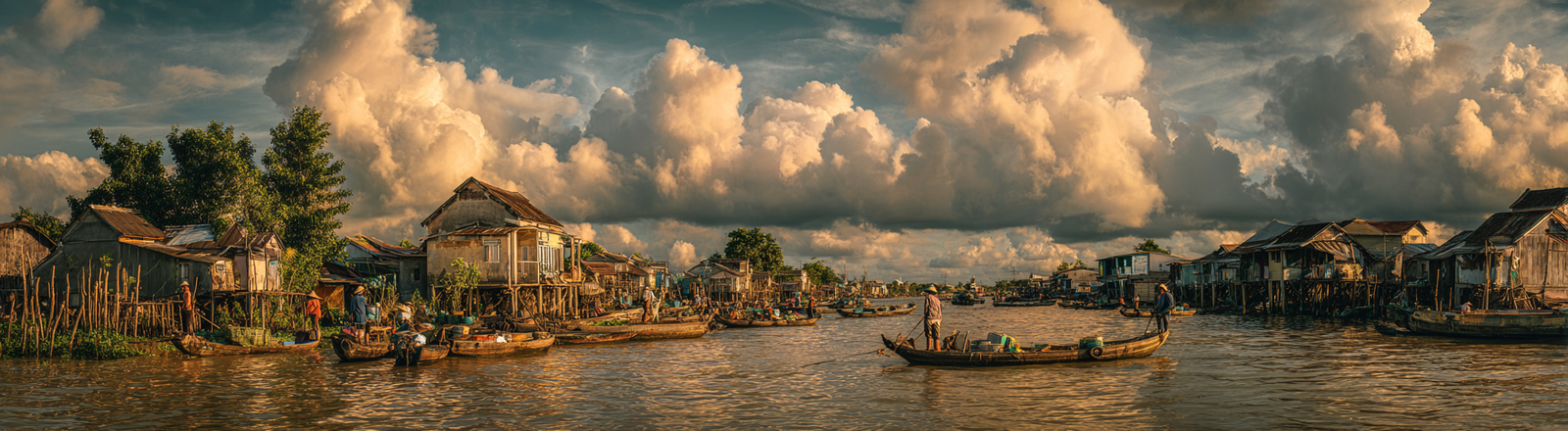
In a small fishing village on the Mekong Delta, elders will tell you that the tides are “acting strangely.” They speak of water creeping farther inland than in their parents’ time, and of storm seasons that come earlier, with winds that feel “hungrier.” These observations are rich in detail, yet when plotted against the outputs of regional climate models, the timelines don’t quite match.

This is not an isolated disconnect. Across the world, from Arctic Inuit communities to Andean farmers, local knowledge sometimes diverges from what climate scientists’ models predict. At first glance, it can feel like a contradiction—one worldview built from lived experience, the other from equations. In truth, it’s more like two overlapping photographs: each capturing part of the same scene, each slightly out of alignment.

When Climate Models and Local Knowledge Disagree Read More »

Why the Gig Economy’s Second Act Could Be Worse Than the First

When the gig economy burst onto the scene in the early 2010s, it came wrapped in the language of freedom. Be your own boss. Set your own hours. Work from anywhere. For a while, it felt like a bargain—especially for people shut out of traditional jobs or looking to make ends meet on their own terms.

But beneath the app-based convenience, the first act of the gig economy carried hidden costs: income instability, lack of benefits, algorithmic control. Many workers discovered that “flexibility” could mean unpredictable schedules and “independence” often came without a safety net.

Now, as the sector evolves, we’re entering what I call the second act—and the warning signs suggest it may be even harsher than the first.

Why the Gig Economy’s Second Act Could Be Worse Than the First Read More »

Can a Just Society Survive the Loss of Privacy?

What is justice without privacy? It is a question that, until recently, belonged to the realm of speculative philosophy. Today, it feels less like a thought experiment and more like a daily headline.

From the cameras embedded in our streets to the trackers in our phones, the capacity to monitor individuals has outpaced our moral vocabulary for discussing it. Surveillance technologies promise safety, efficiency, even fairness—but at what cost to the invisible space where individual dignity resides?

Can a Just Society Survive the Loss of Privacy? Read More »

Biometric Borders: The Future of Travel or the End of Freedom?

At a growing number of airports, your face is now your boarding pass. A quick scan, a green light, and you’re waved through—no fumbling for IDs, no manual checks. To the weary traveler, it feels like a glimpse of the future: seamless, frictionless, efficient.

But this future carries a shadow. As biometric border systems spread—using fingerprints, iris scans, and facial recognition to verify identity—the convenience they promise comes with a question few passengers stop to ask: What happens to all that data, and who controls it?

Biometric Borders: The Future of Travel or the End of Freedom? Read More »

The Global Fashion Supply Chain’s Invisible Storytellers

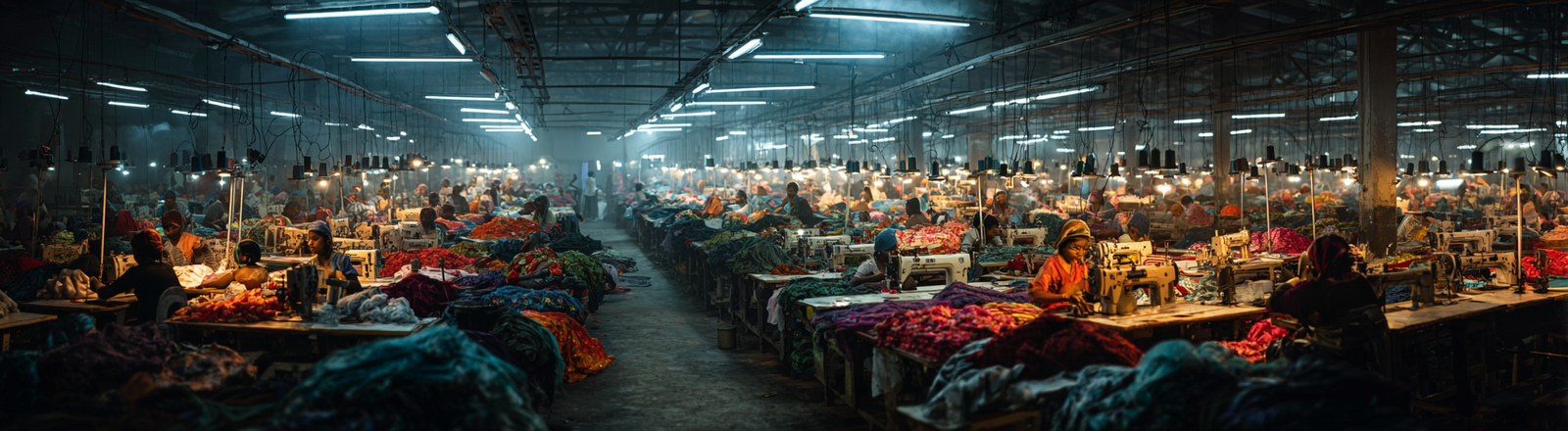
In the narrow backstreets of Dhaka, where sewing machines hum in uneven chorus, the story of global fashion is stitched together one seam at a time. But it is a story few consumers will ever hear. The garments that arrive folded in tissue and displayed under soft lights are silent about the hands that made them, the places they traveled through, and the lives that shaped them.

Yet every shirt, every dress, carries a hidden narrative—if we know how to listen.

The Global Fashion Supply Chain’s Invisible Storytellers Read More »

The Water Wars Already Happening in America’s Heartland

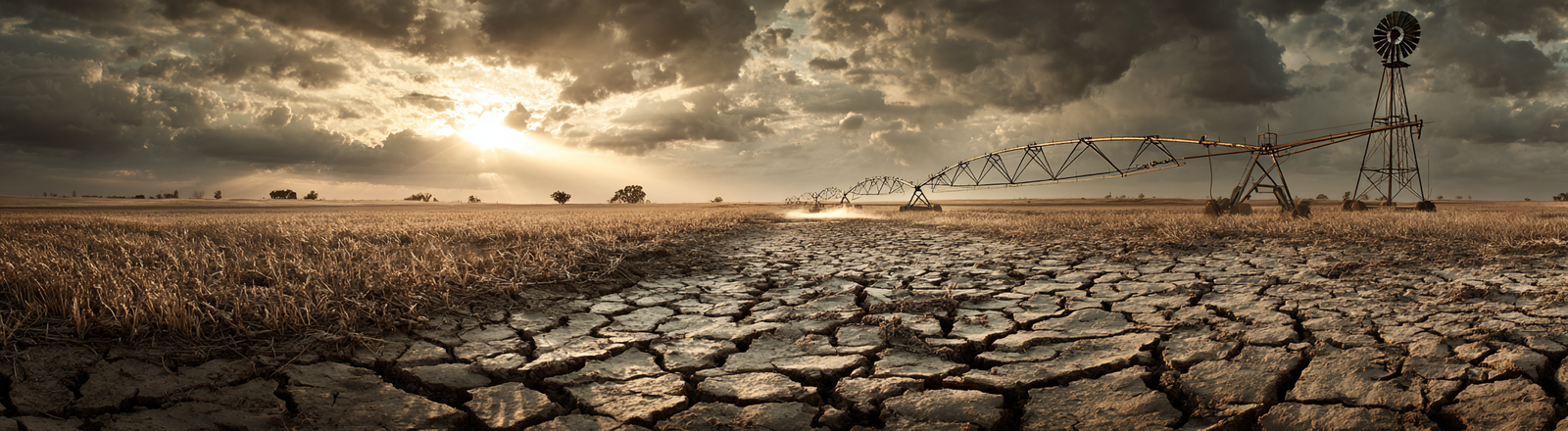
The first thing you notice driving into Garden City, Kansas, isn’t the endless horizon or the golden sweep of wheat—it’s the wells. Steel pumpjacks rise from the fields like stubborn mechanical weeds, pulling from an underground reserve that has been shrinking for decades.

This is the Ogallala Aquifer, one of the largest freshwater bodies in the world, stretching beneath eight states. It is also vanishing—drained faster than it can be replenished, a slow-motion crisis that’s already reshaping the politics, economy, and daily life of America’s agricultural heartland.

The Water Wars Already Happening in America’s Heartland Read More »

Transit Justice: The Missing Link in Climate Action

If we are serious about cutting greenhouse gas emissions, we must talk about cars. Not electric cars, not self-driving cars—cars, period. In the United States, transportation is the single largest source of carbon emissions, and the vast majority of that comes from personal vehicles.

The common climate narrative is that replacing gas-powered cars with electric ones will solve the problem. But even the cleanest EVs take up the same space, perpetuate sprawl, and demand the same resource-intensive infrastructure. Without a fundamental shift toward public transit, we risk locking ourselves into a future that is lower-carbon but still unjust, inaccessible, and unsustainable.

Transit Justice: The Missing Link in Climate Action Read More »