technology

The Global South’s Hidden Vaccine Innovation Hubs

When the world thinks of vaccine breakthroughs, the mental map tends to orient northward—to gleaming laboratories in Boston, Basel, or Berlin. Yet, over the past decade, a quieter revolution has been underway in places rarely associated with cutting-edge biotechnology. From Dakar to Hyderabad, São Paulo to Cape Town, the Global South has cultivated vaccine innovation hubs that are not merely adapting imported science, but generating their own.

This shift didn’t happen by accident. Three interwoven forces have driven it: the urgent public health needs of low- and middle-income countries, the gradual decentralization of vaccine production technology, and a wave of scientists trained abroad who are returning home. Together, these trends are rewriting the geography of medical innovation.

The Global South’s Hidden Vaccine Innovation Hubs Read More »

Why the Gig Economy’s Second Act Could Be Worse Than the First

When the gig economy burst onto the scene in the early 2010s, it came wrapped in the language of freedom. Be your own boss. Set your own hours. Work from anywhere. For a while, it felt like a bargain—especially for people shut out of traditional jobs or looking to make ends meet on their own terms.

But beneath the app-based convenience, the first act of the gig economy carried hidden costs: income instability, lack of benefits, algorithmic control. Many workers discovered that “flexibility” could mean unpredictable schedules and “independence” often came without a safety net.

Now, as the sector evolves, we’re entering what I call the second act—and the warning signs suggest it may be even harsher than the first.

Why the Gig Economy’s Second Act Could Be Worse Than the First Read More »

Can a Just Society Survive the Loss of Privacy?

What is justice without privacy? It is a question that, until recently, belonged to the realm of speculative philosophy. Today, it feels less like a thought experiment and more like a daily headline.

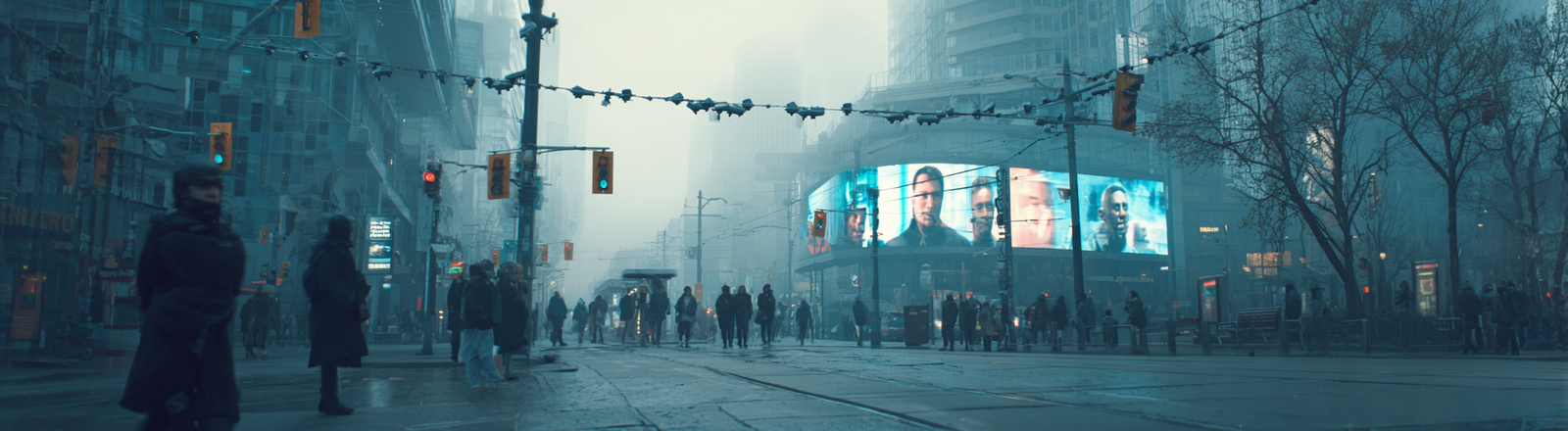
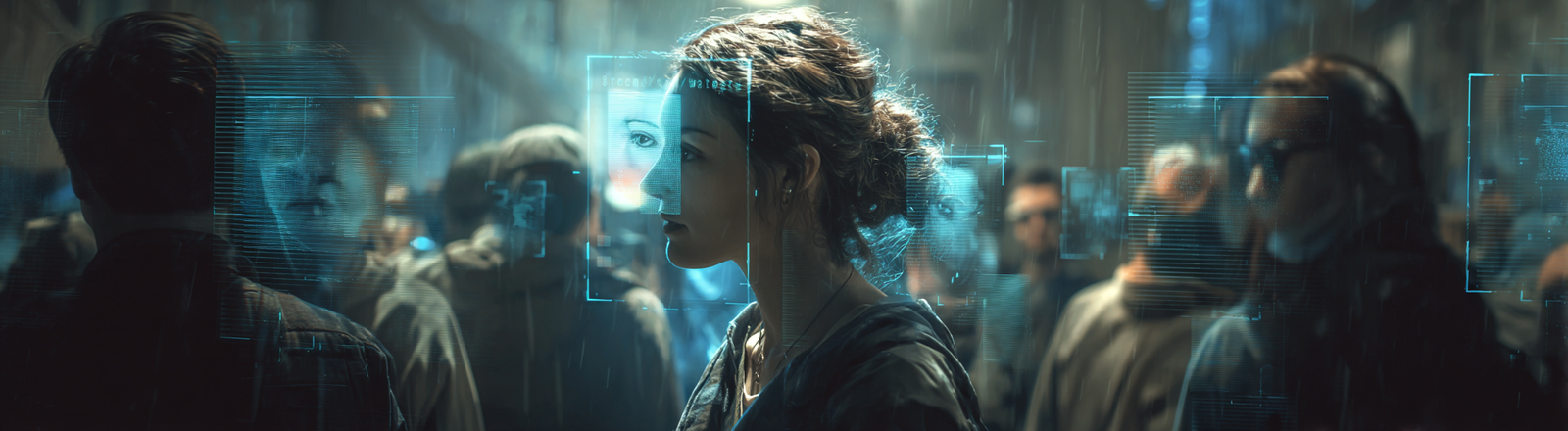
From the cameras embedded in our streets to the trackers in our phones, the capacity to monitor individuals has outpaced our moral vocabulary for discussing it. Surveillance technologies promise safety, efficiency, even fairness—but at what cost to the invisible space where individual dignity resides?

Can a Just Society Survive the Loss of Privacy? Read More »

Biometric Borders: The Future of Travel or the End of Freedom?

At a growing number of airports, your face is now your boarding pass. A quick scan, a green light, and you’re waved through—no fumbling for IDs, no manual checks. To the weary traveler, it feels like a glimpse of the future: seamless, frictionless, efficient.

But this future carries a shadow. As biometric border systems spread—using fingerprints, iris scans, and facial recognition to verify identity—the convenience they promise comes with a question few passengers stop to ask: What happens to all that data, and who controls it?

Biometric Borders: The Future of Travel or the End of Freedom? Read More »

Algorithmic Borders: The Rise of Digital Immigration Control

The first checkpoint may no longer be a uniformed officer with a passport stamp. Increasingly, it is a silent algorithm, running on a remote server, deciding — in milliseconds — whether you will be waved through, delayed, or denied.

From visa applications to airport security screening, artificial intelligence is becoming the invisible gatekeeper of human mobility. Governments frame these systems as efficiency upgrades: faster queues, fewer errors, more “objective” decisions. But efficiency can also conceal a shift in power — and accountability — from human judgment to machine logic.

Algorithmic Borders: The Rise of Digital Immigration Control Read More »

u7996237426 ultra wide cinematic image of a modern open offic caec6a14 6f27 47b8 995c 6961d840e06e 3

The Productivity Trap: Why Working Smarter Isn’t Always Working Less

A marketing manager I spoke with recently had just finished a two-hour task in thirty minutes, thanks to a new AI-driven content tool. She was proud — until her boss, seeing the speed, handed her two more projects “while she had time.”

That’s the productivity trap in action: efficiency gains that should free us end up filling the same hours — or more — with extra work.

Economists call this the “rebound effect,” and it’s been quietly shaping labor markets for over a century. The technologies that make us faster, more accurate, or more organized can paradoxically tighten the workload rather than loosen it.

The Productivity Trap: Why Working Smarter Isn’t Always Working Less Read More »

u7996237426 modern hospital consultation room doctor and pati 8557c069 f13c 456a 8a20 c7b8c6bc67ff 0

When AI Diagnoses Before the Doctor: Who Owns the Patient’s Trust?

It starts quietly, almost invisibly: a wristwatch alert about an irregular heartbeat, a phone notification flagging suspicious moles, a pop-up in a patient portal suggesting further screening based on subtle patterns in lab results. Increasingly, AI is spotting illness before a human clinician ever reads a chart.

For public health, this promises a revolution. For the physician-patient relationship, it raises a thornier question: when a machine sees you first, whose judgment do you trust?

When AI Diagnoses Before the Doctor: Who Owns the Patient’s Trust? Read More »

u7996237426 modern open plan office half the desks empty sunl 71b712e8 41fc 4f67 bc86 67b7ecfd13da 3

The Four-Day Week Won’t Save Us—Unless We Change How We Work

The four-day workweek has become the workplace equivalent of a miracle diet: cut a day, keep the pay, and watch productivity soar. Trials from Iceland to the UK suggest it’s not just possible—it’s popular. But here’s the uncomfortable truth: simply swapping five days for four without rethinking how we work risks being little more than a long weekend with a productivity hangover.

The Four-Day Week Won’t Save Us—Unless We Change How We Work Read More »