
healthcare

Transit Deserts: How Poor Public Transport Perpetuates Inequality

At 5:12 a.m. in Atlanta’s southwest corridor, Marlene waits for the first bus of the day. It’s scheduled for 5:20, but she’s learned not to trust the timetable — delays of 20 or 30 minutes are common. She works at a warehouse 12 miles away, a job that pays just above minimum wage. Without a car, she relies on a patchwork of buses and transfers. One missed connection can mean arriving late, losing hours, or even losing the job.

Marlene’s neighborhood is a transit desert: a place where public transportation is so limited, infrequent, or poorly connected that daily life becomes a logistical and financial strain. For millions in American cities, this is not just an inconvenience — it’s a structural barrier to opportunity.

Transit Deserts: How Poor Public Transport Perpetuates Inequality Read More »
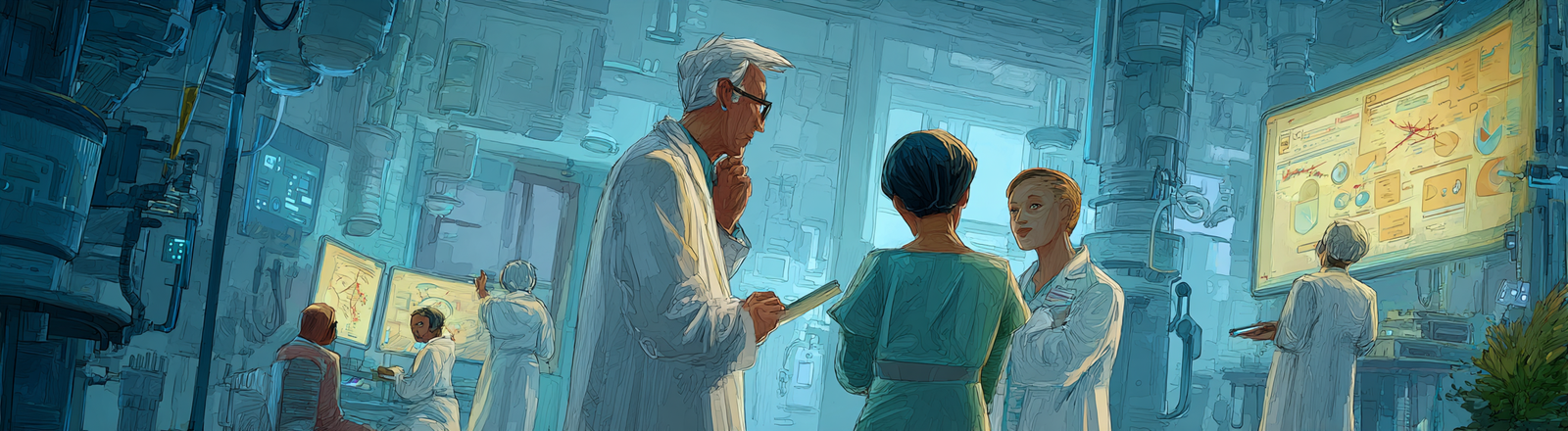
u7996237426 ultra wide cinematic illustration of predictive h 54a35854 31b8 4ca0 bfeb 6e7a50524772 3

The Ethics of Predictive Health: How Early is Too Early to Act?

When Sofia’s genetic test results arrived, they contained a number that would change her life: an 87% likelihood of developing early-onset Alzheimer’s within the next twenty years. She was 38, a mother of two, and — at that moment — entirely healthy.

Her neurologist offered no treatment plan, because there was no disease to treat. What he offered instead was a choice: join a prevention study, change lifestyle factors, begin frequent scans. The science was certain enough to warn her, but not certain enough to cure her.

The Ethics of Predictive Health: How Early is Too Early to Act? Read More »

u7996237426 modern hospital consultation room doctor and pati 8557c069 f13c 456a 8a20 c7b8c6bc67ff 0

When AI Diagnoses Before the Doctor: Who Owns the Patient’s Trust?

It starts quietly, almost invisibly: a wristwatch alert about an irregular heartbeat, a phone notification flagging suspicious moles, a pop-up in a patient portal suggesting further screening based on subtle patterns in lab results. Increasingly, AI is spotting illness before a human clinician ever reads a chart.

For public health, this promises a revolution. For the physician-patient relationship, it raises a thornier question: when a machine sees you first, whose judgment do you trust?

When AI Diagnoses Before the Doctor: Who Owns the Patient’s Trust? Read More »