environment

u7996237426 a luminous digital avatar composed of ancestral p f7744180 f19a 4c1a 8e03 31da65f2f3e7 1

Avatars with Ancestors: When Digital Selves Carry Generational Memory

In a crowded gaming café in Dakar, a teenager customizes her online avatar with the patterned cloth her grandmother once wore. Across the ocean, in a living room in Toronto, a son preserves his late father’s voice as an audio filter for his virtual persona. These are not isolated acts of creativity. They are part of a growing practice: embedding family heritage into digital identities, turning avatars into vessels of memory.

Avatars with Ancestors: When Digital Selves Carry Generational Memory Read More »
u7996237426 a vast industrial landscape of battery gigafactor 920f6c2b ebd2 4b47 ac5e 0a319e313edf 2

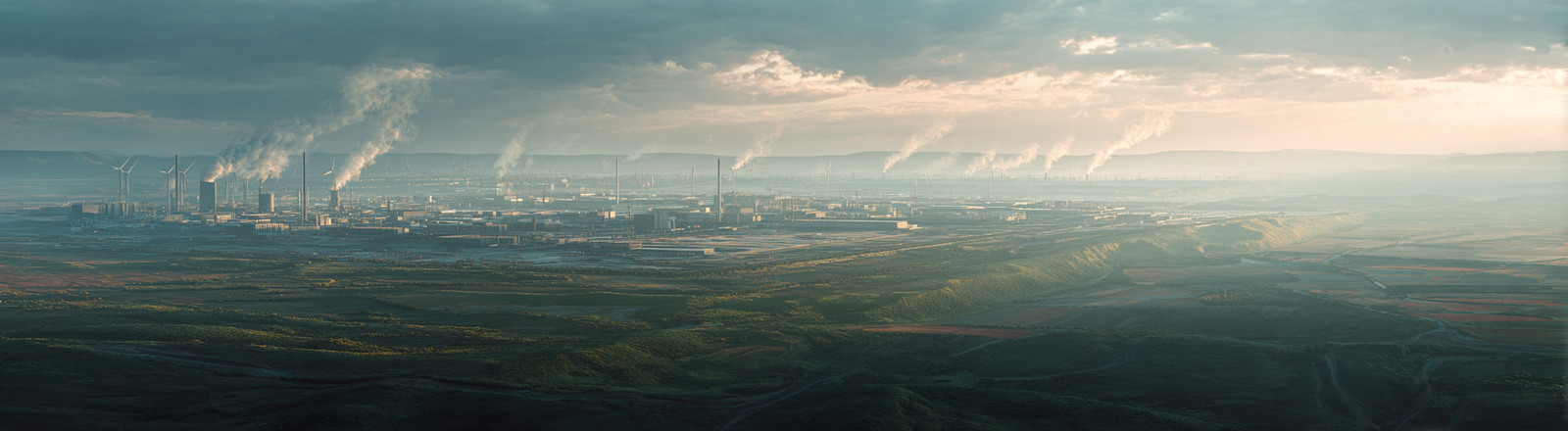
The Battery Belt: When Climate Tech Becomes Extractive Industry

In the Midwest, empty factories once built cars and appliances. Today, many of those same towns are luring battery plants and lithium processors with tax breaks and the promise of green jobs. Politicians call it the “Battery Belt”—a rebirth of industrial America, powered not by coal and steel but by electric cars and grid storage. Yet for residents, the transformation raises an uneasy question: is the clean energy revolution simply swapping one extractive industry for another?

The Battery Belt: When Climate Tech Becomes Extractive Industry Read More »

u7996237426 sweeping landscape with endless high voltage powe 4f71aa56 cb07 4474 ac0f 89078aa5555c 1

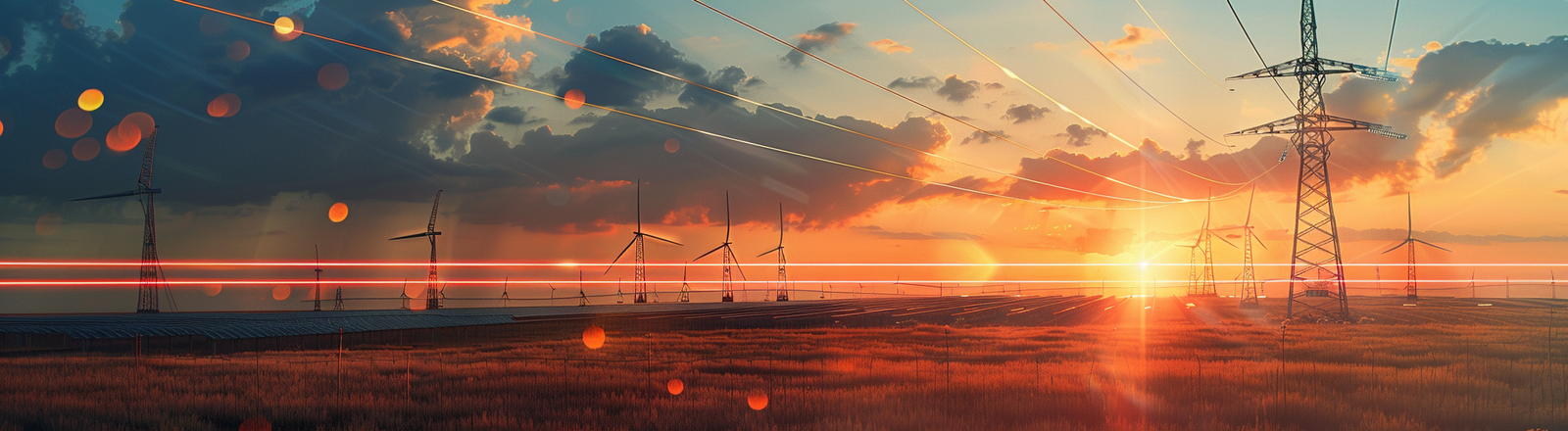
Gridlock or Green Grids? The Battle Over Transmission Lines

When politicians sign climate pledges, the targets look simple: 50 percent renewables by 2030, net-zero emissions by 2050. But goals on paper don’t power homes. Electricity does. And in between wind farms, solar arrays, and city skylines lies a far less glamorous piece of infrastructure: the wires themselves. Without new transmission lines, the clean-energy future risks becoming a mirage.

Gridlock or Green Grids? The Battle Over Transmission Lines Read More »

Echoes of the Great Game in the Arctic’s New Cold War

In the nineteenth century, British and Russian envoys maneuvered across the mountains and deserts of Central Asia in a high-stakes contest for influence. Historians would later call it the Great Game—a slow, deliberate rivalry fought not only with armies but with maps, treaties, and the quiet presence of explorers who were never merely explorers.

Today, the terrain has shifted thousands of miles north, but the strategic logic feels eerily familiar. The Arctic—once a frozen backwater of geopolitics—has become a contested frontier, where climate change has unlocked both navigable waters and the mineral riches beneath. The actors are different, the tools more sophisticated, but the underlying game—competition for access, influence, and security—is playing out again.

Echoes of the Great Game in the Arctic’s New Cold War Read More »

When Climate Models and Local Knowledge Disagree

In a small fishing village on the Mekong Delta, elders will tell you that the tides are “acting strangely.” They speak of water creeping farther inland than in their parents’ time, and of storm seasons that come earlier, with winds that feel “hungrier.” These observations are rich in detail, yet when plotted against the outputs of regional climate models, the timelines don’t quite match.

This is not an isolated disconnect. Across the world, from Arctic Inuit communities to Andean farmers, local knowledge sometimes diverges from what climate scientists’ models predict. At first glance, it can feel like a contradiction—one worldview built from lived experience, the other from equations. In truth, it’s more like two overlapping photographs: each capturing part of the same scene, each slightly out of alignment.

When Climate Models and Local Knowledge Disagree Read More »

The Global Fashion Supply Chain’s Invisible Storytellers

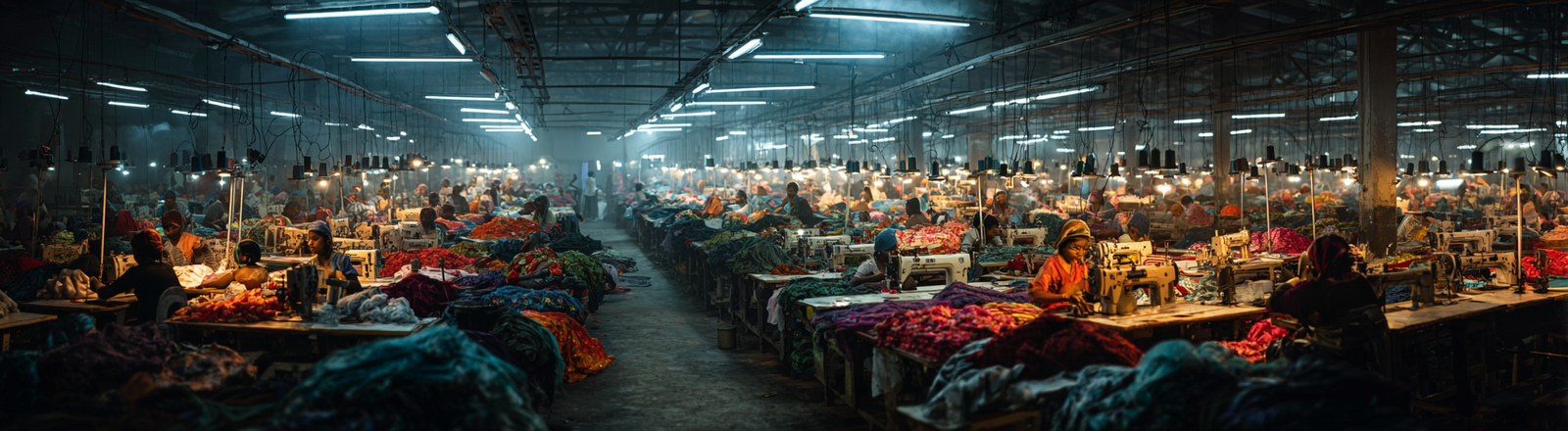
In the narrow backstreets of Dhaka, where sewing machines hum in uneven chorus, the story of global fashion is stitched together one seam at a time. But it is a story few consumers will ever hear. The garments that arrive folded in tissue and displayed under soft lights are silent about the hands that made them, the places they traveled through, and the lives that shaped them.

Yet every shirt, every dress, carries a hidden narrative—if we know how to listen.

The Global Fashion Supply Chain’s Invisible Storytellers Read More »

The Water Wars Already Happening in America’s Heartland

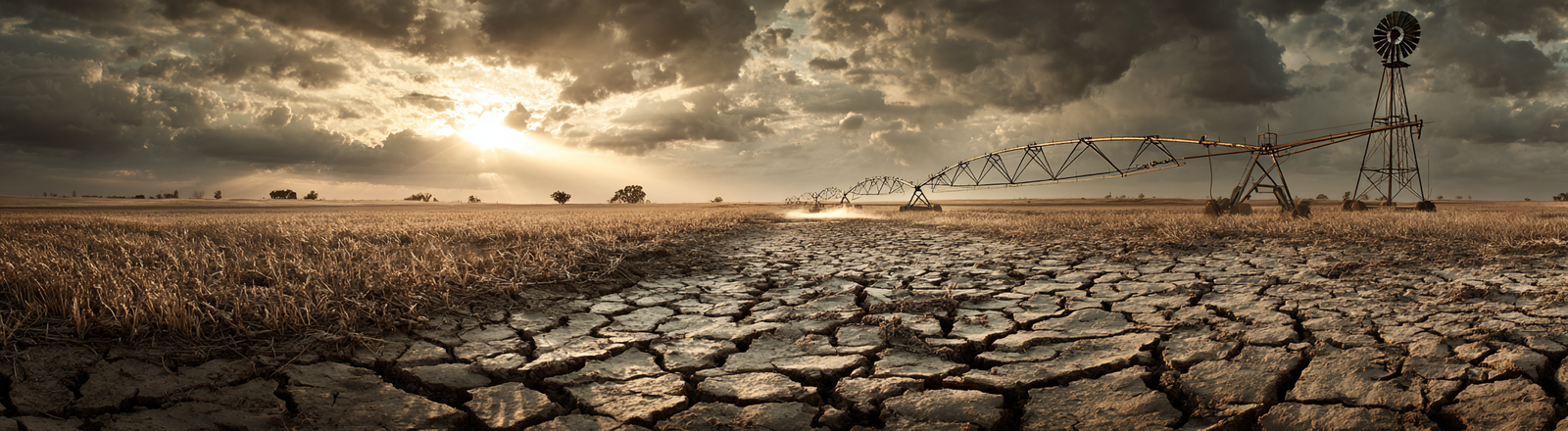
The first thing you notice driving into Garden City, Kansas, isn’t the endless horizon or the golden sweep of wheat—it’s the wells. Steel pumpjacks rise from the fields like stubborn mechanical weeds, pulling from an underground reserve that has been shrinking for decades.

This is the Ogallala Aquifer, one of the largest freshwater bodies in the world, stretching beneath eight states. It is also vanishing—drained faster than it can be replenished, a slow-motion crisis that’s already reshaping the politics, economy, and daily life of America’s agricultural heartland.

The Water Wars Already Happening in America’s Heartland Read More »

Transit Justice: The Missing Link in Climate Action

If we are serious about cutting greenhouse gas emissions, we must talk about cars. Not electric cars, not self-driving cars—cars, period. In the United States, transportation is the single largest source of carbon emissions, and the vast majority of that comes from personal vehicles.

The common climate narrative is that replacing gas-powered cars with electric ones will solve the problem. But even the cleanest EVs take up the same space, perpetuate sprawl, and demand the same resource-intensive infrastructure. Without a fundamental shift toward public transit, we risk locking ourselves into a future that is lower-carbon but still unjust, inaccessible, and unsustainable.

Transit Justice: The Missing Link in Climate Action Read More »

u7996237426 ultra wide cinematic illustration of predictive h 54a35854 31b8 4ca0 bfeb 6e7a50524772 3

The Ethics of Predictive Health: How Early is Too Early to Act?

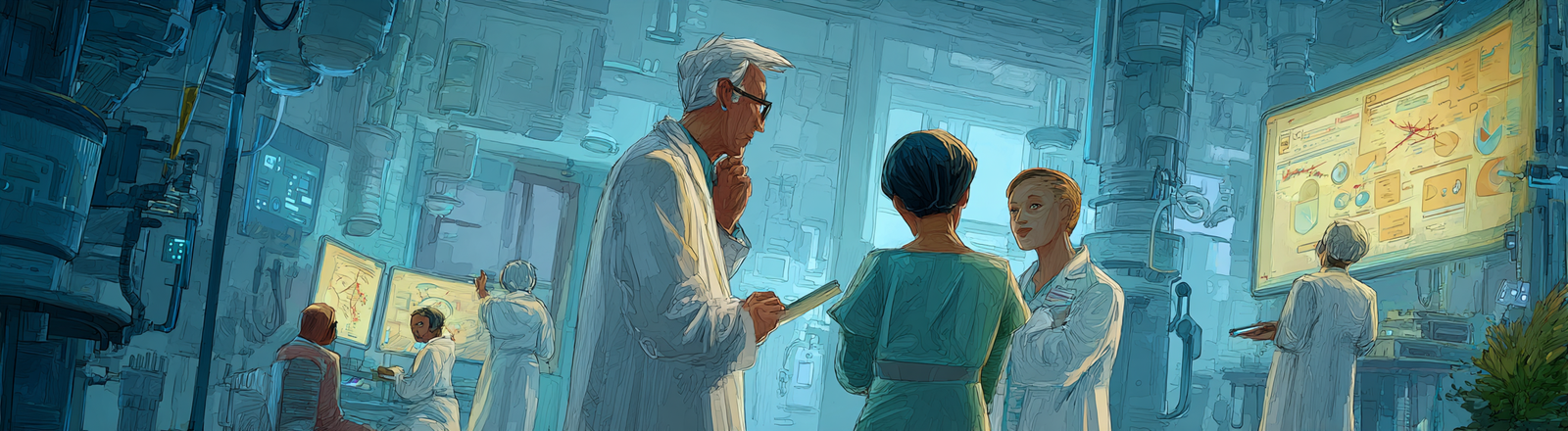
When Sofia’s genetic test results arrived, they contained a number that would change her life: an 87% likelihood of developing early-onset Alzheimer’s within the next twenty years. She was 38, a mother of two, and — at that moment — entirely healthy.

Her neurologist offered no treatment plan, because there was no disease to treat. What he offered instead was a choice: join a prevention study, change lifestyle factors, begin frequent scans. The science was certain enough to warn her, but not certain enough to cure her.

The Ethics of Predictive Health: How Early is Too Early to Act? Read More »