art

u7996237426 an office floor dissolving into glowing code desk b2060410 f2f3 4647 b020 9dad35f9d6a9 3

The Middle-Office Meltdown: How AI Is Erasing the ‘Glue Jobs’ That Hold Companies Together

When people imagine automation, they usually picture robots replacing factory workers, or algorithms taking over call centers. The popular storyline is frontline roles versus machines. But a quieter transformation is underway—one that strikes at the “middle office,” the layer of analysts, coordinators, and specialists who keep companies running behind the scenes.

These are not the jobs that grab headlines. They’re the project managers who translate strategy into deadlines. The compliance officers who ensure reports are filed correctly. The junior accountants reconciling invoices. Individually, their work rarely makes the company newsletter. Collectively, they are the connective tissue—the glue—that keeps organizations functioning. And AI is coming for them.


The Middle-Office Meltdown: How AI Is Erasing the ‘Glue Jobs’ That Hold Companies Together Read More »

When Climate Models and Local Knowledge Disagree

In a small fishing village on the Mekong Delta, elders will tell you that the tides are “acting strangely.” They speak of water creeping farther inland than in their parents’ time, and of storm seasons that come earlier, with winds that feel “hungrier.” These observations are rich in detail, yet when plotted against the outputs of regional climate models, the timelines don’t quite match.

This is not an isolated disconnect. Across the world, from Arctic Inuit communities to Andean farmers, local knowledge sometimes diverges from what climate scientists’ models predict. At first glance, it can feel like a contradiction—one worldview built from lived experience, the other from equations. In truth, it’s more like two overlapping photographs: each capturing part of the same scene, each slightly out of alignment.

When Climate Models and Local Knowledge Disagree Read More »

Biometric Borders: The Future of Travel or the End of Freedom?

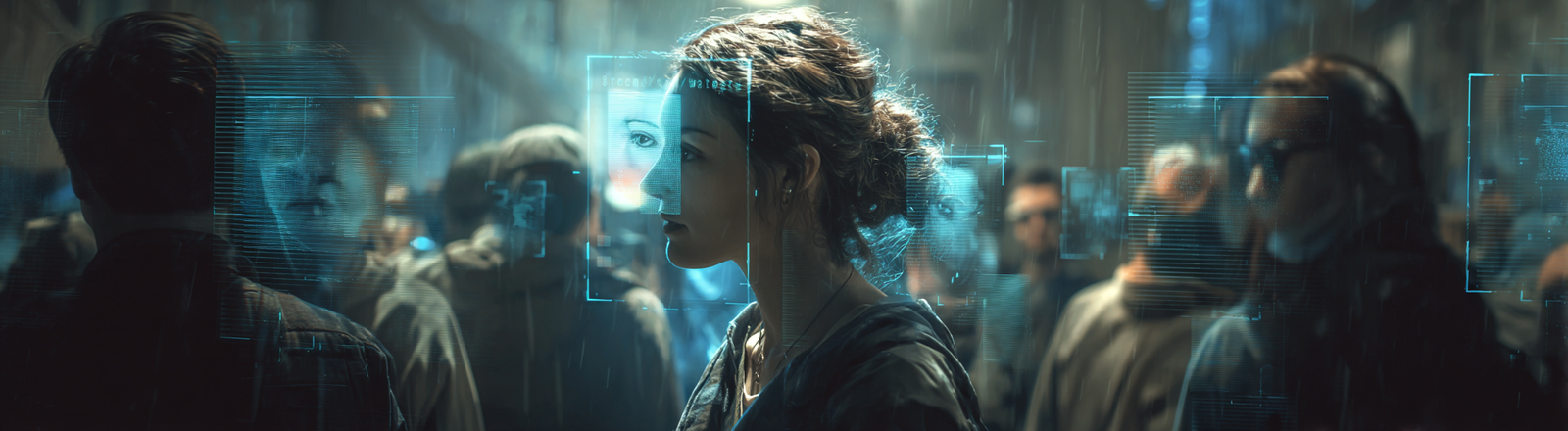
At a growing number of airports, your face is now your boarding pass. A quick scan, a green light, and you’re waved through—no fumbling for IDs, no manual checks. To the weary traveler, it feels like a glimpse of the future: seamless, frictionless, efficient.

But this future carries a shadow. As biometric border systems spread—using fingerprints, iris scans, and facial recognition to verify identity—the convenience they promise comes with a question few passengers stop to ask: What happens to all that data, and who controls it?

Biometric Borders: The Future of Travel or the End of Freedom? Read More »

The Global Fashion Supply Chain’s Invisible Storytellers

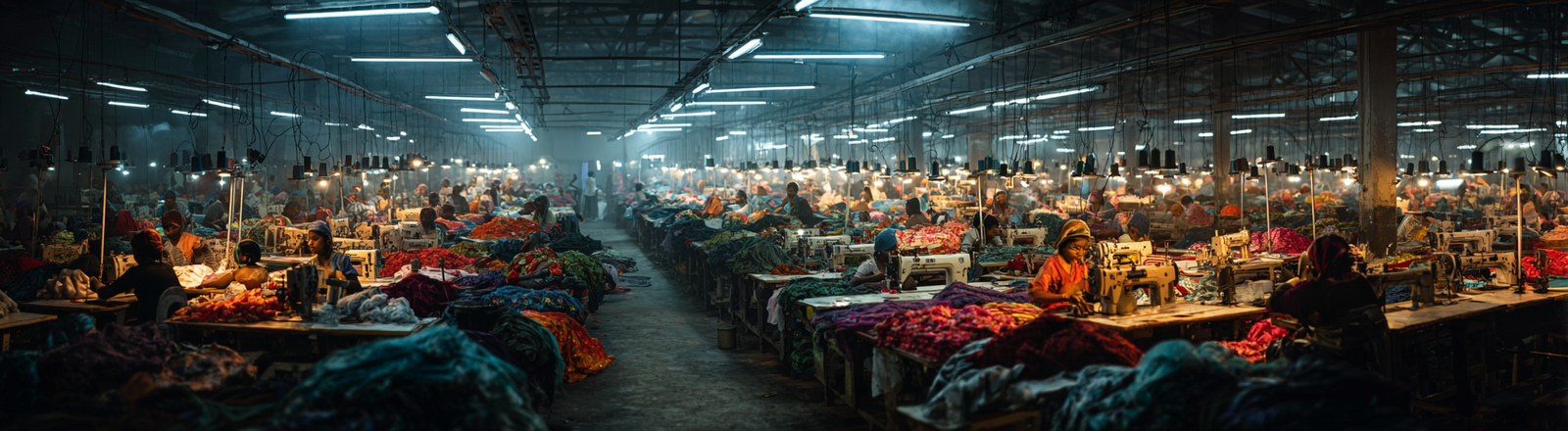
In the narrow backstreets of Dhaka, where sewing machines hum in uneven chorus, the story of global fashion is stitched together one seam at a time. But it is a story few consumers will ever hear. The garments that arrive folded in tissue and displayed under soft lights are silent about the hands that made them, the places they traveled through, and the lives that shaped them.

Yet every shirt, every dress, carries a hidden narrative—if we know how to listen.

The Global Fashion Supply Chain’s Invisible Storytellers Read More »

u7996237426 ultra wide cinematic photograph of a rural landsc 9c53fa03 7e2f 4f0f befe 42496a5d954a 2

When Conservation and Livelihoods Collide

On the edge of Namibia’s Skeleton Coast, a rust-colored sunrise spills across the desert, painting the dunes in gold. Just beyond the park’s boundary, I meet Lena, a goat herder whose family has grazed this land for generations. From her yard, the horizon looks the same as it always has — except now, there’s a wire fence where there used to be open scrub.

That fence marks the start of a new conservation zone, created to protect endangered desert-adapted lions. It also cuts off one of Lena’s main grazing routes.

When Conservation and Livelihoods Collide Read More »

The Global Stage: How Culture is Packaged for International Consumption

In a converted warehouse in Dakar, dancers rehearse to the sharp rhythms of sabar drums. The choreography is tight, the costumes freshly stitched. But these are not the dances they grew up with in neighborhood gatherings or family celebrations. The steps have been trimmed, synchronized, and sequenced to fit a twenty-minute performance slot at a European arts festival.

Outside, a tour bus idles, waiting to take the troupe to the airport. In their luggage: not just fabric and drumsticks, but a version of culture tailored for export.

The Global Stage: How Culture is Packaged for International Consumption Read More »

Algorithmic Borders: The Rise of Digital Immigration Control

The first checkpoint may no longer be a uniformed officer with a passport stamp. Increasingly, it is a silent algorithm, running on a remote server, deciding — in milliseconds — whether you will be waved through, delayed, or denied.

From visa applications to airport security screening, artificial intelligence is becoming the invisible gatekeeper of human mobility. Governments frame these systems as efficiency upgrades: faster queues, fewer errors, more “objective” decisions. But efficiency can also conceal a shift in power — and accountability — from human judgment to machine logic.

Algorithmic Borders: The Rise of Digital Immigration Control Read More »

u7996237426 ultra wide cinematic image of a modern open offic caec6a14 6f27 47b8 995c 6961d840e06e 3

The Productivity Trap: Why Working Smarter Isn’t Always Working Less

A marketing manager I spoke with recently had just finished a two-hour task in thirty minutes, thanks to a new AI-driven content tool. She was proud — until her boss, seeing the speed, handed her two more projects “while she had time.”

That’s the productivity trap in action: efficiency gains that should free us end up filling the same hours — or more — with extra work.

Economists call this the “rebound effect,” and it’s been quietly shaping labor markets for over a century. The technologies that make us faster, more accurate, or more organized can paradoxically tighten the workload rather than loosen it.

The Productivity Trap: Why Working Smarter Isn’t Always Working Less Read More »

u7996237426 ultra wide cinematic scene of a sprawling wind an cd7aa5ac f22c 4ee4 94a1 fc997044660b 3

When Clean Energy Fails: Planning for the Gaps in the Green Grid

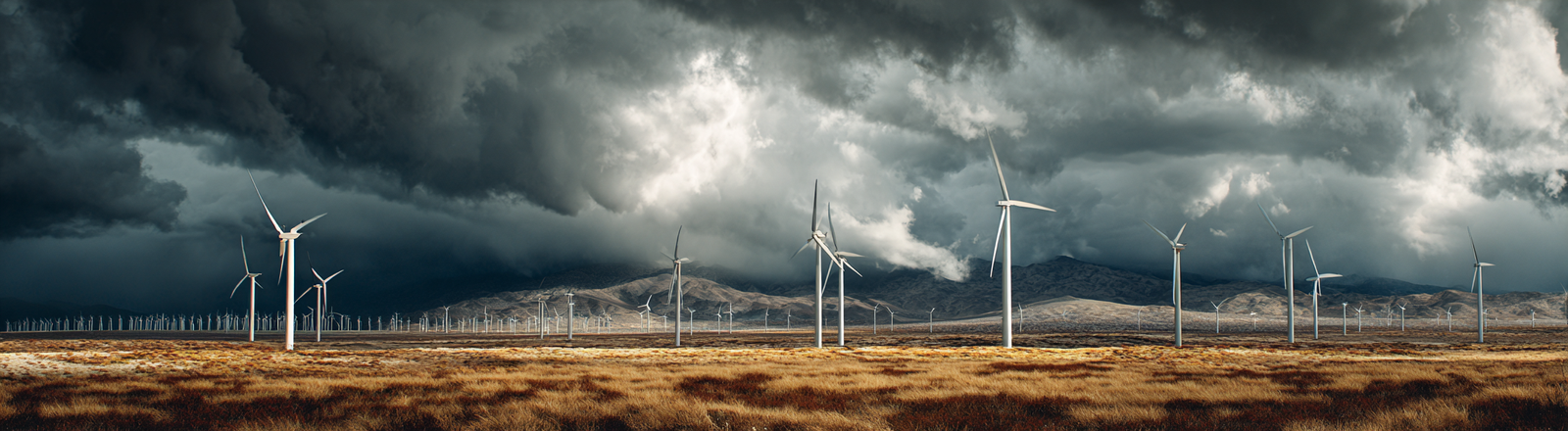
On a windless August evening in Texas, solar panels still shimmered in the heat, but the sun had dipped below the horizon. The air conditioners hummed, the grid strained, and somewhere in the control room, an operator watched the renewable supply curve flatten toward zero.

This wasn’t a failure of clean energy. It was a failure of planning for the moments when clean energy isn’t there.

When Clean Energy Fails: Planning for the Gaps in the Green Grid Read More »

u7996237426 modern hospital consultation room doctor and pati 8557c069 f13c 456a 8a20 c7b8c6bc67ff 0

When AI Diagnoses Before the Doctor: Who Owns the Patient’s Trust?

It starts quietly, almost invisibly: a wristwatch alert about an irregular heartbeat, a phone notification flagging suspicious moles, a pop-up in a patient portal suggesting further screening based on subtle patterns in lab results. Increasingly, AI is spotting illness before a human clinician ever reads a chart.

For public health, this promises a revolution. For the physician-patient relationship, it raises a thornier question: when a machine sees you first, whose judgment do you trust?

When AI Diagnoses Before the Doctor: Who Owns the Patient’s Trust? Read More »