

The Algorithm Will See You Now
When your medical chart is less a record of care and more a prophecy written in algorithms. Read the full essay →
The Algorithm Will See You Now Read More »
When your medical chart is less a record of care and more a prophecy written in algorithms. Read the full essay →
The Algorithm Will See You Now Read More »

In medieval Europe, a crown conferred legitimacy. In the twentieth century, a suit and title sufficed. Today, authority might wear cat ears, wield a ring light, or speak through a pseudonym known only to Discord followers. The age of digital personas has scrambled the symbols of legitimacy, forcing us to ask: when an avatar speaks, who—or what—commands our trust?
Avatars of Authority: How Online Identities Recode Power Read More »

A hospice nurse holds a patient’s hand. A therapist notices the tremor in a voice. A teacher senses the quiet isolation of a child in the back row. These are moments of care that hinge not on information but on empathy. Now, artificial intelligence promises to replicate such gestures. Chatbots console the lonely, robotic pets soothe dementia patients, and customer service systems simulate concern. But what happens when empathy is no longer felt but performed by machines?
The Empathy Machine: Can AI Ever Truly Feel Our Pain? Read More »
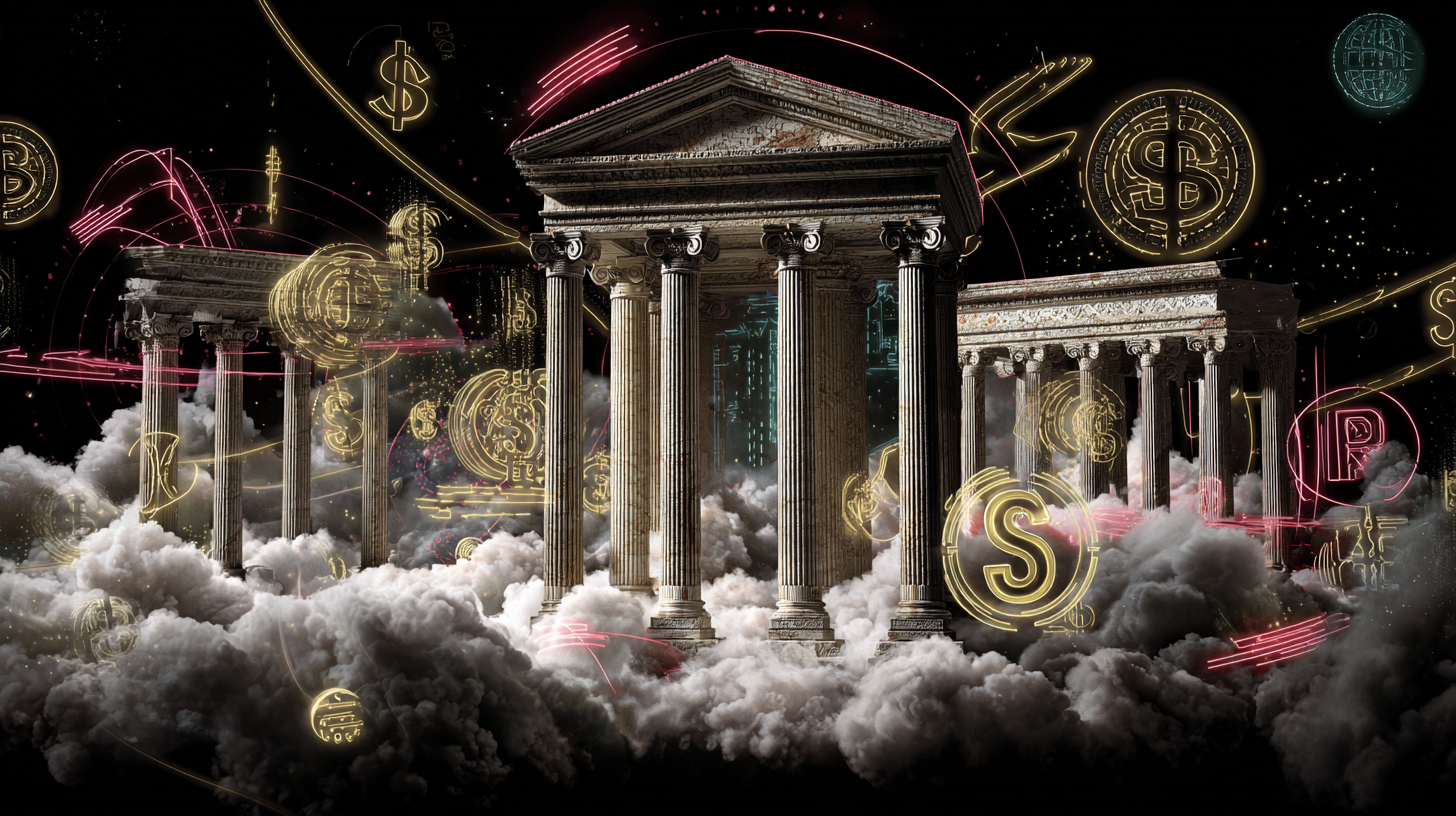
For centuries, money has been the clearest expression of state sovereignty. A national currency was more than a medium of exchange; it was a flag in every pocket, a daily reminder that governments controlled the foundations of economic life. Today, that monopoly is under threat. Stablecoins — digital tokens pegged to traditional currencies but issued by private actors — are forcing central banks into an unfamiliar contest: competing not only with each other, but with money that exists outside their walls.
Currency in the Cloud: When Central Banks Compete With Stablecoins Read More »
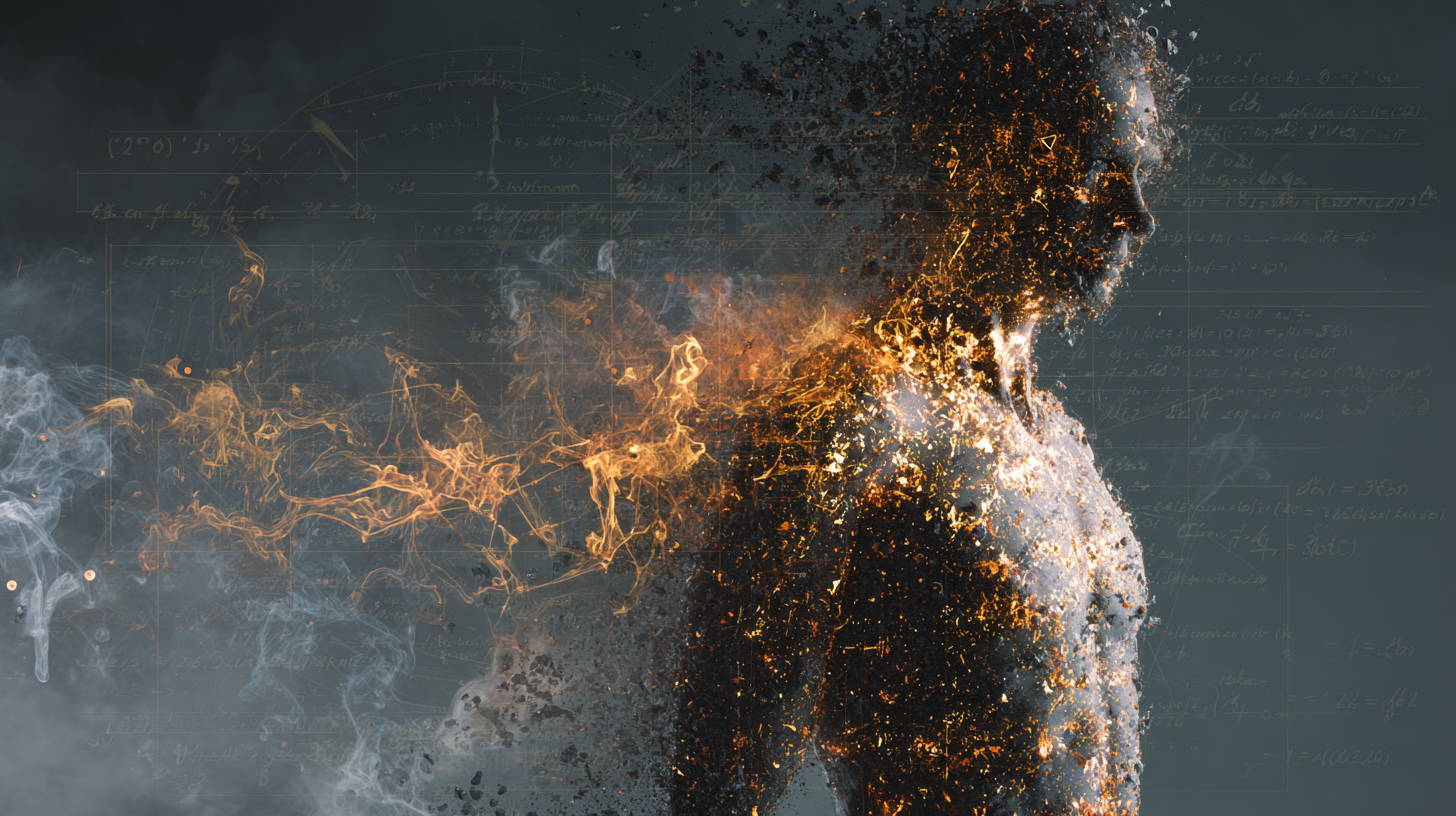
Every living system is, at its core, an improbable arrangement. The human body is not a static thing but a precarious suspension between order and collapse, an island of organization in a universe that drifts inevitably toward disorder. Physicists call this entropy. Physicians confront it daily. Yet in medicine we often speak of “cures,” as though disease were a foe to be defeated outright. In truth, medicine is not a conquest of entropy but its continual negotiation.
The Entropic Patient: Rethinking Medicine as the Management of Disorder Read More »

At dawn, before coffee or prayer, millions reach for the glow of their phones. A thumb swipes down, the screen reloads, and with it comes the possibility of revelation: a new message, a headline, a notification that insists the world has shifted overnight. This act—the compulsive refresh—resembles not just habit but ritual. It echoes the rhythm of ancient devotions, gestures repeated not because they always yield change, but because they promise the possibility of it.
The Ritual of Refresh: How Online Habits Become Devotions Read More »

In democratic theory, much has been written about entry: the duties we assume when we join communities, institutions, or states. Far less has been said about exit. Yet exits are constant—when a citizen withdraws from politics, when a professional retires, when a worker disengages from the labor market, when a community member “logs off” from the digital public square. The question lingers: what, if anything, do we owe society in the act of leaving?
The Ethics of Exit: Do We Owe Society a Farewell? Read More »

For decades, the rhythm of working life followed a familiar beat: start at the bottom, prove yourself, climb a ladder rung by rung. Titles changed, salaries rose, and ambition was rewarded with stability. But look around today’s workplace—whether a gig platform, a start-up, or even a corporate office—and you’ll find fewer ladders and more flat floors. Promotions haven’t just slowed; in many places, they’ve quietly vanished.
The Promotion Paradox: Why Career Ladders Are Disappearing Read More »

In medieval cathedrals, pilgrims would travel for weeks to glimpse a bone fragment, a torn garment, or a vial of dust said to have touched the divine. Relics anchored belief not by their material worth but by the aura of contact they preserved—an index of proximity to something transcendent. Today, in the labyrinthine cathedrals of the internet, a new form of relic circulates. Screenshots, blockchain tokens, archived memes: artifacts of digital culture imbued with authority and, at times, sanctity.
Digital Relics: When Code Becomes Sacred Artifact Read More »

In a courtroom, testimony is not just information. It is a performance of credibility. A witness swears an oath, recounts events, faces cross-examination. The jury not only hears their words but weighs their character, gestures, tone. The law presumes that truth emerges from this human exchange. But what happens when the “witness” is a machine—an algorithm reconstructing a crime scene, a smart doorbell recording a suspect’s arrival, or an AI system generating transcripts from noisy audio? Can nonhumans testify?
The Robot Witness: Can Nonhumans Testify to Truth? Read More »