Identity & Culture

Lyrical and critical explorations of culture, identity, justice, and memory in a changing world.

u7996237426 a lyrical editorial image of families in differen 76ece567 1835 46ff 9968 baecb9d777d6 0

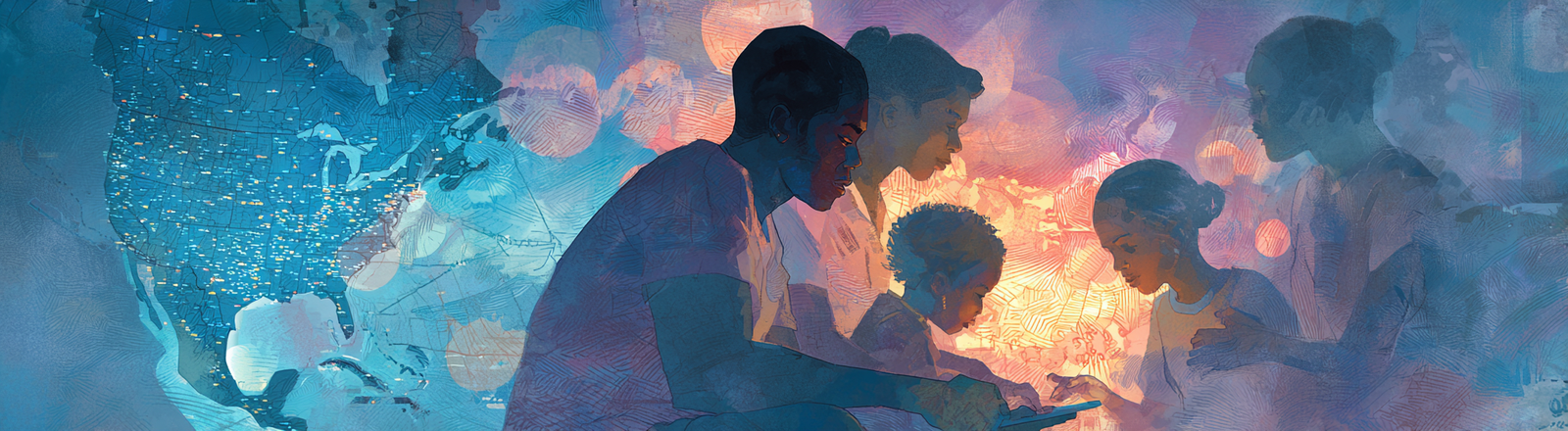
Diaspora Streaming: How Netflix Becomes a Homeland

On a Friday night in Paris, a Senegalese family gathers around their television to watch a Nollywood drama. In Toronto, Somali teenagers swap memes from a Turkish historical epic. In São Paulo, a second-generation Korean immigrant queues up a K-drama with Portuguese subtitles. None of these households share a passport, but all share something harder to legislate: a sense of belonging forged through story. In the age of streaming, diaspora communities are finding new homelands—not in territory, but in catalogues.

Diaspora Streaming: How Netflix Becomes a Homeland Read More »
u7996237426 vivid collage of multicultural urban life street ffc0fcde 7203 4965 900d bf596d94cb14 2

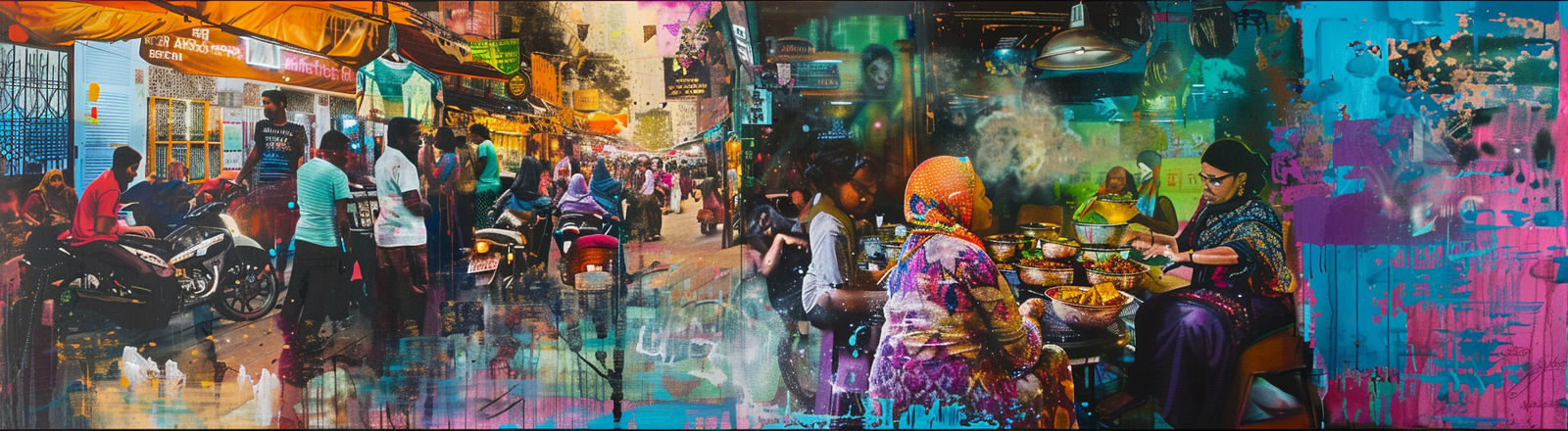
Diasporic Futures: How Migrant Communities Reimagine Belonging

On a Sunday in Queens, a Senegalese grandmother ladles thieboudienne onto plates for a dozen relatives and neighbors. Across the Atlantic, in Paris, a Malian hip-hop collective remixes Bambara proverbs over trap beats. In Doha, a Filipino nurse livestreams karaoke night for friends in Manila. Each moment is small, ordinary. Yet together, they form the architecture of belonging—rituals that stitch community across oceans and generations

Diasporic Futures: How Migrant Communities Reimagine Belonging Read More »

u7996237426 a vast digital library fading into mist shelves o 0ec8baf4 2de9 4a91 89f0 7202877fc2ed 1

The Right to Be Forgotten vs. the Duty to Remember

Europe’s General Data Protection Regulation enshrined an unusual concept into law: the “right to be forgotten.” Citizens may petition for certain records—search results, past infractions, even images—to be removed from digital visibility. In an age where the internet never forgets, the promise of erasure feels like a form of justice.

But every act of forgetting is also an act of memory management. To delete is not merely to protect; it is to reshape the collective archive. And here lies the tension: when does the individual’s right to obscurity conflict with society’s duty to remember?

The Right to Be Forgotten vs. the Duty to Remember Read More »

u7996237426 a ceremonial return of an artifact in an african 30c0aec7 05ea 424a ab50 e51ef6c219fe 2

After Repatriation: What Returns Mean for Living Communities

In a small courtyard in Benin City, Nigeria, the air thick with incense and drumbeats, a bronze head was lowered onto a woven mat. It had traveled for more than a century—from palace to colonial ship, from European museum to climate-controlled gallery—and now, finally, back home. The gathered crowd did not whisper the language of “cultural property” or “collection management.” They spoke instead of ancestors, of repair, of voices long silenced.

Repatriation is often framed in the language of restitution: the object as evidence of historical theft, the return as moral correction. Yet in the lives of communities, return is not only an act of closing the past. It is also an opening—a re-entry of ritual power, of livelihoods, of contested authority.

After Repatriation: What Returns Mean for Living Communities Read More »

Can a Just Society Survive the Loss of Privacy?

What is justice without privacy? It is a question that, until recently, belonged to the realm of speculative philosophy. Today, it feels less like a thought experiment and more like a daily headline.

From the cameras embedded in our streets to the trackers in our phones, the capacity to monitor individuals has outpaced our moral vocabulary for discussing it. Surveillance technologies promise safety, efficiency, even fairness—but at what cost to the invisible space where individual dignity resides?

Can a Just Society Survive the Loss of Privacy? Read More »

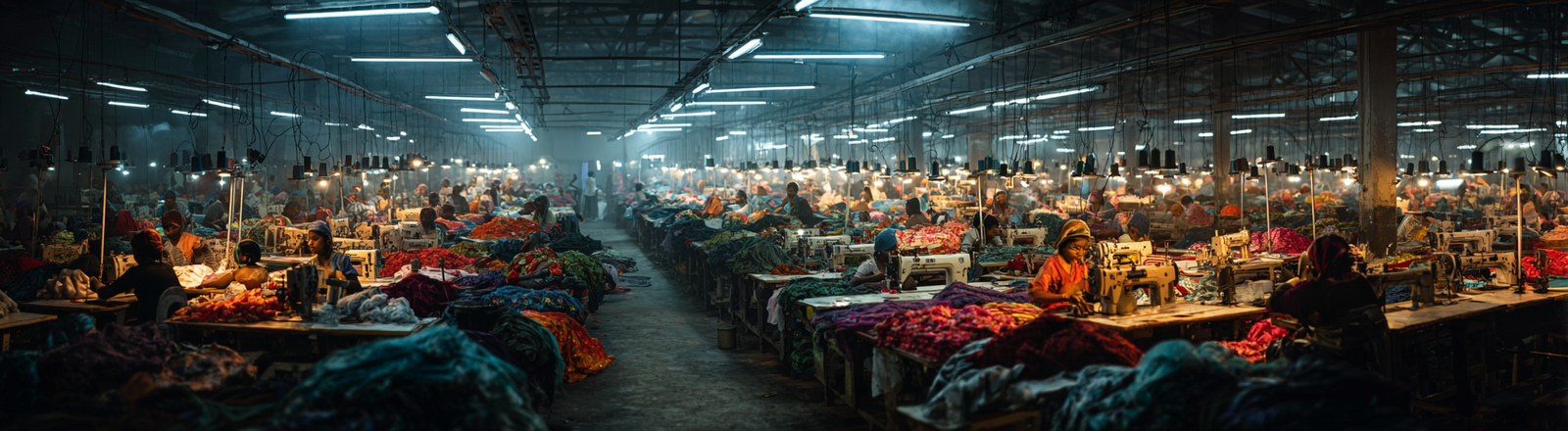
The Global Fashion Supply Chain’s Invisible Storytellers

In the narrow backstreets of Dhaka, where sewing machines hum in uneven chorus, the story of global fashion is stitched together one seam at a time. But it is a story few consumers will ever hear. The garments that arrive folded in tissue and displayed under soft lights are silent about the hands that made them, the places they traveled through, and the lives that shaped them.

Yet every shirt, every dress, carries a hidden narrative—if we know how to listen.

The Global Fashion Supply Chain’s Invisible Storytellers Read More »

The Global Stage: How Culture is Packaged for International Consumption

In a converted warehouse in Dakar, dancers rehearse to the sharp rhythms of sabar drums. The choreography is tight, the costumes freshly stitched. But these are not the dances they grew up with in neighborhood gatherings or family celebrations. The steps have been trimmed, synchronized, and sequenced to fit a twenty-minute performance slot at a European arts festival.

Outside, a tour bus idles, waiting to take the troupe to the airport. In their luggage: not just fabric and drumsticks, but a version of culture tailored for export.

The Global Stage: How Culture is Packaged for International Consumption Read More »

The Tyranny of the Majority in the Digital Age

In his 1835 Democracy in America, Alexis de Tocqueville warned of a danger inherent to democratic life: the “tyranny of the majority.” It was not the tyranny of kings, with armies and decrees, but of numbers — the tendency for the majority’s will to drown out, suppress, or delegitimize dissenting voices.

Nearly two centuries later, the town square has moved online. The algorithms that govern our social media feeds are, in a sense, Tocqueville’s fear made mechanical: they reward what resonates widely and punish what does not. In this arena, majority sentiment is not just powerful — it is amplified, quantified, and relentlessly reinforced.

The Tyranny of the Majority in the Digital Age Read More »

u7996237426 wide view of a parliament chamber one half bathed a92adbaf 6522 44ac 8f7b bfdd1f1f7e70 1

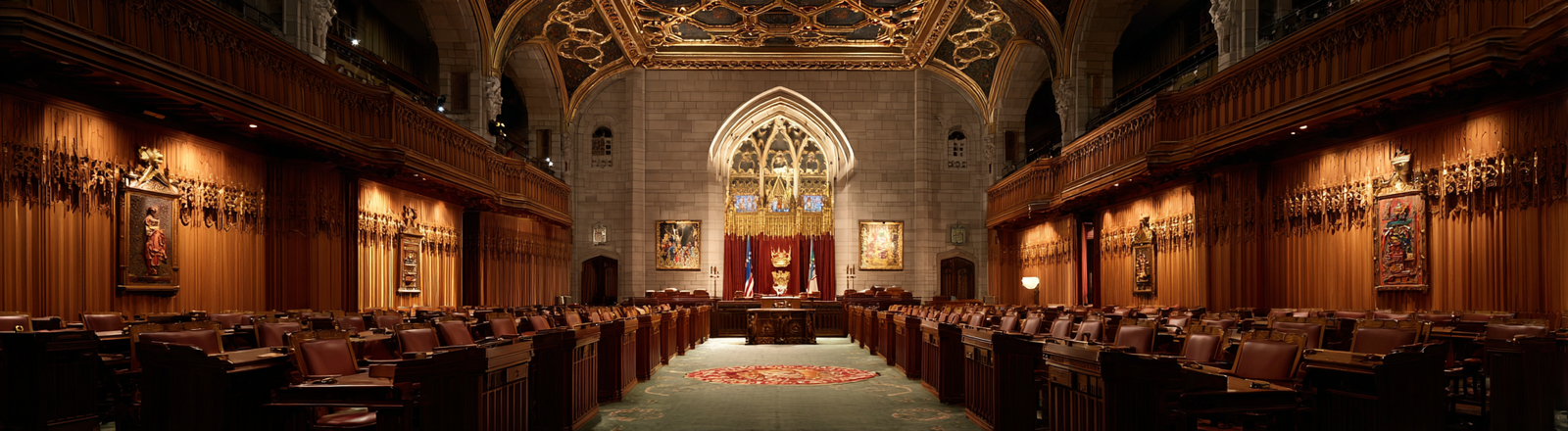
When Democracy Defends the Undemocratic

One of democracy’s proudest boasts is its tolerance for dissent—even dissent that seeks to dismantle democracy itself. We permit unpopular speech, unpopular parties, and unpopular candidates, not because they are harmless, but because we believe a free society should not pre-emptively silence its critics.

Yet this principle contains a paradox: What happens when the tolerance of the system becomes the mechanism of its undoing?

When Democracy Defends the Undemocratic Read More »

u7996237426 stage with a single microphone in focus blurred c f9c3aa56 b681 49e6 847e fdd74536dc4f 1

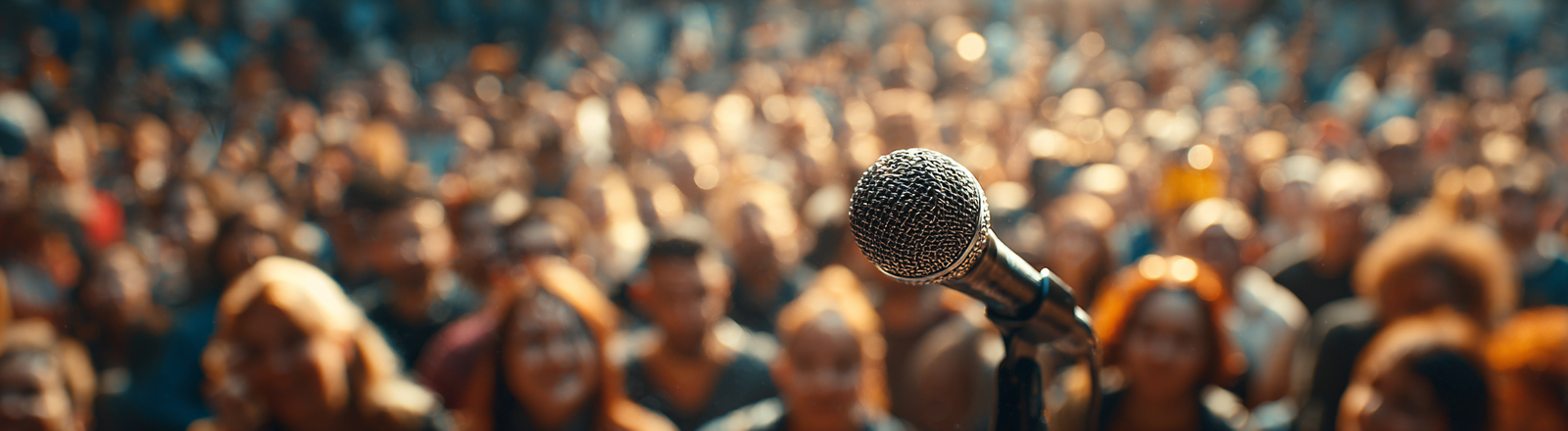
Who Gets to Be an ‘Authentic’ Voice?

In the dusty courtyard of a Dakar neighborhood, a griot once told me, “Truth is not only in the words—it is in who speaks them.” At the time, I thought he meant that experience shapes perspective. Years later, I see the sharper edge in his observation: that the authority to speak, to be heard as authentic, is not evenly distributed. It is conferred—or withheld—by culture, politics, and power.

Who Gets to Be an ‘Authentic’ Voice? Read More »