
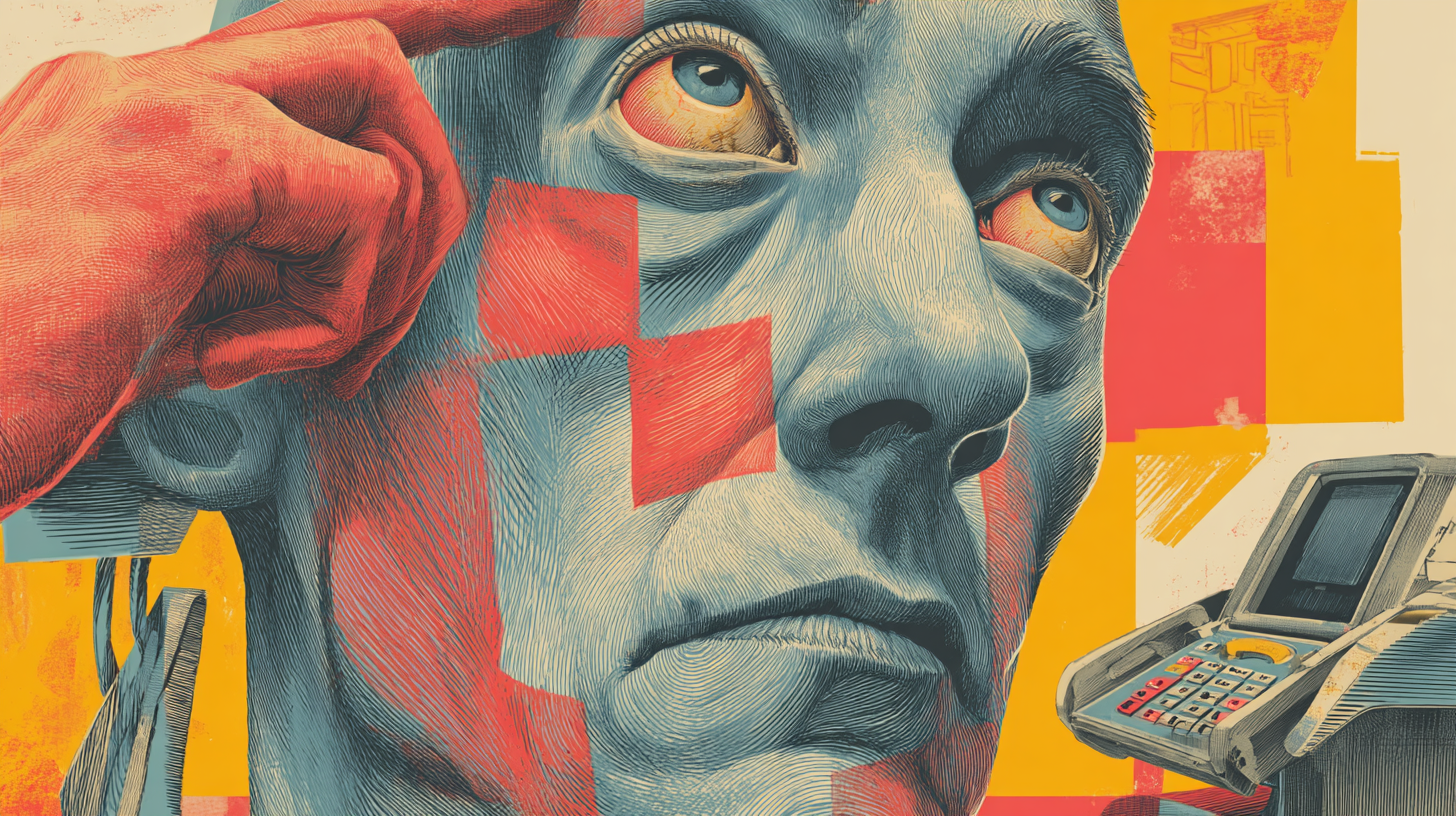
The Biometric Bargain
When your face becomes both the password and the price. Read the full essay →
The Biometric Bargain Read More »

When your face becomes both the password and the price. Read the full essay →
The Biometric Bargain Read More »
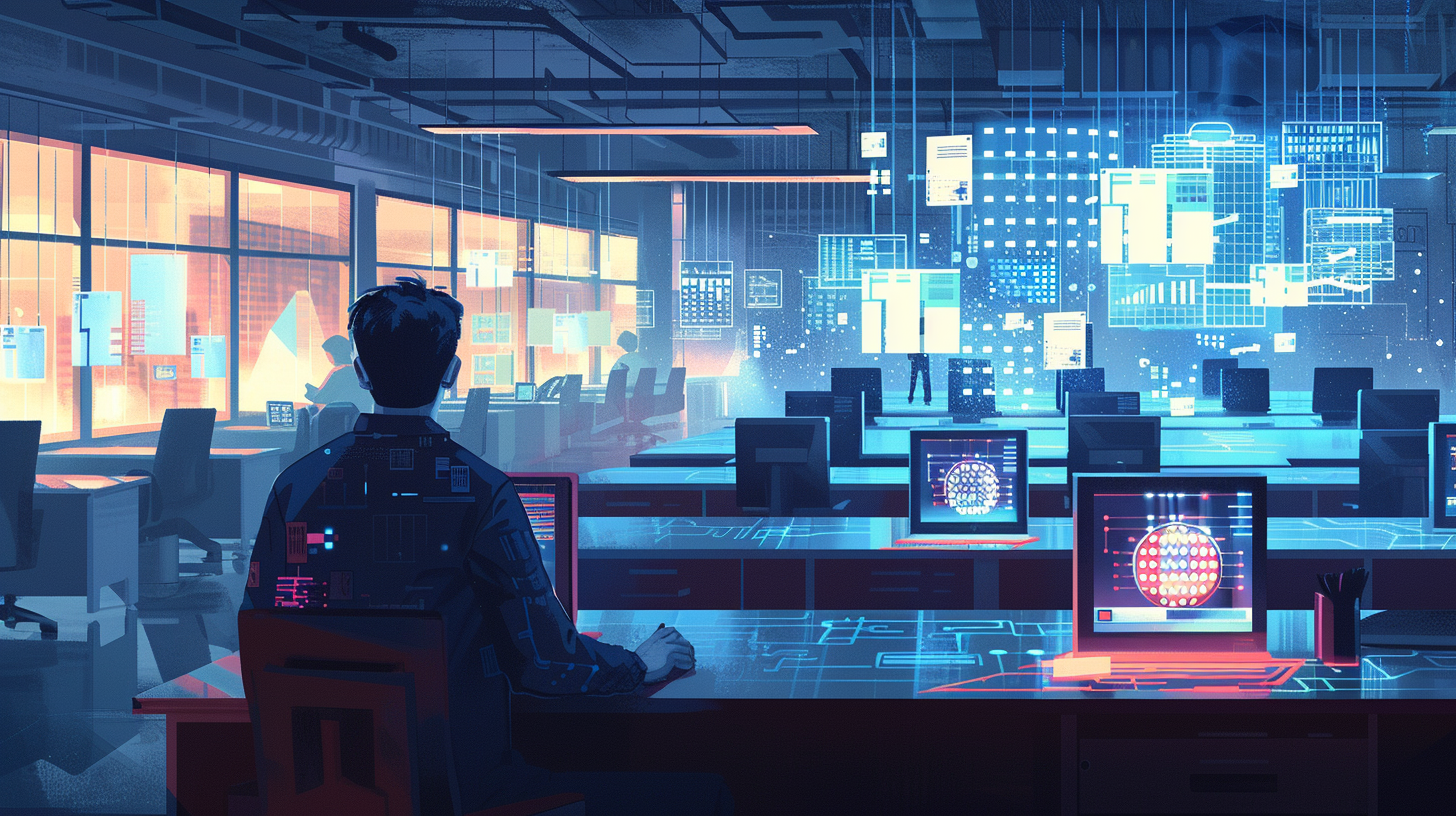
Every technological revolution leaves its mark on the labor market, but artificial intelligence represents something qualitatively different. It is not merely automating repetitive tasks, as machinery did in the Industrial Revolution, nor simply digitizing paperwork as computers once did. Instead, AI is eroding the connective tissue of organizations themselves. How AI impacts future job markets is increasingly clear in the quiet disappearance of middle management, the once-reliable rung between frontline work and executive leadership. As algorithms absorb functions once performed by supervisors, they restructure not only how jobs are performed but how careers unfold.
How AI Impacts Future Job Markets: 10 Powerful Shifts Reshaping Careers Read More »
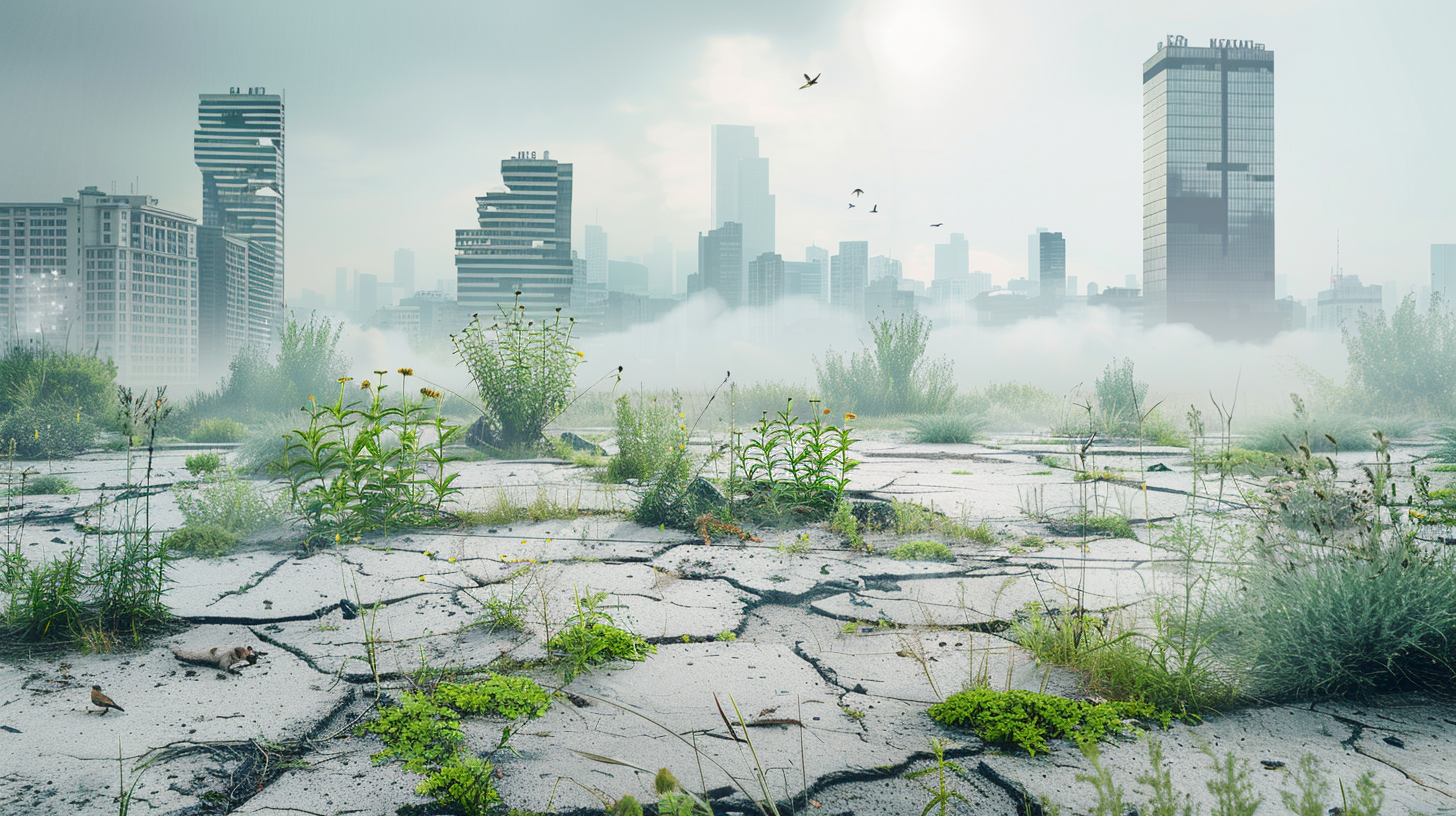
The accelerating pace of biodiversity loss in urban areas is among the least visible yet most consequential crises of the twenty-first century. Too often, biodiversity decline is imagined as something that happens in distant rainforests or along coral reefs, far removed from where most people live. But the extinction unfolding in cities—the places where seventy percent of humanity will reside by mid-century—is no less urgent. Roads, high-rises, and suburbs steadily erase habitats, while surviving species are forced into fragmented pockets where survival is precarious. This decline is not simply ecological; it reshapes inequality, public health, and cultural identity. The challenge is whether cities can be reimagined as habitats for life in all its forms, or whether they will become epicenters of a silent extinction.
The Hidden Extinction at Our Doorstep: Biodiversity Loss in Urban Areas Read More »
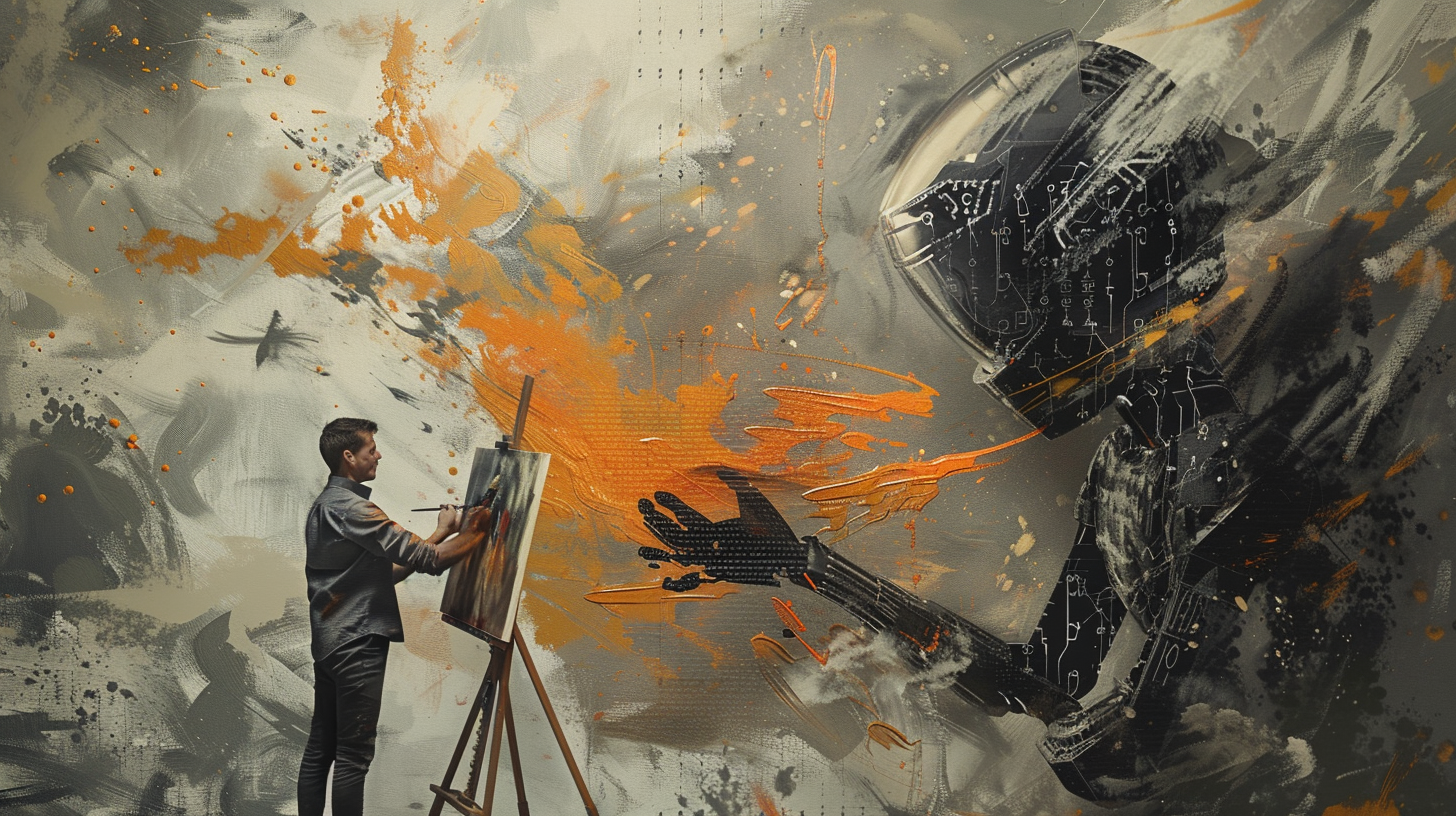
The debate over AI-driven art creation ethics has intensified as algorithms generate works once considered the exclusive domain of human imagination—raising urgent questions about responsibility, authenticity, and the erosion of creative labor. Once confined to experimental labs, AI-driven art platforms now sit on the desktops of hobbyists and the dashboards of global advertising firms, collapsing boundaries between professional artistry and mass automation. What is at stake is not only who gets credit, but also how society defines authorship, ownership, and even the purpose of art in a world where machines increasingly perform the act of creation.
AI-Driven Art Creation Ethics: The Hidden Dangers of Machine-Made Masterpieces Read More »
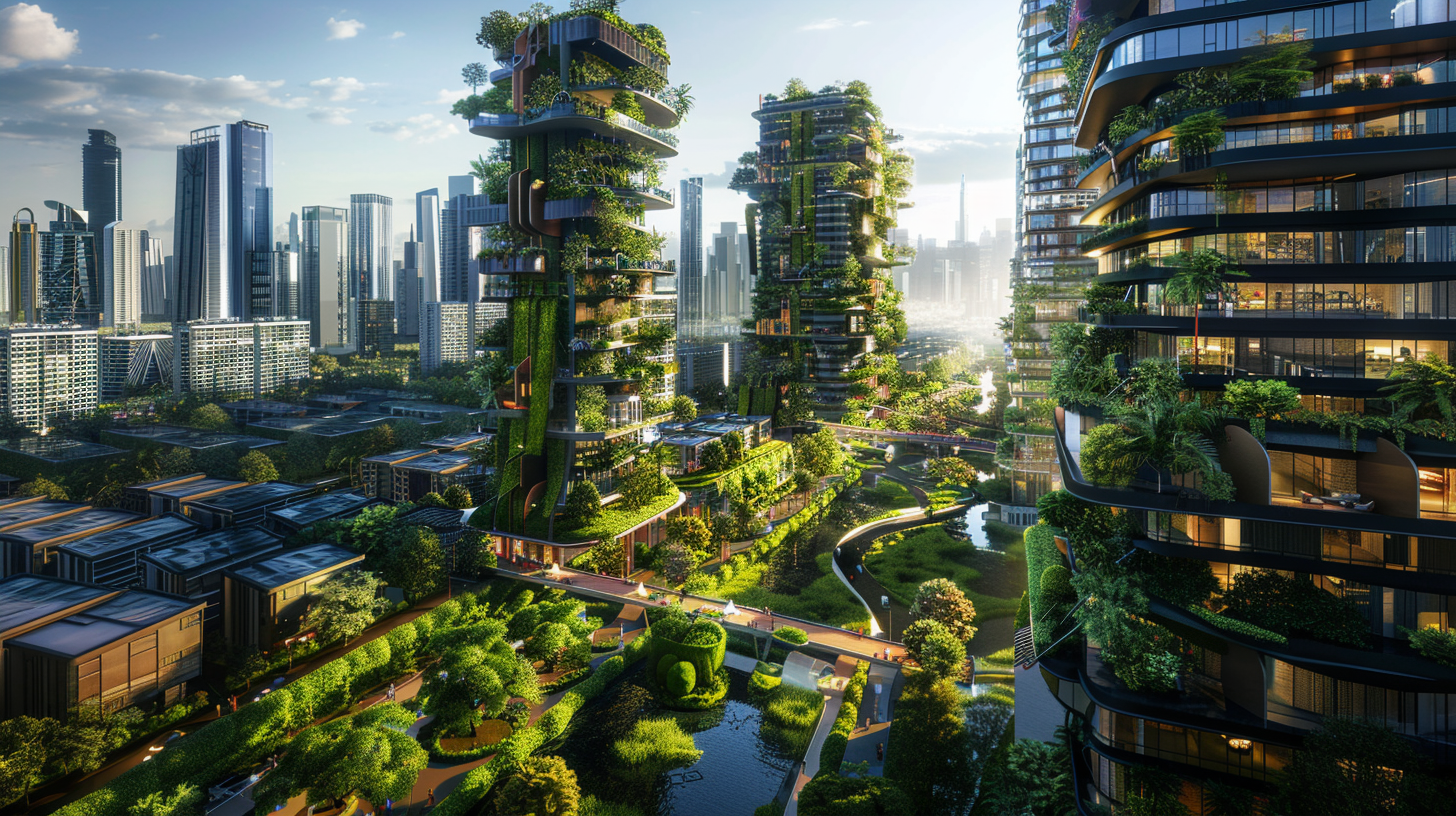
Urban planning for climate resilience is no longer a theoretical ambition but a vital and bold imperative for cities worldwide. As climate-driven shocks—floods, heatwaves, and storms—become more frequent, planning must rise to meet them with strategies that are both innovative and just. This essay explores how cities can harness nature-based design, inclusive governance, integrated infrastructure, and equitable policy to build urban planning for climate resilience that protects vulnerable populations, enhances ecosystems, and strengthens communities for a sustainable future.

In the evolving world of medical technology, Ethical AI in healthcare trends is emerging as a powerful force for improving diagnostics, expanding access to care, and strengthening clinical decision-making. At the same time, this technological wave forces society to confront questions of fairness, transparency, and trust. The promise of predictive diagnostics and AI-enabled triage is immense, but without ethical guardrails, the same tools could deepen inequities, entrench bias, and erode the very trust that healthcare depends on.

In the evolving world of work, mental health in remote work has become one of the most urgent yet underappreciated challenges of the 21st century. Remote arrangements once symbolized freedom: no commute, greater autonomy, and flexibility that promised to improve quality of life. Yet the same systems that liberated workers from office walls have also eroded psychological boundaries, intensified inequality, and created new risks for professional stability. This essay unpacks how blurred lines, economic pressures, and social isolation are reshaping labor, and what structural reforms are needed to protect well-being in a hybrid future.
The Hidden Crisis of Mental Health in Remote Work: Why Boundaries Must Be Reinforced Read More »
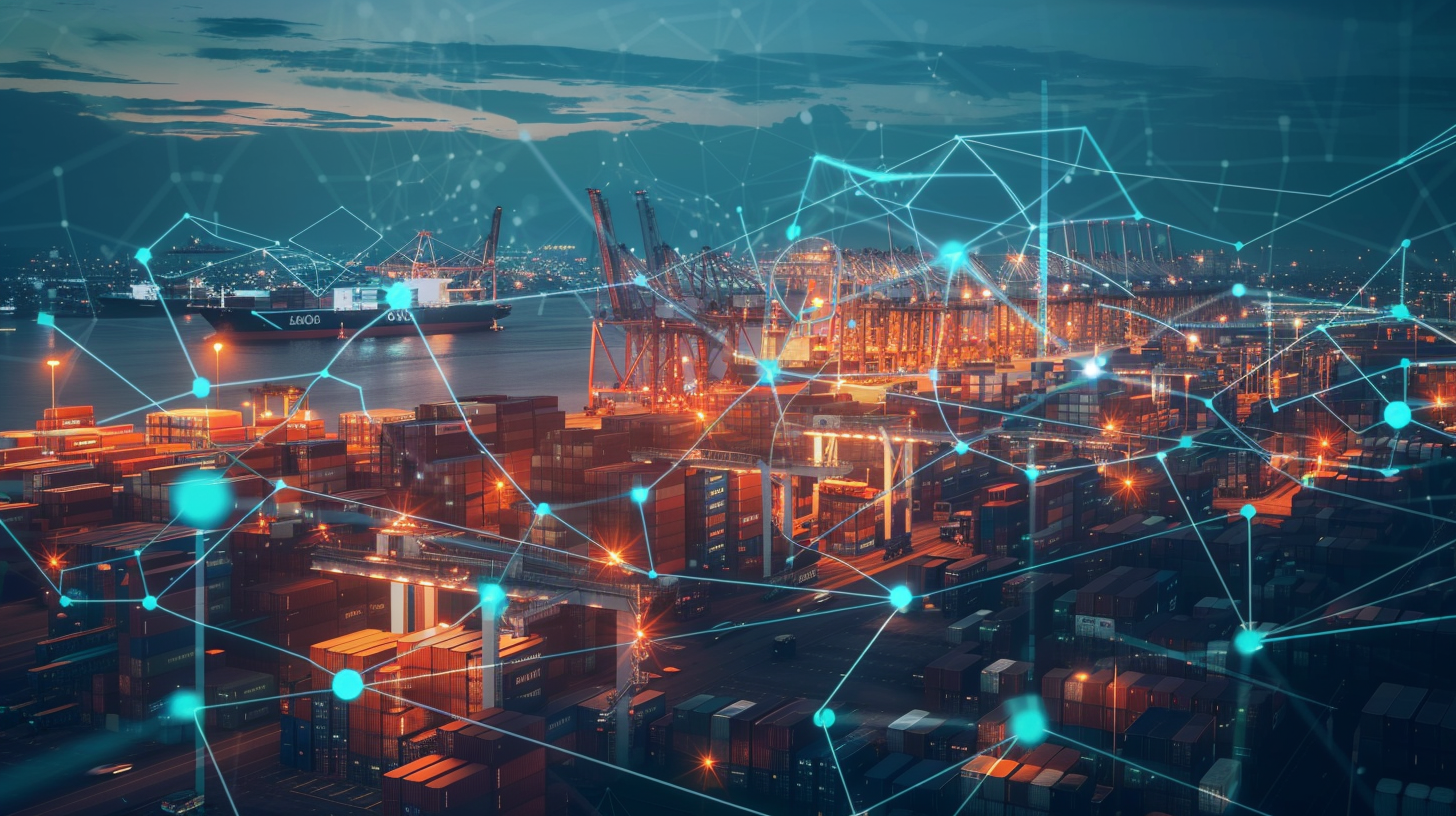
The Role of Blockchain in Supply Chain Management is reshaping global trade with unprecedented transparency—but visibility doesn’t always equal fairness.
Blockchain’s role in supply chain management becomes clear when products begin their journey. Digital ledgers promise clarity and traceability—but underneath lies a struggle over who controls what we see, and whether transparency equals accountability.
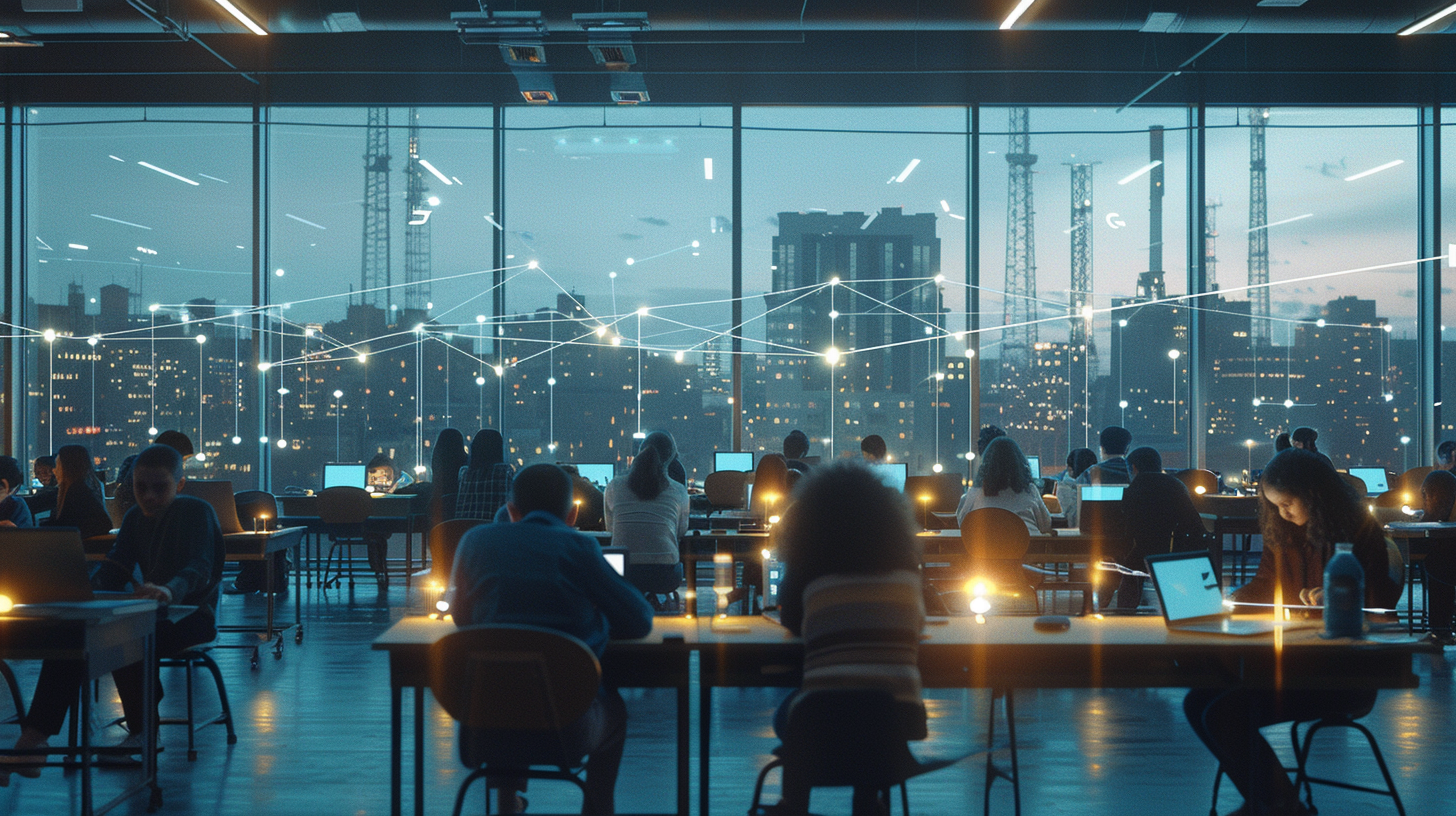
The impact of 5G on education has been described as nothing short of transformative. With download speeds up to 100 times faster than 4G, latency measured in milliseconds, and the capacity to connect millions of devices simultaneously, 5G is touted as the backbone of the next generation of learning. From immersive virtual classrooms to real-time global collaboration, the technology promises to erase the boundaries of geography, bandwidth, and time.
But while policymakers and telecom giants celebrate a digital revolution, the ethical and social implications remain under-examined. Faster signals do not automatically translate into fairer classrooms. The question is not whether students will be more connected, but whether education itself will become more equitable, more private, and more meaningful.
Impact of 5G on Education: The Hidden Risks Behind a Digital Revolution Read More »

Project 2025 is being hailed by its backers as a blueprint for revitalizing American governance, but a closer look reveals a darker reality. The impact of Project 2025 on US economy is not one of broad-based prosperity, but of intensified inequality, weakened protections, and the quiet consolidation of corporate power. Stripping away regulatory guardrails may boost short-term profits for certain industries, yet history shows that such moves often shift risks onto workers, consumers, and taxpayers—costs that are both hidden and devastating.