By Ronan Pierce
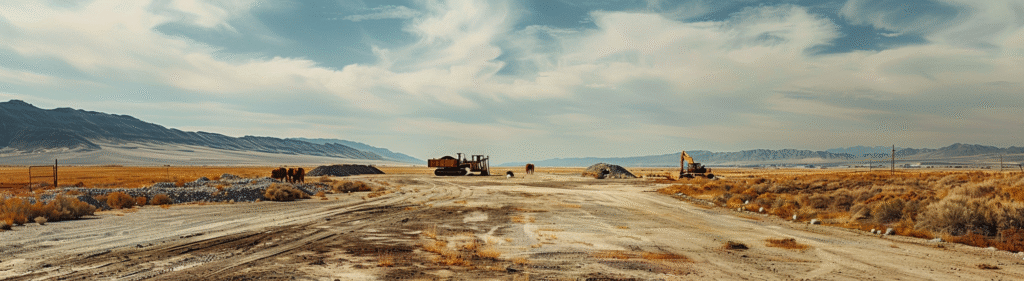
In the high desert of Nevada, just outside a ranching town of 800, the horizon is broken not by cattle or sagebrush but by earthmovers and drilling rigs. The promise here is lithium—the lightest metal, the backbone of modern batteries. For the town, it is both a lifeline and a threat. Jobs arrive, hotels fill, diners stay open late. But the ground shakes with dynamite blasts, water tables drop, and a quiet anxiety takes root: how long will the boom last, and what will be left when it ends?
The New Gold Rush
Lithium is to the 21st century what oil was to the 20th: a resource that powers economies and shapes geopolitics. Global demand for batteries—electric vehicles, storage for wind and solar—has set off a scramble. The U.S., long reliant on imports from Chile, Argentina, and China, is racing to build domestic supply. Mining companies tout rural America as the next frontier.
The pitch is familiar. Jobs for locals, investment in schools, tax revenue to keep towns alive. In places hollowed out by the decline of coal or manufacturing, the lure is hard to resist. “We can’t afford to say no,” one county commissioner told me. “This might be the only thing that keeps our kids from moving away.”
The Hidden Costs
But lithium mining is not free of scars. Extracting the metal requires enormous amounts of water in already arid regions. Ranchers worry wells will run dry, pitting cattle against cars in the fight for scarce groundwater. Dust clouds choke pastures. Heavy trucks crack rural roads not built for industrial traffic.
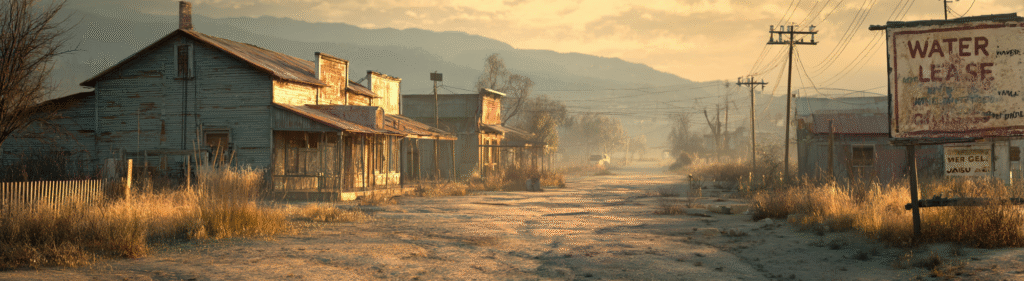
And then there is the boomtown cycle itself. Short-term influxes of workers strain housing markets, driving rents beyond what long-time residents can afford. Bars fill, tempers flare, and social services buckle. Locals recall the oil shale rush of the 1980s, when promises of prosperity turned to bust within a decade.
A Question of Ownership
Who captures the surplus matters. While companies earn profits and investors trade lithium futures, many rural communities see only a fraction of the wealth. Royalties flow unevenly, tax abatements cut into revenues, and local governments are often left scrambling to pay for new schools or emergency services. “We’re told this is for the energy transition, for the planet,” a rancher said. “But who’s looking out for the people actually living here?”
Borrowed Time
Lithium demand will not last forever. Battery chemistries evolve; recycling could reduce the need for new mining within decades. What happens to rural towns built around lithium when the market shifts? Empty motels and scarred landscapes risk becoming the legacy. Without careful planning—investing boom profits into durable infrastructure, diversifying local economies—communities may be left with little more than memories of promises made.
The Road Ahead
The lithium rush is often framed as a climate imperative, but on the ground it is also a story about fairness, stewardship, and foresight. Rural boomtowns cannot live on borrowed time forever. The question is whether the clean-energy transition will repeat the extractive patterns of the past—or whether it can finally deliver a future that sustains both the planet and the places that supply it.