By Dr. Celeste Rahman
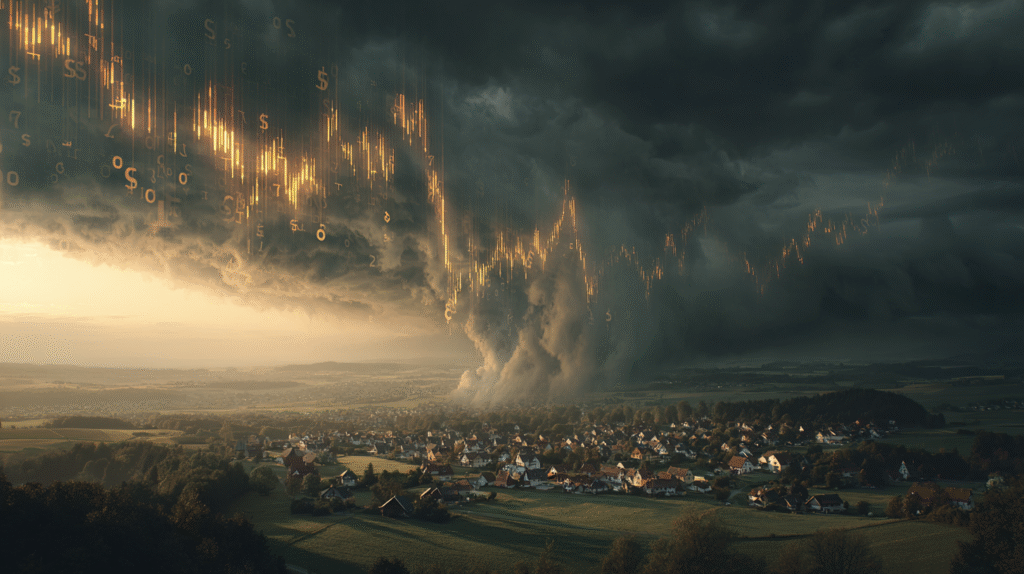
When a hurricane makes landfall or a drought stretches into its third year, the damage is measured in lives disrupted, homes lost, crops withered. But increasingly, it is also measured in payouts. Climate disasters have become so routine that financial instruments once reserved for rare events are now stitched into the fabric of everyday survival. At the center of this shift is parametric insurance — a form of risk management that pays not for actual losses, but for the occurrence of measurable triggers like rainfall thresholds, wind speeds, or temperature anomalies.
Turning Weather Into a Currency
Traditional insurance works backward: you prove what you lost, and an adjuster decides how much is reimbursed. Parametric insurance flips the model. If rainfall drops below a set level, or if wind speeds exceed a threshold, payment is automatic — regardless of how many crops failed or buildings fell. In effect, weather conditions themselves become a currency, tradable on financial markets and hedged through contracts.
This abstraction makes climate risk legible to financiers and governments, but it also creates what some call a second economy, running parallel to the physical one. Farmers may still lose a harvest, but the index triggers a payout that keeps their households solvent. Coastal towns may rebuild not from charity or aid, but from contracts struck years in advance with global reinsurers.
The Everyday Investor in Catastrophe
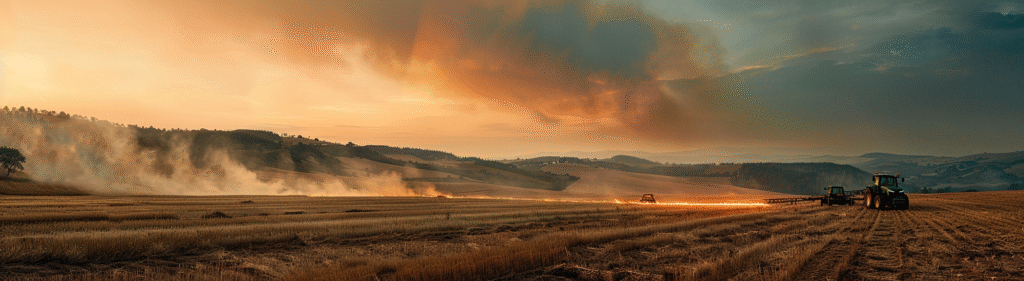
It is tempting to think of these products as obscure financial tools, but they increasingly shape the lives of ordinary people. In Malawi, rainfall-based payouts allow farmers to plant without fear of losing everything to drought. In Florida, parametric hurricane insurance fills gaps where private insurers retreat. Even multinational corporations now treat climate derivatives as routine hedges, like buying futures on oil or wheat.
The analogy is straightforward: just as stock markets spread the risks of corporate growth across many investors, parametric systems spread the risks of climate shocks. But there is a moral tension here. Catastrophe becomes profitable for some even as it devastates others. And the more climate risk is financialized, the more local communities depend on distant capital markets for resilience.
Efficiency or Abstraction?
Advocates argue that parametric tools are faster, fairer, and more transparent than traditional claims processes bogged down by bureaucracy. Payments can arrive within days, rather than months. Critics counter that these systems risk abstracting suffering into spreadsheets. A farmer whose crops are ruined by pests may receive nothing if the rainfall index looks normal. A family may rebuild faster thanks to an algorithmic trigger, but the human context of loss is flattened into a metric.
Climate as Market Logic
Still, the trajectory is clear: as climate change accelerates, we will not only adapt with new technologies and infrastructure but with new markets of resilience. Just as futures markets helped stabilize agriculture in the 19th century, weather futures may now stabilize entire societies.
Yet this economy comes with profound questions. If the weather is now a tradable asset, who sets its value? Who profits when the storm comes, and who is left exposed? The answers will shape not just balance sheets, but the very ethics of how we share risk in an age of planetary upheaval.