By Ronan Pierce
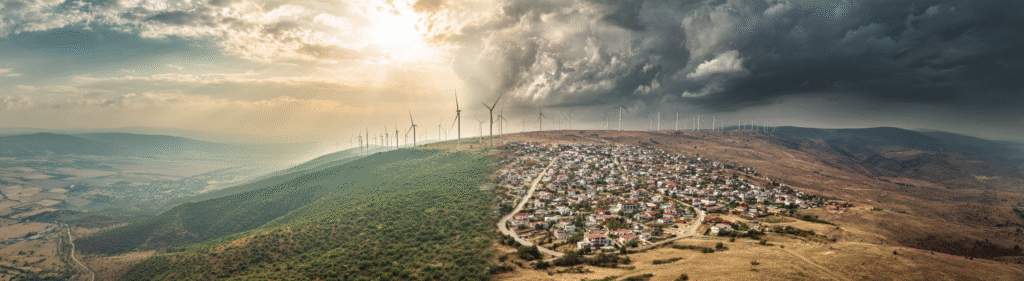
On a wind-swept ridge outside Medicine Bow, Wyoming, the turbines rise like white giants, their blades cutting the air with a low, rhythmic whoosh. From a distance, it looks like progress—clean energy spinning toward a low-carbon future. But down on the ground, among the ranchers, mechanics, and small-town shopkeepers, the story is more complicated.
Promises Made, Promises Shifted
When the wind farm was first proposed, locals were promised steady jobs, infrastructure investment, and a stake in the profits. At town hall meetings, representatives talked about revitalizing rural economies, funding schools, and keeping young people from leaving for the cities.
Some of that has materialized—road improvements, short-term construction work, a handful of permanent maintenance jobs. But many residents say the bulk of the economic benefit flows outward, to the distant corporate headquarters and metropolitan investors who own the projects. Lease payments go to landowners lucky enough to have turbines, while neighbors watch property values shift without seeing a check themselves.
Strains on the Social Fabric
The divide between “host” and “non-host” landowners is more than financial—it’s cultural. Longtime friendships have frayed over disagreements about whether the projects are a blessing or a blight. Some farmers relish the supplemental income; others bristle at the disruption of century-old grazing routes and the thrum of blades over once-quiet fields.
Then there’s the influx of transient construction crews, which can strain housing markets and local services. Small towns unprepared for the surge face shortages of rental units, higher prices, and, in some cases, social tension.
Environmental Ironies
Green energy isn’t impact-free. Access roads cut through wildlife habitats; transmission lines fragment migration corridors. For residents who’ve spent generations stewarding the land, these scars are a bitter trade-off, especially when they feel excluded from the decision-making process.
It’s a reminder that “clean” refers to carbon emissions, not to the broader environmental footprint.
Toward a Fairer Transition
Experts in rural development say these tensions aren’t inevitable—they’re the product of a top-down approach that treats rural spaces as resource zones rather than communities. Policies could require revenue-sharing agreements that benefit all residents, not just a subset of landowners. Local hiring mandates, environmental restoration funds, and genuine consultation processes could turn green projects into sources of pride rather than resentment.
The energy transition will reshape the American landscape, physically and economically. The question is whether rural communities will be partners in that process or simply the backdrop.
On that Wyoming ridge, the turbines still turn, feeding electricity into a grid that powers homes hundreds of miles away. But in town, the coffee shop chatter is less about the future they were promised and more about the one they’re living—proof that even in the pursuit of a greener world, the costs and benefits don’t always blow in the same direction.