politics

u7996237426 dusty rural nevada landscape massive lithium mine a4cc0cec d448 40cd a90f 1ec7698bb461 2

The Lithium Rush: Rural Boomtowns on Borrowed Time

In the high desert of Nevada, just outside a ranching town of 800, the horizon is broken not by cattle or sagebrush but by earthmovers and drilling rigs. The promise here is lithium—the lightest metal, the backbone of modern batteries. For the town, it is both a lifeline and a threat. Jobs arrive, hotels fill, diners stay open late. But the ground shakes with dynamite blasts, water tables drop, and a quiet anxiety takes root: how long will the boom last, and what will be left when it ends?

The Lithium Rush: Rural Boomtowns on Borrowed Time Read More »
u7996237426 a wide rural landscape with cornfields and silos 073b79ad fefb 4b97 813b 9bba642ade02 0

Data Centers, Dry Wells: Rural America’s New Faustian Bargain

On the edge of a cornfield in central Iowa, steel skeletons rise where silos once stood. They are not barns but server halls—vast, windowless structures humming with the machinery of the digital age. Inside, racks of servers will soon pulse with cloud traffic for global companies. Outside, residents wonder what will become of their wells.

Across rural America, towns long defined by agriculture are striking deals with technology giants. The bargains are familiar: land for sprawling campuses, generous tax abatements, and promises of jobs. But the new wrinkle is elemental—these facilities devour water and power on scales small communities never imagined.

Data Centers, Dry Wells: Rural America’s New Faustian Bargain Read More »

Echoes of the Great Game in the Arctic’s New Cold War

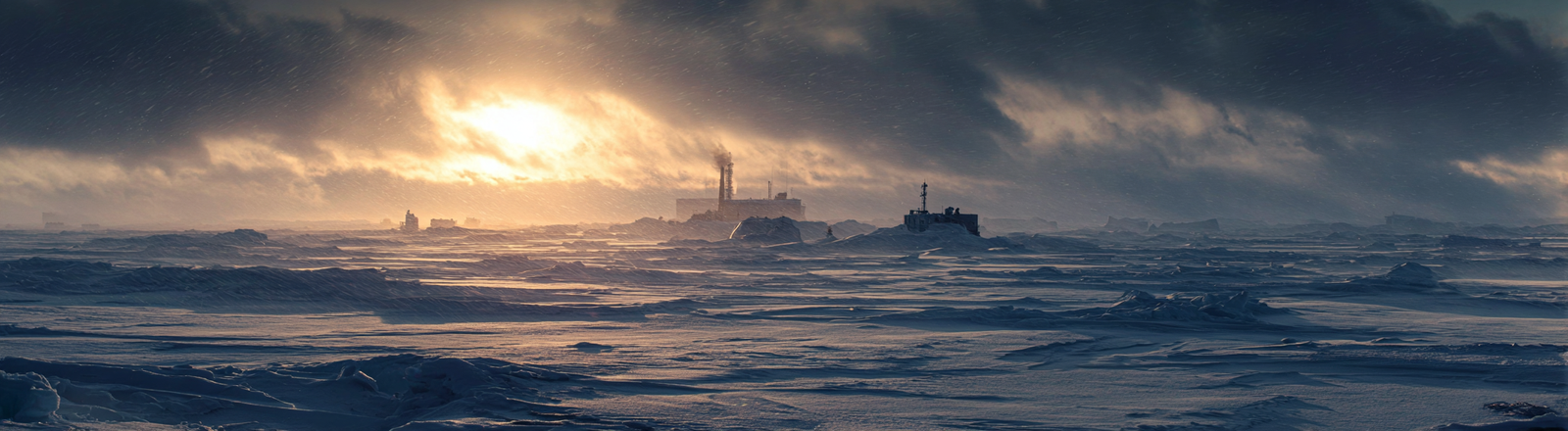
In the nineteenth century, British and Russian envoys maneuvered across the mountains and deserts of Central Asia in a high-stakes contest for influence. Historians would later call it the Great Game—a slow, deliberate rivalry fought not only with armies but with maps, treaties, and the quiet presence of explorers who were never merely explorers.

Today, the terrain has shifted thousands of miles north, but the strategic logic feels eerily familiar. The Arctic—once a frozen backwater of geopolitics—has become a contested frontier, where climate change has unlocked both navigable waters and the mineral riches beneath. The actors are different, the tools more sophisticated, but the underlying game—competition for access, influence, and security—is playing out again.

Echoes of the Great Game in the Arctic’s New Cold War Read More »

Why the Gig Economy’s Second Act Could Be Worse Than the First

When the gig economy burst onto the scene in the early 2010s, it came wrapped in the language of freedom. Be your own boss. Set your own hours. Work from anywhere. For a while, it felt like a bargain—especially for people shut out of traditional jobs or looking to make ends meet on their own terms.

But beneath the app-based convenience, the first act of the gig economy carried hidden costs: income instability, lack of benefits, algorithmic control. Many workers discovered that “flexibility” could mean unpredictable schedules and “independence” often came without a safety net.

Now, as the sector evolves, we’re entering what I call the second act—and the warning signs suggest it may be even harsher than the first.

Why the Gig Economy’s Second Act Could Be Worse Than the First Read More »

Can a Just Society Survive the Loss of Privacy?

What is justice without privacy? It is a question that, until recently, belonged to the realm of speculative philosophy. Today, it feels less like a thought experiment and more like a daily headline.

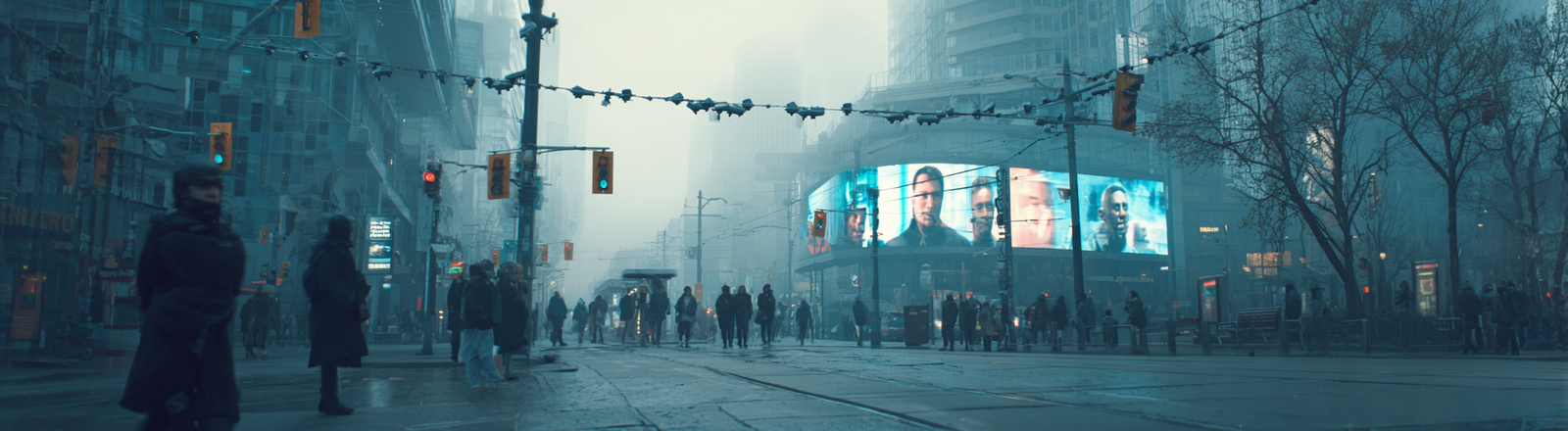
From the cameras embedded in our streets to the trackers in our phones, the capacity to monitor individuals has outpaced our moral vocabulary for discussing it. Surveillance technologies promise safety, efficiency, even fairness—but at what cost to the invisible space where individual dignity resides?

Can a Just Society Survive the Loss of Privacy? Read More »

Biometric Borders: The Future of Travel or the End of Freedom?

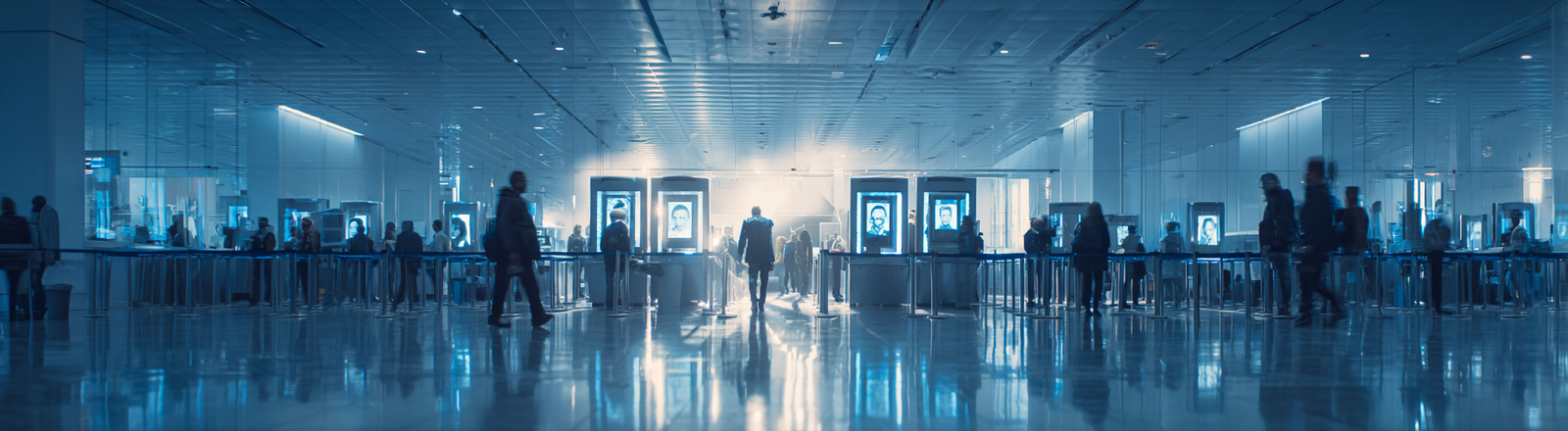
At a growing number of airports, your face is now your boarding pass. A quick scan, a green light, and you’re waved through—no fumbling for IDs, no manual checks. To the weary traveler, it feels like a glimpse of the future: seamless, frictionless, efficient.

But this future carries a shadow. As biometric border systems spread—using fingerprints, iris scans, and facial recognition to verify identity—the convenience they promise comes with a question few passengers stop to ask: What happens to all that data, and who controls it?

Biometric Borders: The Future of Travel or the End of Freedom? Read More »

The Water Wars Already Happening in America’s Heartland

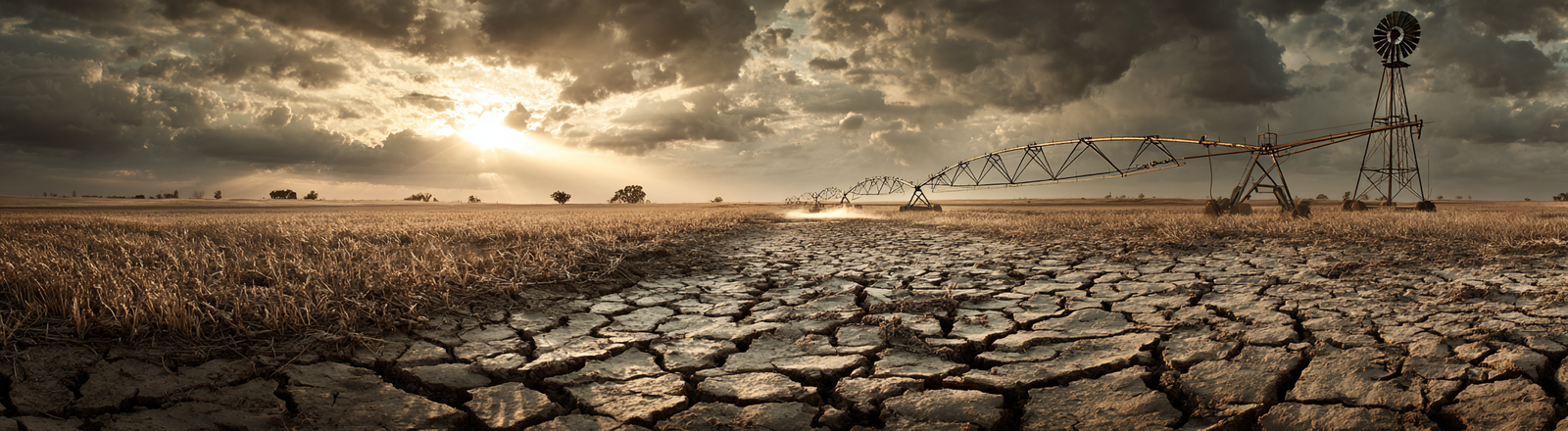
The first thing you notice driving into Garden City, Kansas, isn’t the endless horizon or the golden sweep of wheat—it’s the wells. Steel pumpjacks rise from the fields like stubborn mechanical weeds, pulling from an underground reserve that has been shrinking for decades.

This is the Ogallala Aquifer, one of the largest freshwater bodies in the world, stretching beneath eight states. It is also vanishing—drained faster than it can be replenished, a slow-motion crisis that’s already reshaping the politics, economy, and daily life of America’s agricultural heartland.

The Water Wars Already Happening in America’s Heartland Read More »

u7996237426 Ultra wide cinematic image of a Caribbean financi ef32378e 71dd 45b2 9709 439c6fc99435 1

The Quiet Collapse of Offshore Banking Havens

For decades, offshore banking havens—those small jurisdictions where capital could slip in quietly and taxes barely whispered its name—were fixtures of the global financial landscape. The British Virgin Islands, the Cayman Islands, Panama, Liechtenstein: they were more than tropical postcards and mountain chalets. They were nodes in a shadow network moving trillions of dollars across borders with minimal oversight.

That network is now shrinking—not with a bang, but with the steady grind of international regulation, transparency agreements, and political pressure. The collapse is quiet, but its effects are profound.

The Quiet Collapse of Offshore Banking Havens Read More »

u7996237426 ultra wide cinematic collage blending u.s. dollar 1bf1dcdc 861c 412e a9d3 bc287bee39d7 2

The Currency Cold War: Competing for the World’s Reserve

In the marble halls of central banks and the quiet meeting rooms of finance ministries, a high-stakes contest is unfolding. It’s not about tariffs or trade agreements. It’s about which currency the world will trust most — and, by extension, which nation will wield the greatest economic influence in the decades to come.

For nearly eight decades, the U.S. dollar has reigned as the world’s primary reserve currency, the backbone of global trade, and the benchmark for commodities from oil to gold. But in recent years, the euro and the Chinese yuan have been maneuvering for greater prominence, each seeking to loosen the dollar’s grip.

The Currency Cold War: Competing for the World’s Reserve Read More »

Algorithmic Borders: The Rise of Digital Immigration Control

The first checkpoint may no longer be a uniformed officer with a passport stamp. Increasingly, it is a silent algorithm, running on a remote server, deciding — in milliseconds — whether you will be waved through, delayed, or denied.

From visa applications to airport security screening, artificial intelligence is becoming the invisible gatekeeper of human mobility. Governments frame these systems as efficiency upgrades: faster queues, fewer errors, more “objective” decisions. But efficiency can also conceal a shift in power — and accountability — from human judgment to machine logic.

Algorithmic Borders: The Rise of Digital Immigration Control Read More »