

The Drought Economy
When the wells run dry, the market takes over. Read the full essay →
The Drought Economy Read More »
When the wells run dry, the market takes over. Read the full essay →
The Drought Economy Read More »
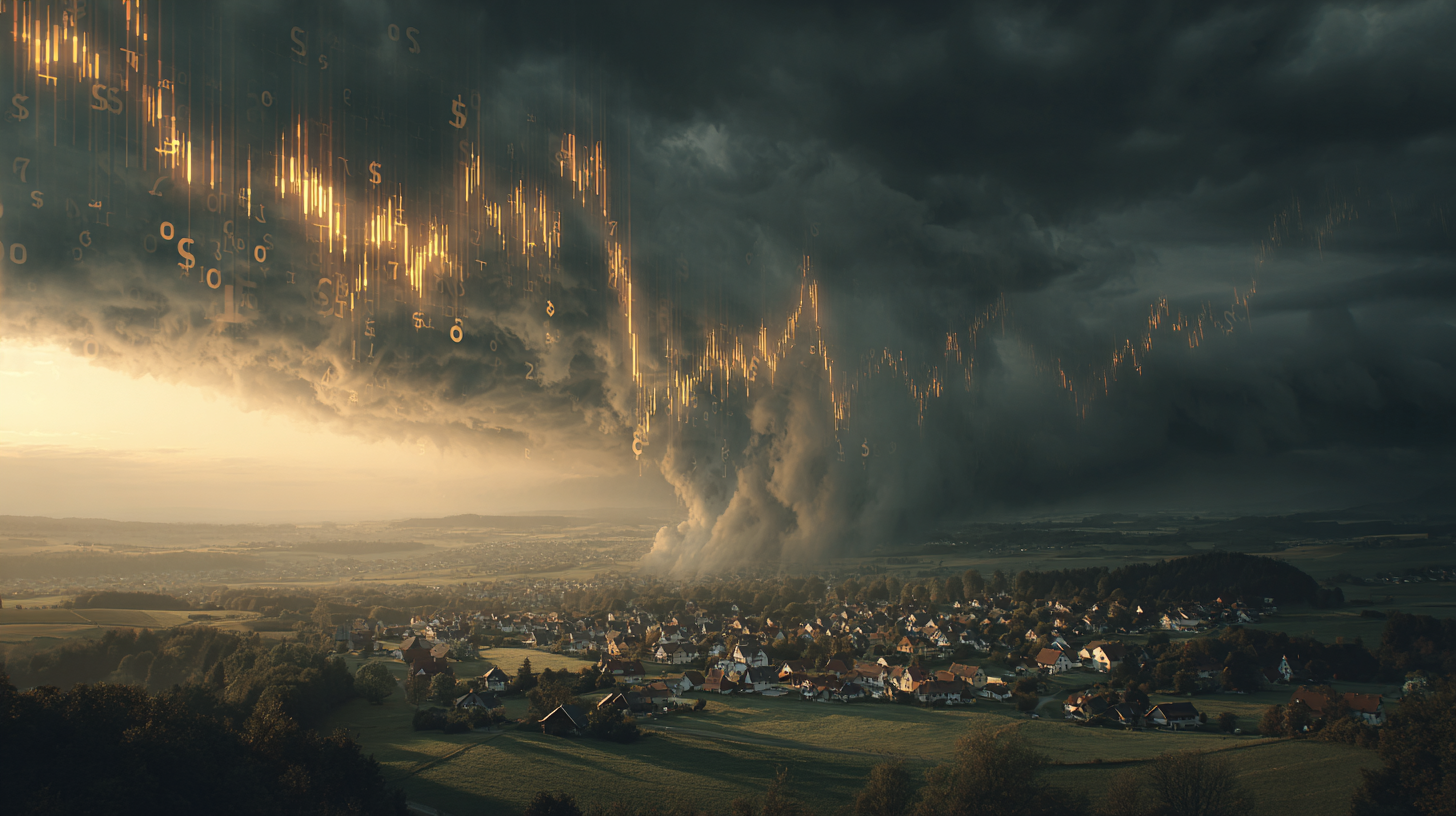
When a hurricane makes landfall or a drought stretches into its third year, the damage is measured in lives disrupted, homes lost, crops withered. But increasingly, it is also measured in payouts. Climate disasters have become so routine that financial instruments once reserved for rare events are now stitched into the fabric of everyday survival. At the center of this shift is parametric insurance — a form of risk management that pays not for actual losses, but for the occurrence of measurable triggers like rainfall thresholds, wind speeds, or temperature anomalies.
Weather Futures: How Climate Insurance Is Becoming a Second Economy Read More »

For much of the twentieth century, central banks wielded a predictable toolset: cut interest rates to spur lending, raise them to cool inflation. Beneath the technical maneuvers lay an assumption of control—that capital moved slowly enough, and credit demand was elastic enough, for monetary nudges to shape the real economy. In the digital age, that assumption is eroding. Liquidity no longer behaves as it once did, and the classic “liquidity trap” is returning in a new guise.
Liquidity Traps in the Digital Age Read More »

You buy a car, but its software license expires. You own a phone, but the manufacturer disables it remotely when support ends. Increasingly, ownership no longer guarantees permanence. In a world of connected devices, companies retain the power to “switch off” products—even those you paid for—when they fall outside the official support window. Welcome to the kill switch economy, where the lifespan of your possessions is determined not by durability, but by code.
The Kill Switch Economy: What Happens When Devices Outlive Their Licenses? Read More »
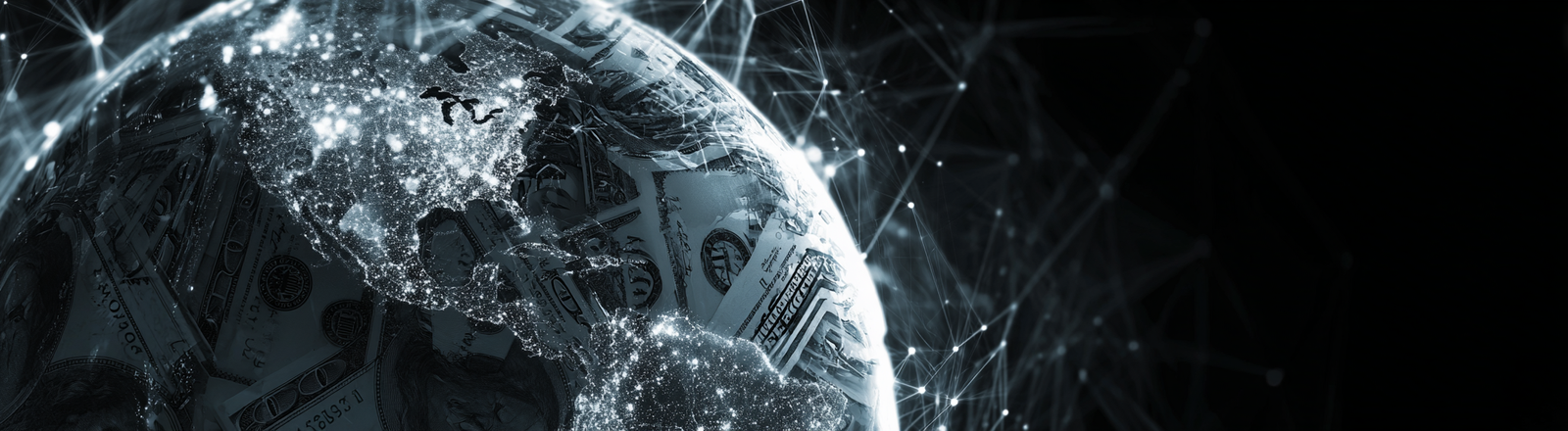
For decades, the U.S. dollar has served as the backbone of global commerce — the unit of account for oil, trade, and debt. Yet in the shadow of intensifying sanctions regimes, a parallel architecture is emerging. From Moscow to Tehran to Beijing, nations sidelined from the dollar system are stitching together alternatives: bilateral currency swaps, crypto-based settlements, and state-backed digital coins. What was once fringe experimentation is hardening into shadow currencies — and with them, the outlines of new financial empires.
Shadow Currencies: How Sanctions Create New Financial Empires Read More »
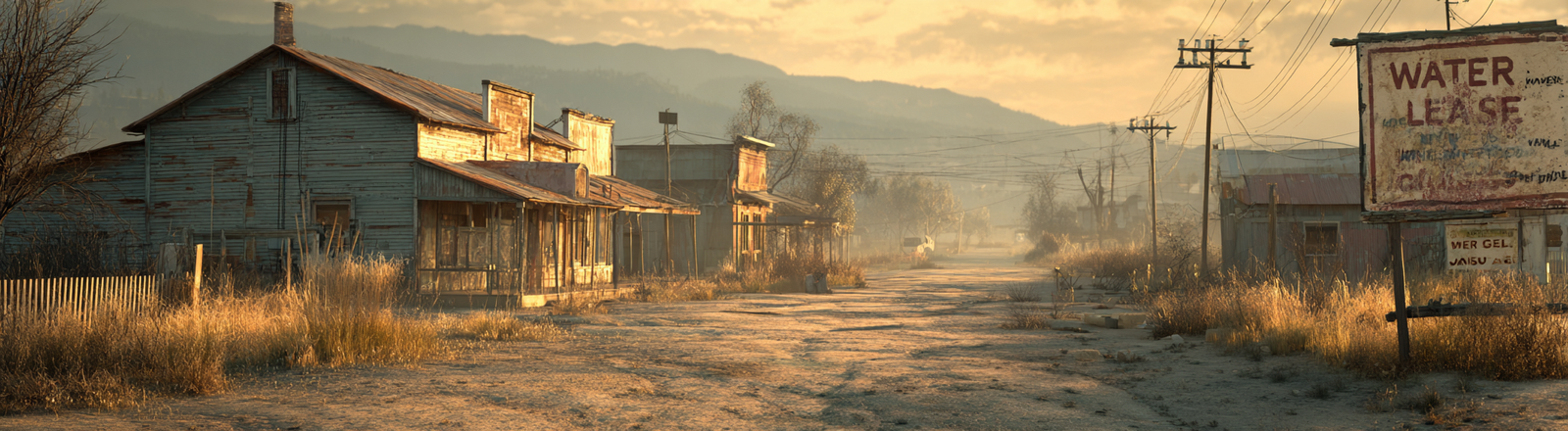
On the outskirts of a parched town in western Kansas, a hand-painted sign reads: “Water for Lease — Call Jim.” It hangs beside a field where wheat once grew, now cracked into a jigsaw of dust. Here, water is no longer just a necessity; it is a commodity, traded, hoarded, and leased like land. As drought deepens across America’s heartland, rural communities are discovering what it means when water becomes currency — and the bargain is rarely fair.
The Drought Economy: Can Small Towns Survive When Water Becomes Currency? Read More »

In the middle of the North Sea, ships drop anchor not for trade, but to lower a different kind of lifeline: fiber-optic cables as thin as a garden hose, carrying nearly all the world’s internet traffic. These strands of glass, buried in the seabed, are the hidden arteries of the global economy. And like railroads in the 19th century or oil chokepoints in the 20th, they are becoming the contested frontiers of great-power rivalry. What divides nations today is not just ideology or territory, but the control of invisible threads binding the modern world together.
The New Iron Curtain: How Fiber-Optic Cables Redraw Global Fault Lines Read More »
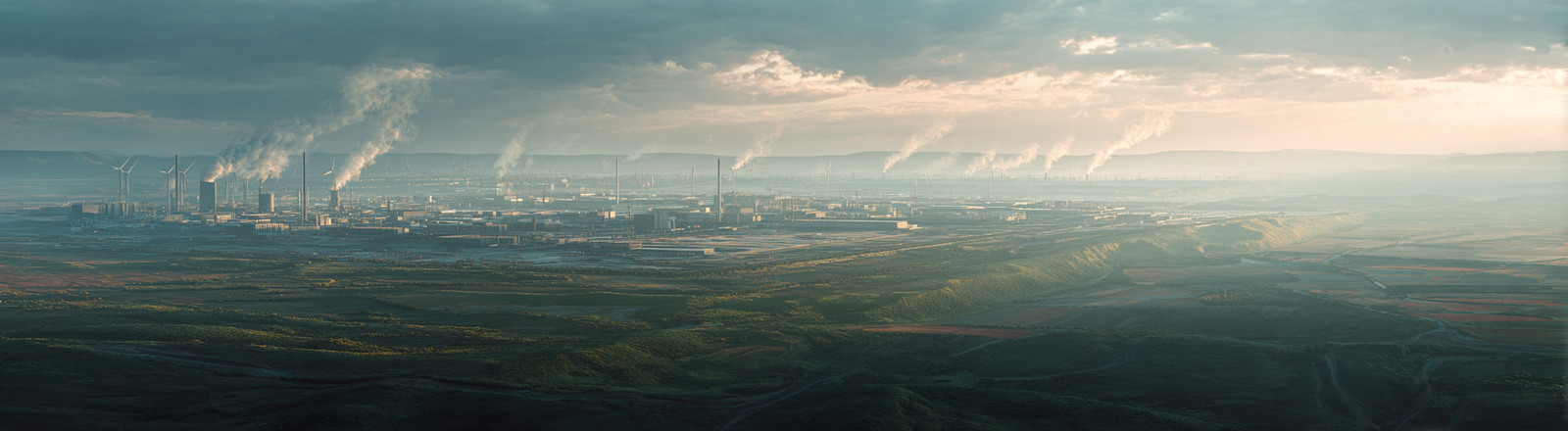
In the Midwest, empty factories once built cars and appliances. Today, many of those same towns are luring battery plants and lithium processors with tax breaks and the promise of green jobs. Politicians call it the “Battery Belt”—a rebirth of industrial America, powered not by coal and steel but by electric cars and grid storage. Yet for residents, the transformation raises an uneasy question: is the clean energy revolution simply swapping one extractive industry for another?
The Battery Belt: When Climate Tech Becomes Extractive Industry Read More »

When the gig economy burst onto the scene in the early 2010s, it came wrapped in the language of freedom. Be your own boss. Set your own hours. Work from anywhere. For a while, it felt like a bargain—especially for people shut out of traditional jobs or looking to make ends meet on their own terms.
But beneath the app-based convenience, the first act of the gig economy carried hidden costs: income instability, lack of benefits, algorithmic control. Many workers discovered that “flexibility” could mean unpredictable schedules and “independence” often came without a safety net.
Now, as the sector evolves, we’re entering what I call the second act—and the warning signs suggest it may be even harsher than the first.
Why the Gig Economy’s Second Act Could Be Worse Than the First Read More »
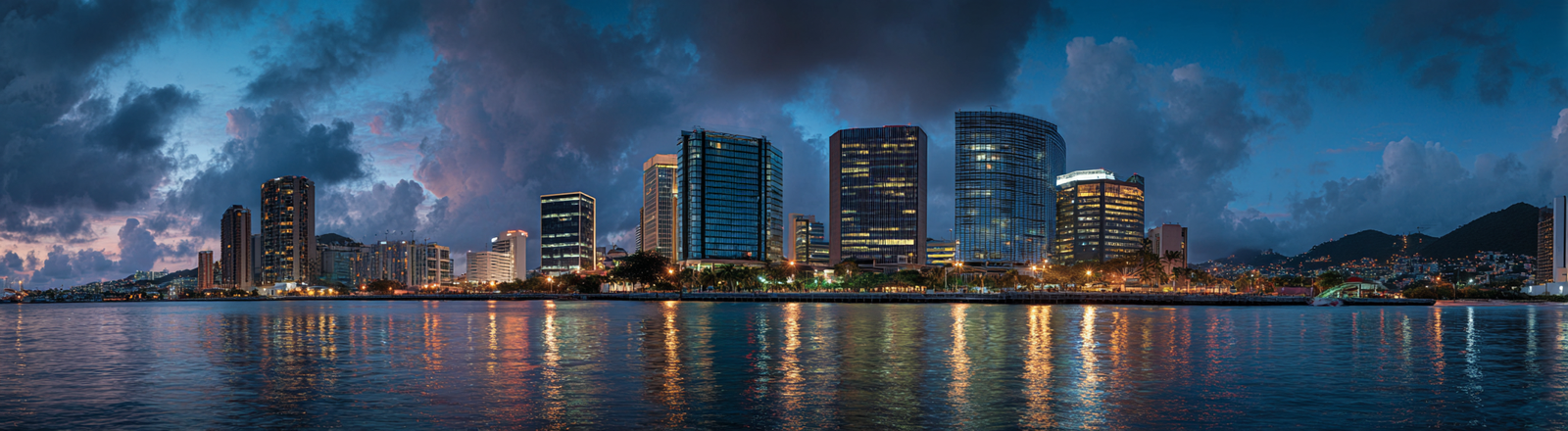
For decades, offshore banking havens—those small jurisdictions where capital could slip in quietly and taxes barely whispered its name—were fixtures of the global financial landscape. The British Virgin Islands, the Cayman Islands, Panama, Liechtenstein: they were more than tropical postcards and mountain chalets. They were nodes in a shadow network moving trillions of dollars across borders with minimal oversight.
That network is now shrinking—not with a bang, but with the steady grind of international regulation, transparency agreements, and political pressure. The collapse is quiet, but its effects are profound.
The Quiet Collapse of Offshore Banking Havens Read More »