climate

u7996237426 cinematic illustration of a global health summit 099972bf 60ea 4fe5 800e b6bac23f1944 0

The Pandemic Treaty Dilemma: Global Solidarity vs. National Sovereignty

When COVID-19 swept across the globe, it revealed a paradox: pandemics are borderless, but power is not. Viruses moved freely, yet decision-making—on lockdowns, vaccine allocation, travel bans—remained locked inside national borders. That paradox now sits at the heart of negotiations over a proposed global pandemic treaty, led by the World Health Organization.

The Pandemic Treaty Dilemma: Global Solidarity vs. National Sovereignty Read More »

u7996237426 aerial cinematic scene of military bases across o 8e40db71 829a 417b b04c d6f77a0159fa 2

Empires in Retreat: The New Scramble for Bases Abroad

On the scorched island of Diego Garcia in the Indian Ocean, cargo planes roar off a runway carved by Cold War logic. In Djibouti, French gendarmes share space with American drones, Chinese naval patrols, and Japanese engineers. And in the high Arctic, melting ice transforms barren coastlines into waypoints for submarines and icebreakers. The map of global power is once again dotted with outposts, as nations old and new compete to secure footholds far from home.

Empires in Retreat: The New Scramble for Bases Abroad Read More »

u7996237426 sweeping landscape with endless high voltage powe 4f71aa56 cb07 4474 ac0f 89078aa5555c 1

Gridlock or Green Grids? The Battle Over Transmission Lines

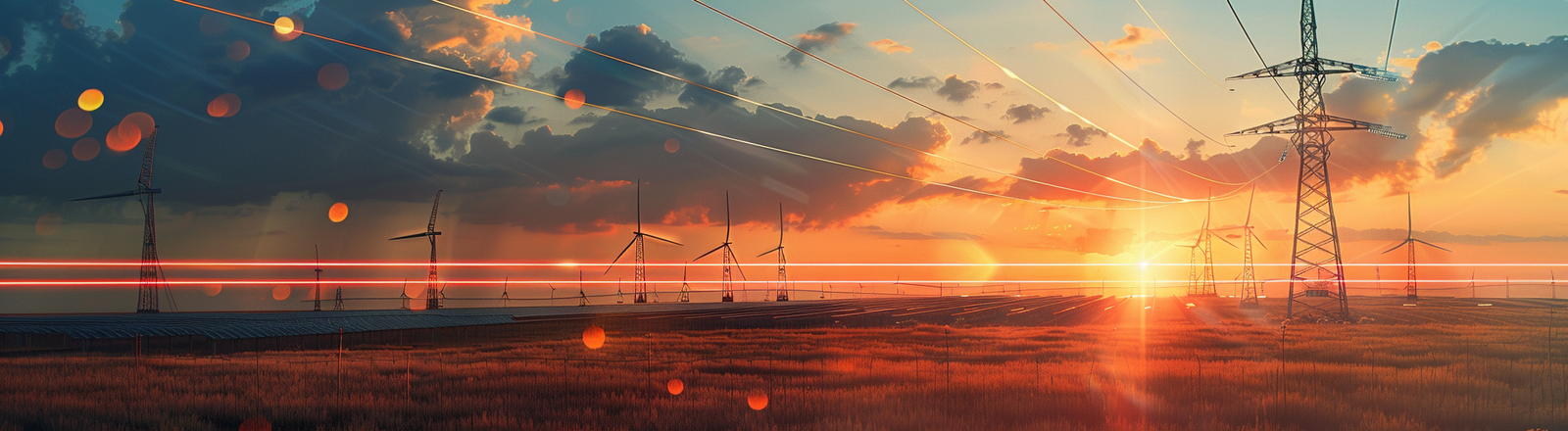
When politicians sign climate pledges, the targets look simple: 50 percent renewables by 2030, net-zero emissions by 2050. But goals on paper don’t power homes. Electricity does. And in between wind farms, solar arrays, and city skylines lies a far less glamorous piece of infrastructure: the wires themselves. Without new transmission lines, the clean-energy future risks becoming a mirage.

Gridlock or Green Grids? The Battle Over Transmission Lines Read More »

u7996237426 dusty rural nevada landscape massive lithium mine a4cc0cec d448 40cd a90f 1ec7698bb461 2

The Lithium Rush: Rural Boomtowns on Borrowed Time

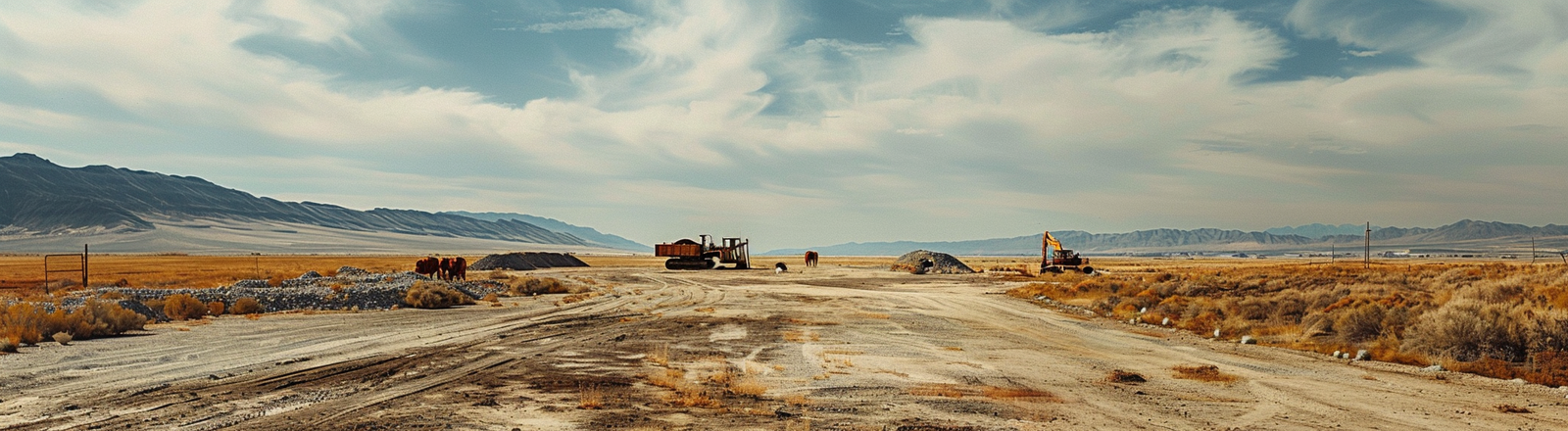
In the high desert of Nevada, just outside a ranching town of 800, the horizon is broken not by cattle or sagebrush but by earthmovers and drilling rigs. The promise here is lithium—the lightest metal, the backbone of modern batteries. For the town, it is both a lifeline and a threat. Jobs arrive, hotels fill, diners stay open late. But the ground shakes with dynamite blasts, water tables drop, and a quiet anxiety takes root: how long will the boom last, and what will be left when it ends?

The Lithium Rush: Rural Boomtowns on Borrowed Time Read More »

u7996237426 a world map morphing into three dramatic maritime 40f225ee 8faa 4bb7 9fab 661a99ecd288 2

Chokepoints Reborn: From Suez and Malacca to a Melting Arctic

At dawn on October 29, 1956, Egyptian forces detonated explosives along the banks of the Suez Canal. The blast reverberated across the Cold War world: Britain and France, fearing for their oil lifeline, would soon invade; the United States, alarmed at Soviet maneuvering, would force them back. A single narrow waterway had plunged empires into crisis.

The drama of Suez was not unique. Maritime chokepoints have always been levers of power disproportionate to their geography. The Strait of Malacca, scarcely 1.7 miles wide at its narrowest, has determined the fortunes of kingdoms from Srivijaya to Singapore. The Dardanelles, gateway between the Mediterranean and Black Sea, helped trigger the Gallipoli campaign of 1915. Whoever commands the bottlenecks of the world commands trade, energy, and, often, history itself.

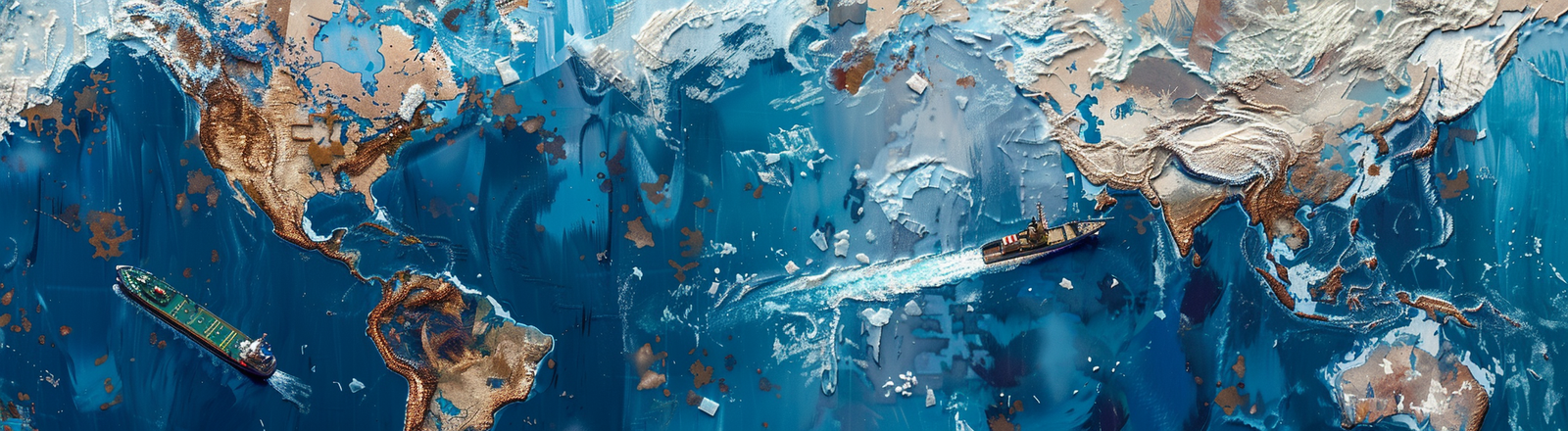
Today, a new chokepoint is emerging—not in the deserts of Egypt or the tropics of Southeast Asia, but across the ice-laden waters of the Arctic. As climate change accelerates, once-impenetrable sea ice is retreating, exposing routes that were for centuries the stuff of explorers’ fantasies. The “Northern Sea Route” along Russia’s Siberian coast and the elusive “Northwest Passage” across Canada’s Arctic Archipelago are becoming navigable for longer stretches each summer. Shipping firms calculate that a Rotterdam–Shanghai voyage could be shortened by up to two weeks. In an age where days translate into millions, that is not a marginal gain; it is a strategic revolution.


Chokepoints Reborn: From Suez and Malacca to a Melting Arctic Read More »

u7996237426 a futuristic cityscape split screen style left si a19b7b90 71da 482c be35 97b969ad15bc 1

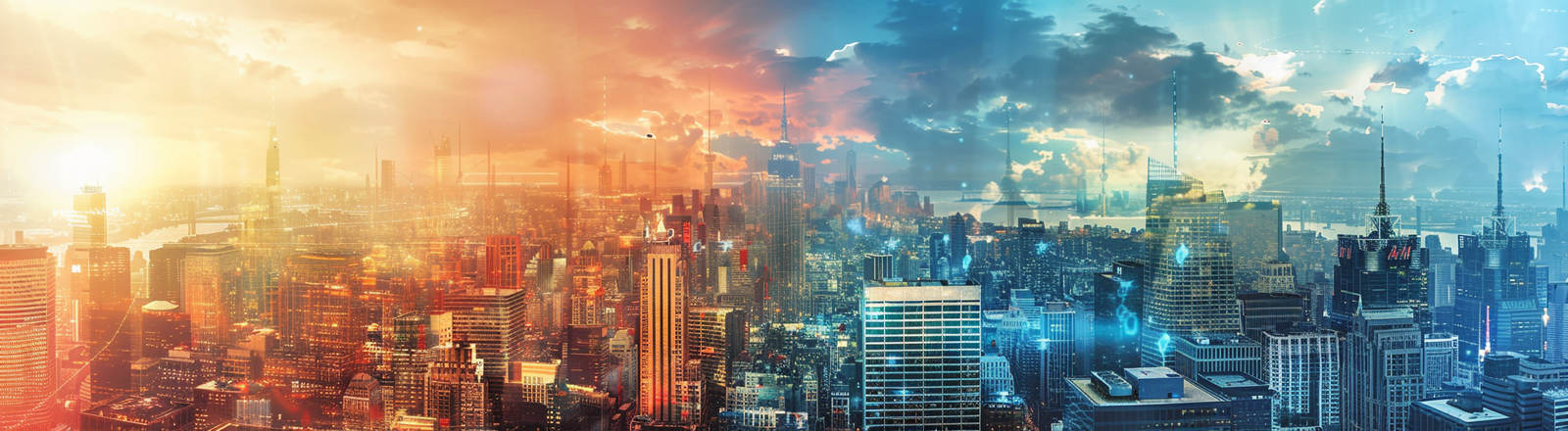
Downscaling the Future: How Hyperlocal Climate Models Rewrite City Policy

Climate change often feels like a story told at the planetary scale: degrees of global warming, sea levels rising worldwide, models projecting to the year 2100. But for a city planner deciding whether to expand storm drains or plant more trees, those planetary averages are too blunt an instrument. What they need is not a forecast for the Earth, but a forecast for their neighborhood.

That’s where “downscaling” comes in. It’s the scientific process of taking coarse global climate models—think of them as the blurry outlines of a weather map—and sharpening them to the resolution of a city block. Instead of predicting rainfall shifts across an entire continent, downscaled models can estimate how a thunderstorm might behave in a single metropolitan basin.

Downscaling the Future: How Hyperlocal Climate Models Rewrite City Policy Read More »

u7996237426 a ceremonial return of an artifact in an african 30c0aec7 05ea 424a ab50 e51ef6c219fe 2

After Repatriation: What Returns Mean for Living Communities

In a small courtyard in Benin City, Nigeria, the air thick with incense and drumbeats, a bronze head was lowered onto a woven mat. It had traveled for more than a century—from palace to colonial ship, from European museum to climate-controlled gallery—and now, finally, back home. The gathered crowd did not whisper the language of “cultural property” or “collection management.” They spoke instead of ancestors, of repair, of voices long silenced.

Repatriation is often framed in the language of restitution: the object as evidence of historical theft, the return as moral correction. Yet in the lives of communities, return is not only an act of closing the past. It is also an opening—a re-entry of ritual power, of livelihoods, of contested authority.

After Repatriation: What Returns Mean for Living Communities Read More »

u7996237426 a scorching city street contrasted with lush gree a132b3ec 9222 443e 8b07 08236b862556 2

Shade Is Infrastructure: Designing Cities to Survive Heat

This summer, Phoenix recorded 31 consecutive days above 110°F. In Delhi, rooftop temperatures climbed so high that tin-sheet housing warped. Paris, once known for temperate summers, is rewriting building codes to address lethal heat waves. Around the world, cities are learning a hard truth: extreme heat is not just uncomfortable, it is deadly.

Yet most urban policy still treats shade as an amenity rather than infrastructure. Trees are considered beautification, awnings a design flourish, green canopies an afterthought in the fight for limited budgets. The result is predictable: wealthier neighborhoods enjoy leafy streets and shaded parks, while low-income residents endure what researchers call the “heat gap”—a measurable difference in ambient temperature that maps almost perfectly onto race and income.

Shade Is Infrastructure: Designing Cities to Survive Heat Read More »

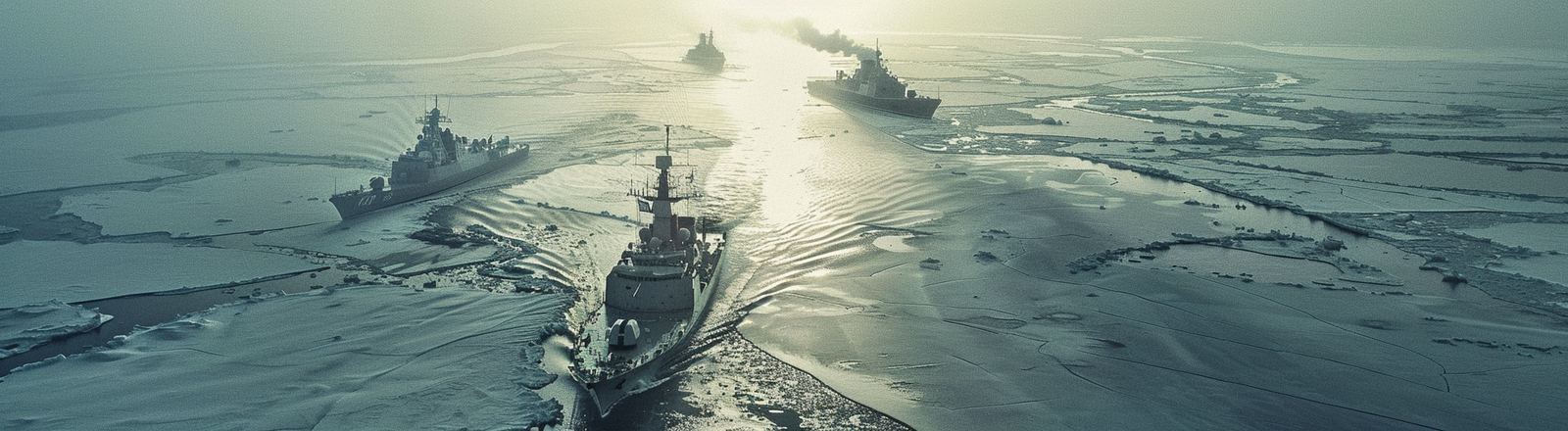
Echoes of the Great Game in the Arctic’s New Cold War

In the nineteenth century, British and Russian envoys maneuvered across the mountains and deserts of Central Asia in a high-stakes contest for influence. Historians would later call it the Great Game—a slow, deliberate rivalry fought not only with armies but with maps, treaties, and the quiet presence of explorers who were never merely explorers.

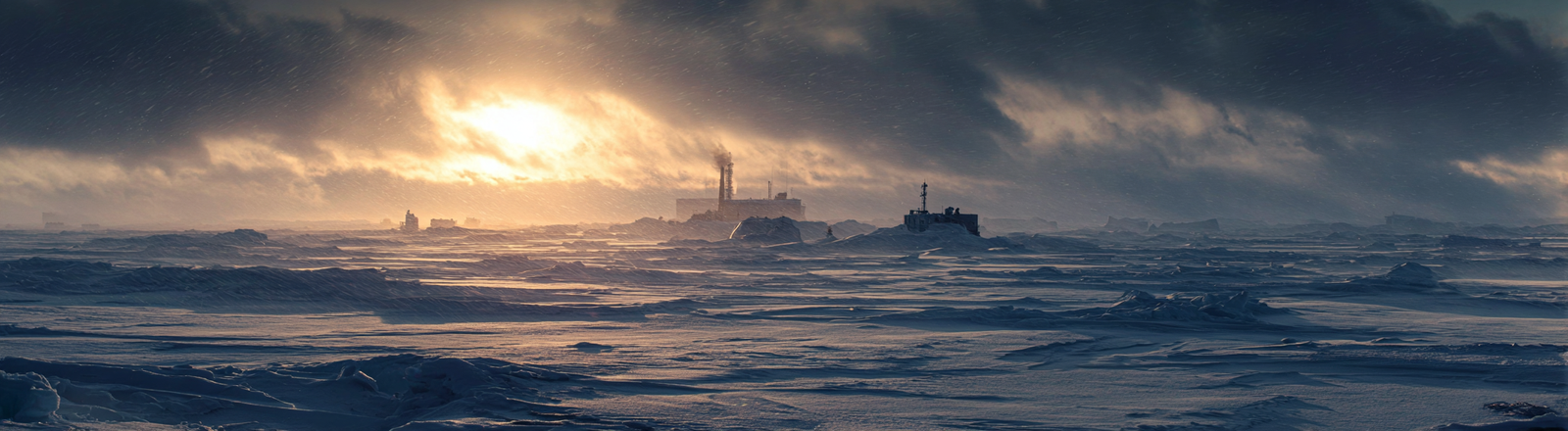
Today, the terrain has shifted thousands of miles north, but the strategic logic feels eerily familiar. The Arctic—once a frozen backwater of geopolitics—has become a contested frontier, where climate change has unlocked both navigable waters and the mineral riches beneath. The actors are different, the tools more sophisticated, but the underlying game—competition for access, influence, and security—is playing out again.

Echoes of the Great Game in the Arctic’s New Cold War Read More »