business

cultural diversity in workplace inclusion cinemat 52aa2b71 65e6 4d33 a423 b77363a59f15 0

Cultural Diversity in Workplace Inclusion: Why True Belonging Drives Success

In today’s interconnected economy, Cultural Diversity in Workplace Inclusion is more than a corporate talking point—it is a structural necessity that shapes innovation, retention, and organizational resilience. Companies that actively embed cultural diversity in workplace inclusion within their culture see not only moral and social gains, but also measurable advantages in creativity and performance. When inclusion is reduced to a checkbox or compliance exercise, the result is token representation without belonging. But when done authentically, it can reconfigure the way we understand work, identity, and community.

Cultural Diversity in Workplace Inclusion: Why True Belonging Drives Success Read More »

u7996237426 cinematic editorial photo of a corporate skyscrap 0acb9ded d03a 48bc 91d0 bb5715629b3d 0

Boardroom Borders: When Multinationals Become Shadow States

A decade ago, Apple’s market capitalization quietly surpassed the GDP of Denmark. Today, more than a dozen corporations command revenues larger than most national economies. Their decisions—on wages, logistics, and data flows—shape the daily lives of millions across borders. Yet these choices are not subject to democratic vote, only to shareholder approval. In this asymmetry lies a growing reality: multinationals function less as companies and more as shadow states.

Boardroom Borders: When Multinationals Become Shadow States Read More »

u7996237426 a dramatic editorial illustration of digital liqu 8376e1a2 2d9e 455a a855 6387373e11f4 3

Liquidity Traps in the Digital Age

For much of the twentieth century, central banks wielded a predictable toolset: cut interest rates to spur lending, raise them to cool inflation. Beneath the technical maneuvers lay an assumption of control—that capital moved slowly enough, and credit demand was elastic enough, for monetary nudges to shape the real economy. In the digital age, that assumption is eroding. Liquidity no longer behaves as it once did, and the classic “liquidity trap” is returning in a new guise.

Liquidity Traps in the Digital Age Read More »

u7996237426 a rural farming valley at dusk golden fields fadi 7e939a4c 1a3b 4abd 84c8 c6e80f5ede3f 2

After the Harvest: Farming Communities in the Age of Perpetual Wildfire

On the edge of California’s Central Valley, the fields are golden and dry by late summer, a brittle patchwork stitched together by irrigation canals. For generations, the harvest season here has ended with community festivals—parades of tractors, pie contests, and proud displays of yield. But in recent years, celebration has given way to vigilance. As the last trucks roll out of the fields, residents scan the horizon for smoke. The season of bounty is now immediately followed by the season of fire.

After the Harvest: Farming Communities in the Age of Perpetual Wildfire Read More »

u7996237426 dusty rural main street with a cracked dry riverb 875e14e6 89b3 4f6b 95e8 38cb4da585d2 1

The Drought Economy: Can Small Towns Survive When Water Becomes Currency?

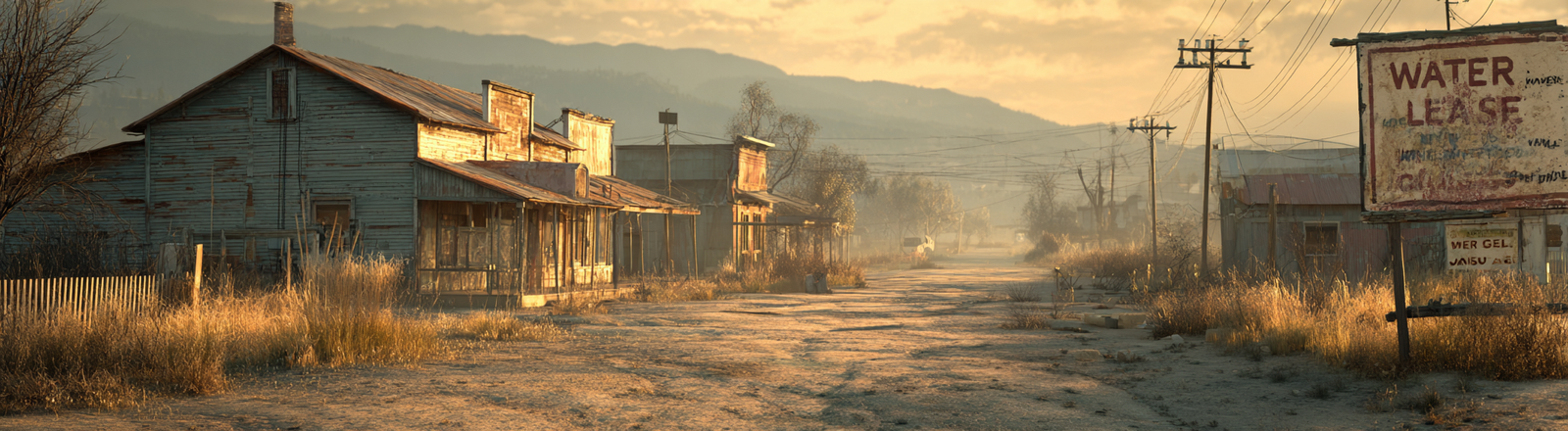
On the outskirts of a parched town in western Kansas, a hand-painted sign reads: “Water for Lease — Call Jim.” It hangs beside a field where wheat once grew, now cracked into a jigsaw of dust. Here, water is no longer just a necessity; it is a commodity, traded, hoarded, and leased like land. As drought deepens across America’s heartland, rural communities are discovering what it means when water becomes currency — and the bargain is rarely fair.

The Drought Economy: Can Small Towns Survive When Water Becomes Currency? Read More »

u7996237426 a cinematic editorial image of endless midwestern aa2eb2fe ac47 4d02 8975 722ccec85dde 3

The Corn Belt’s Carbon Brokers

On a humid July morning in central Iowa, farmer Tom Anderson kneels in his soybean field, pressing a spade into dark soil. The company rep beside him doesn’t ask about yields or fertilizer costs. Instead, he checks the depth of root systems, the carbon content logged in recent tests, and the GPS-tagged plot boundaries. This is no ordinary farm inspection—it’s a carbon audit. Anderson is not just selling beans this year. He’s selling the air his soil has managed to trap.

The Corn Belt’s Carbon Brokers Read More »

u7996237426 cinematic city street with buses bike lanes and t fc6bd734 e0f8 4f3c bf25 35b426909f16 2

Transit Reparations: Redesigning Mobility for the Marginalized

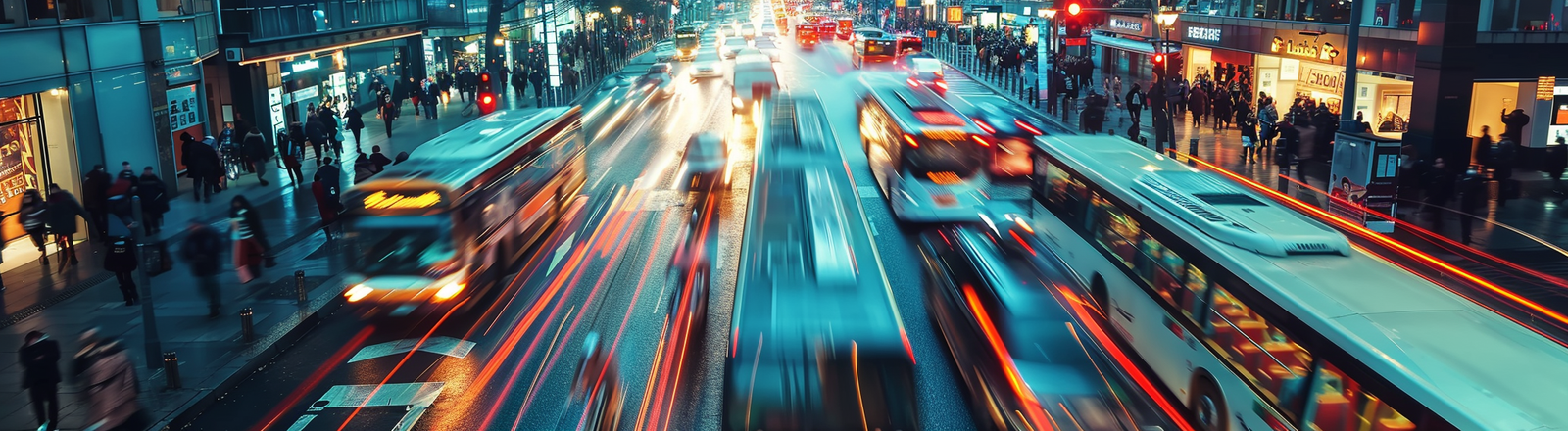
In American cities, maps of public transit often double as maps of inequality. Bus routes thin out in low-income neighborhoods. Subway stations cluster near business districts while bypassing entire communities. Sidewalks and bike lanes vanish at city borders. The result is not just inconvenience—it is exclusion. For decades, mobility has been rationed by race, class, and geography. The question now is whether transportation can be redesigned not only as infrastructure, but as restitution.

Transit Reparations: Redesigning Mobility for the Marginalized Read More »

u7996237426 a giant biometric scanner with a glowing human fa b3f15c87 3564 4434 b665 4adb22a37aee 3

Passwordless, Priceless? The Hidden Risks of a Biometric Internet

For decades, the humble password has been the gatekeeper of our digital lives. Clumsy though it was—reused, forgotten, scribbled on sticky notes—it had one advantage: it could be changed. When compromised, you could burn it down and start again.

Now, tech companies promise a sleeker, safer future: the passwordless internet. Apple, Microsoft, and Google are pushing “passkeys”—cryptographic tokens tied to a device or biometric signature. Instead of typing in “P@ssw0rd123,” you log in with a fingerprint, a face scan, or a hardware key. Faster, frictionless, more secure.

Passwordless, Priceless? The Hidden Risks of a Biometric Internet Read More »

Why the Gig Economy’s Second Act Could Be Worse Than the First

When the gig economy burst onto the scene in the early 2010s, it came wrapped in the language of freedom. Be your own boss. Set your own hours. Work from anywhere. For a while, it felt like a bargain—especially for people shut out of traditional jobs or looking to make ends meet on their own terms.

But beneath the app-based convenience, the first act of the gig economy carried hidden costs: income instability, lack of benefits, algorithmic control. Many workers discovered that “flexibility” could mean unpredictable schedules and “independence” often came without a safety net.

Now, as the sector evolves, we’re entering what I call the second act—and the warning signs suggest it may be even harsher than the first.

Why the Gig Economy’s Second Act Could Be Worse Than the First Read More »

u7996237426 Ultra wide cinematic image of a Caribbean financi ef32378e 71dd 45b2 9709 439c6fc99435 1

The Quiet Collapse of Offshore Banking Havens

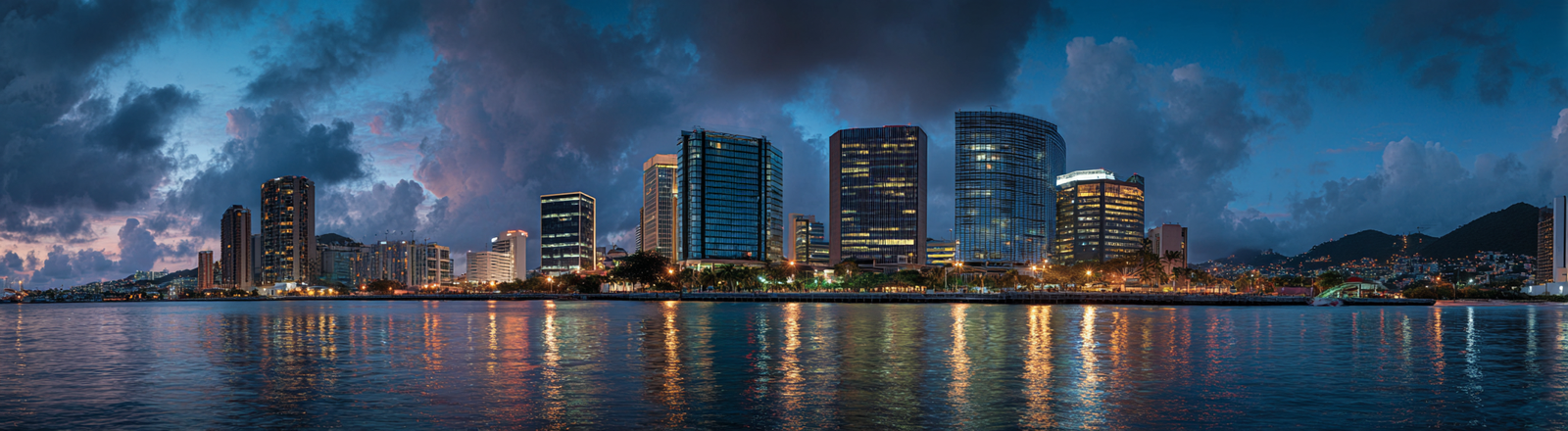
For decades, offshore banking havens—those small jurisdictions where capital could slip in quietly and taxes barely whispered its name—were fixtures of the global financial landscape. The British Virgin Islands, the Cayman Islands, Panama, Liechtenstein: they were more than tropical postcards and mountain chalets. They were nodes in a shadow network moving trillions of dollars across borders with minimal oversight.

That network is now shrinking—not with a bang, but with the steady grind of international regulation, transparency agreements, and political pressure. The collapse is quiet, but its effects are profound.

The Quiet Collapse of Offshore Banking Havens Read More »