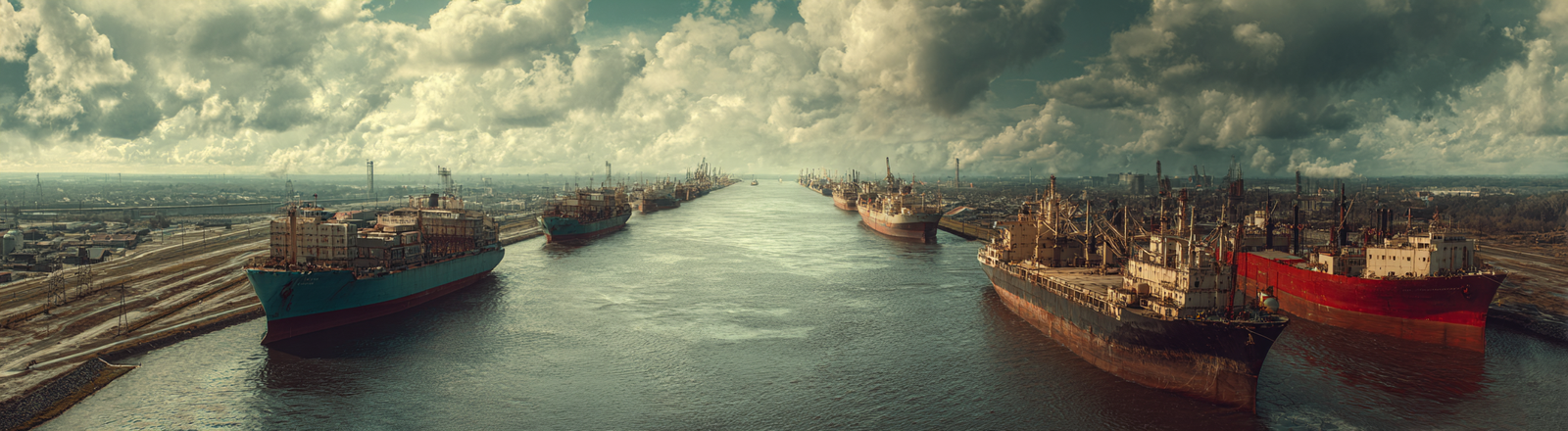
At dawn on October 29, 1956, Egyptian forces detonated explosives along the banks of the Suez Canal. The blast reverberated across the Cold War world: Britain and France, fearing for their oil lifeline, would soon invade; the United States, alarmed at Soviet maneuvering, would force them back. A single narrow waterway had plunged empires into crisis.
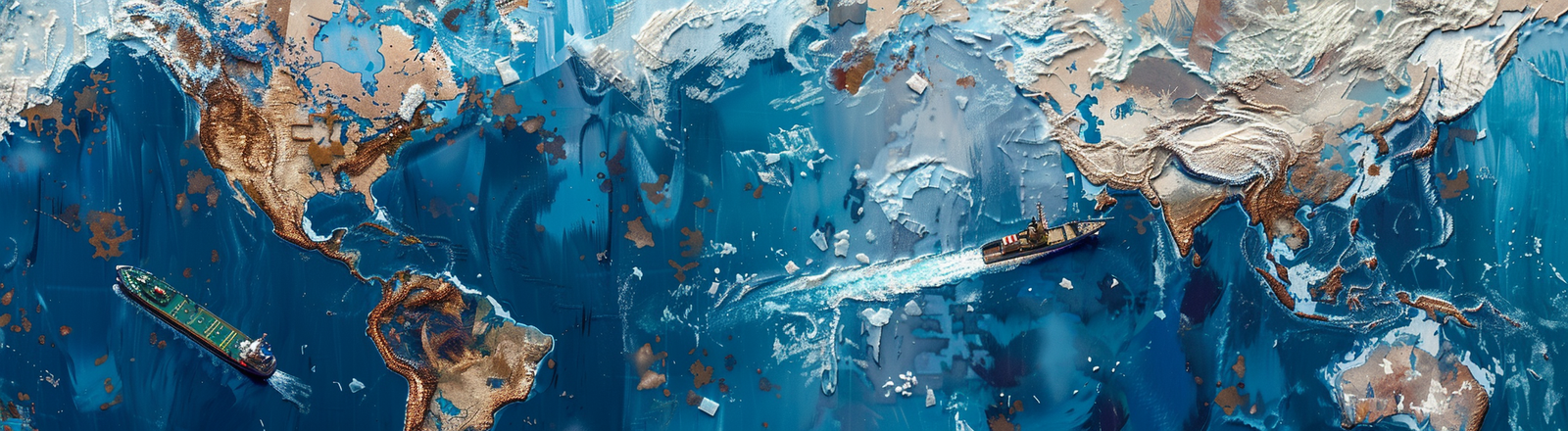
The drama of Suez was not unique. Maritime chokepoints have always been levers of power disproportionate to their geography. The Strait of Malacca, scarcely 1.7 miles wide at its narrowest, has determined the fortunes of kingdoms from Srivijaya to Singapore. The Dardanelles, gateway between the Mediterranean and Black Sea, helped trigger the Gallipoli campaign of 1915. Whoever commands the bottlenecks of the world commands trade, energy, and, often, history itself.
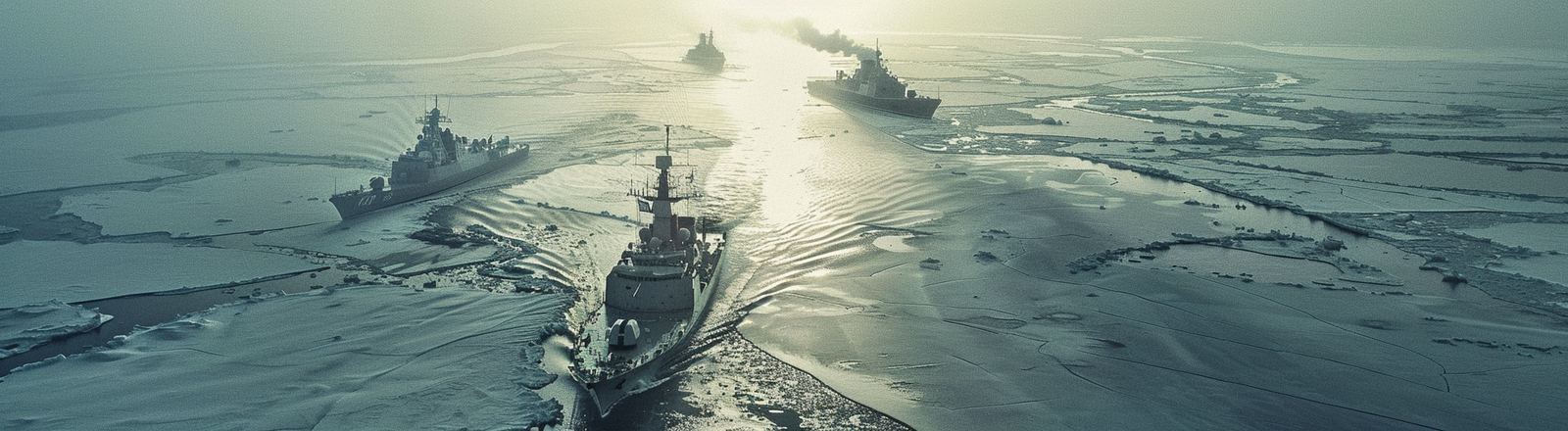
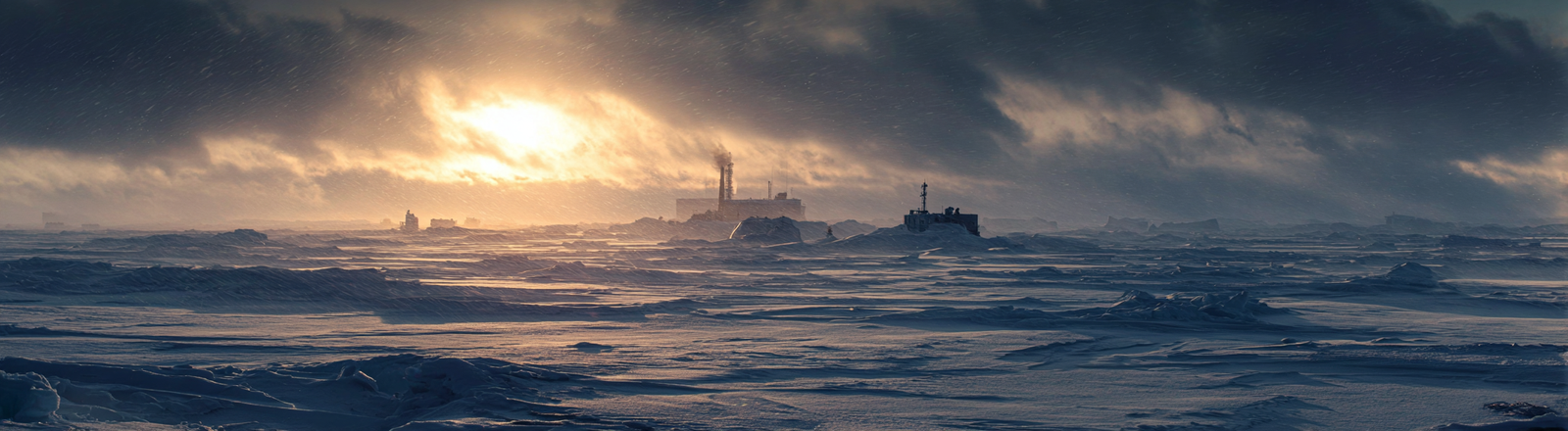
Today, a new chokepoint is emerging—not in the deserts of Egypt or the tropics of Southeast Asia, but across the ice-laden waters of the Arctic. As climate change accelerates, once-impenetrable sea ice is retreating, exposing routes that were for centuries the stuff of explorers’ fantasies. The “Northern Sea Route” along Russia’s Siberian coast and the elusive “Northwest Passage” across Canada’s Arctic Archipelago are becoming navigable for longer stretches each summer. Shipping firms calculate that a Rotterdam–Shanghai voyage could be shortened by up to two weeks. In an age where days translate into millions, that is not a marginal gain; it is a strategic revolution.