By Dr. Aisha Thornton
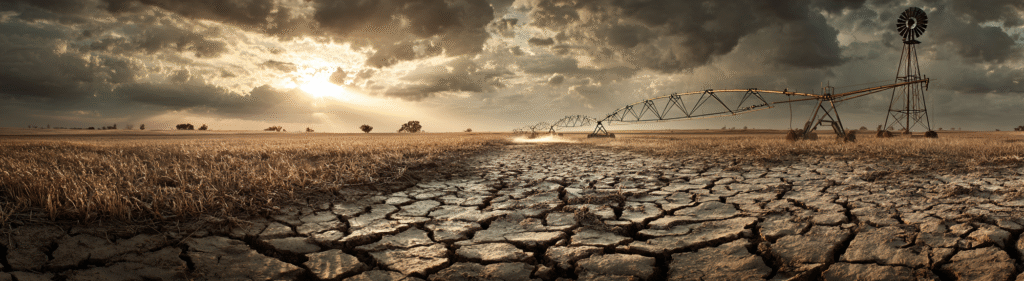
In the summer of 2023, Phoenix endured 31 consecutive days above 110°F. The headlines focused on broken records. The overlooked story was whose lives were at risk. Hospital admissions for heat stroke and dehydration came disproportionately from low-income neighborhoods—places with sparse tree cover, older housing stock, and few public cooling centers. Extreme heat is no longer just a weather anomaly. It is a civil rights issue, determining who gets to survive and thrive in the urban century.
Heat Is Not Evenly Shared
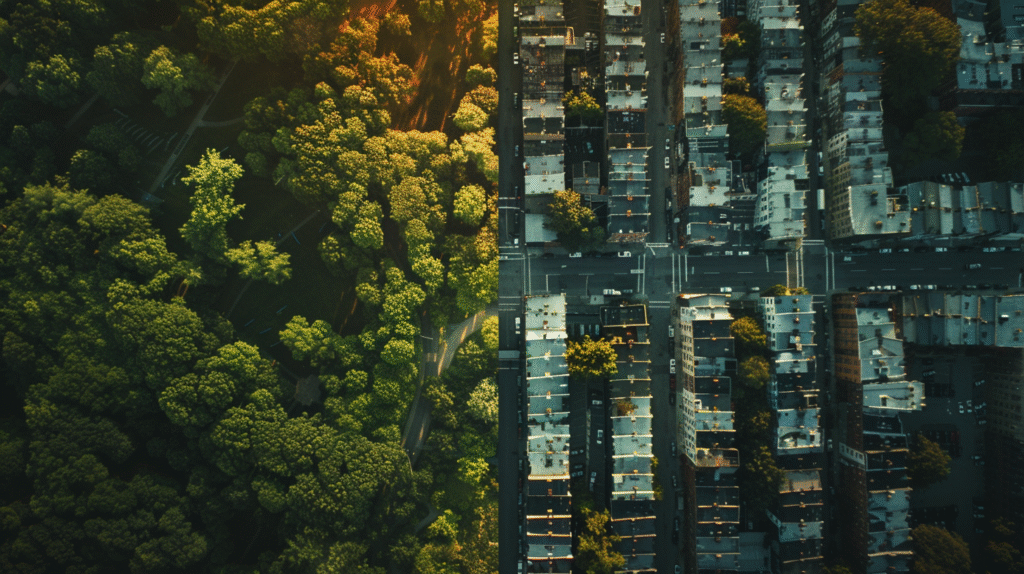
Satellite imagery makes the divide stark. Wealthier neighborhoods, shaded by tree canopies and cooled by parks, can register temperatures up to 15 degrees lower than nearby asphalt-laden blocks. A study of 108 U.S. cities found that historically redlined areas—neighborhoods denied investment for decades—are today the hottest urban zones. Heat follows history. The very policies that entrenched segregation now translate into measurable differences in temperature and health outcomes.
Heat waves kill more people in the United States each year than hurricanes, tornadoes, or floods. Yet disaster declarations rarely capture this slow violence. When cooling is treated as a luxury rather than a right, the urban heat island becomes a map of inequality.
Cooling as Infrastructure
The solutions exist. Tree planting is not cosmetic; it is life-saving. A single mature tree can cool its surroundings by up to 10°F. Retrofitting roofs with reflective materials, redesigning streets with permeable surfaces, and expanding access to public transit all lower neighborhood heat loads. Cities from Los Angeles to Louisville have demonstrated measurable success with targeted interventions.
But cooling must be planned as infrastructure, not charity. Air-conditioner donation drives, while valuable, do not address systemic disparities in energy costs or housing quality. Equitable cooling requires integrating shade, airflow, and green space into zoning codes, capital budgets, and climate resilience plans.
Who Gets Protection?
The question is not only what works, but who gets it first. Without deliberate policy, urban cooling projects can reinforce the very inequities they aim to solve. Parks and greenways may boost property values and accelerate gentrification, pushing vulnerable residents out. Subsidized energy programs may miss renters who lack control over their buildings. Effective justice in heat adaptation means centering the voices of those most exposed, designing with rather than for communities.
A Civil Rights Framework
Framing heat as an equity issue reshapes the conversation. Just as the fight for clean water in Flint, Michigan, became inseparable from civil rights, so too must urban cooling. Access to breathable air, safe housing, and survivable temperatures should not depend on zip code.
We are entering an age where climate resilience is the measure of justice. If cities fail to address the heat map divide, the right to survive the summer will become yet another line along which inequality hardens. The next civil rights frontier may well be shade.