By Dr. Leila Mbaye
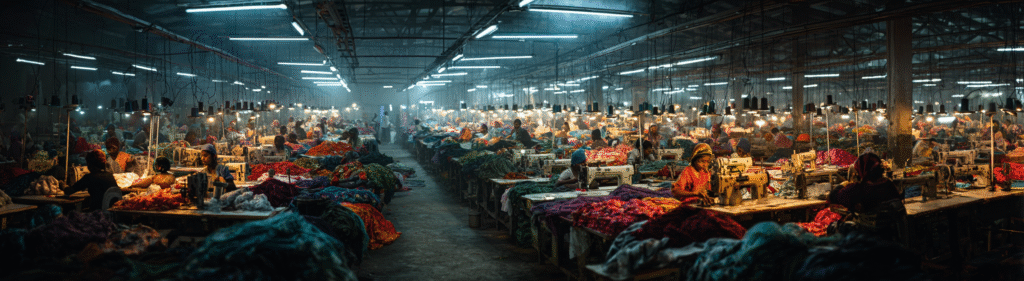
In the narrow backstreets of Dhaka, where sewing machines hum in uneven chorus, the story of global fashion is stitched together one seam at a time. But it is a story few consumers will ever hear. The garments that arrive folded in tissue and displayed under soft lights are silent about the hands that made them, the places they traveled through, and the lives that shaped them.
Yet every shirt, every dress, carries a hidden narrative—if we know how to listen.
Threads as Testimony
The women bent over cutting tables in Tiruppur, the embroiderers in Fez, the dyers in Jakarta: each is an archivist of skill, culture, and survival. They carry techniques passed down through generations, even when those techniques are pressed into the service of fast fashion’s relentless pace.
In Morocco, I once met an embroiderer named Salma, whose grandmother taught her stitches so intricate they looked like calligraphy. Today, she uses the same skill to decorate polyester blouses bound for chain stores in Europe. The thread is the same; the story has changed.
The Erasure in the Middle
Global supply chains have a talent for invisibility. By the time a garment reaches the consumer, it has passed through so many hands—designers, subcontractors, freight forwarders, warehouse workers—that the human origins blur into abstraction. Corporate audits may note “ethical compliance” or “zero tolerance for forced labor,” but these documents read like ledgers, not like lives.
And in that erasure, something is lost: the connection between cultural identity and the things we wear.
The Storytelling We Don’t See
Fashion is often spoken of as a form of self-expression. But whose expression does a factory-made T-shirt represent? The consumer’s choice? The brand’s vision? Or the cumulative knowledge and compromise of the people who made it possible?
A Bolivian weaver once told me, “Our patterns are like our names.” In her cooperative, ancient geometric designs are adapted into modern jackets for export. Buyers see them as “bohemian chic.” To her, they are her grandmother’s fingerprints, traveling across oceans without context.
Toward an Ethical Narrative
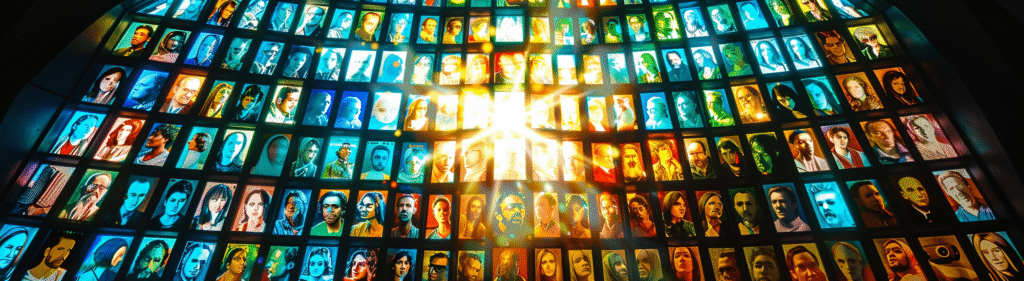
Ethical fashion movements often focus on wages, working conditions, and environmental standards—vital issues, all. But they rarely address the narrative gap: the absence of worker and artisan voices in the fashion story. Transparency initiatives like QR codes that trace a garment’s journey are steps forward, but they must go deeper than logistics. They should carry interviews, photographs, and histories that remind us of the people behind the product.
Some brands have begun experimenting. A Ghanaian label I visited includes hand-signed tags from the seamstresses who finish each piece. It’s a modest gesture, but in an industry designed to flatten individuality, it feels radical.
Listening With Our Eyes
We cannot change the global fashion system overnight. But as consumers, we can train ourselves to see clothing as more than fabric and fit. We can ask who made this, where, and with what story in their hands.
The invisible storytellers of the global supply chain do not stop speaking. It is we who must learn to listen.