By Ronan Pierce
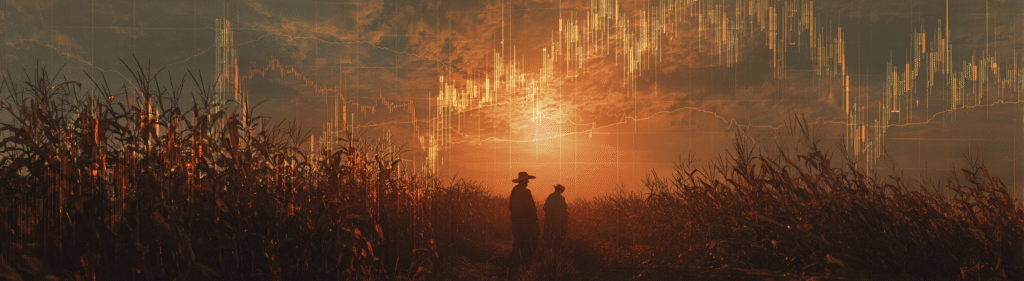
On a humid July morning in central Iowa, farmer Tom Anderson kneels in his soybean field, pressing a spade into dark soil. The company rep beside him doesn’t ask about yields or fertilizer costs. Instead, he checks the depth of root systems, the carbon content logged in recent tests, and the GPS-tagged plot boundaries. This is no ordinary farm inspection—it’s a carbon audit. Anderson is not just selling beans this year. He’s selling the air his soil has managed to trap.
The Promise of a New Market
Carbon credits, once the province of multinational energy companies, are now trading in the farm belt. Corporations seeking to offset emissions pay farmers to adopt practices—cover crops, no-till cultivation, rotational grazing—that lock carbon in the ground. A ton of carbon sequestered becomes a line item on a balance sheet in New York or San Francisco. For farmers battered by price swings and volatile weather, the pitch sounds like salvation: earn money not just from what you grow, but from how you grow it.
Middlemen in the Fields
Yet in towns across Iowa, Illinois, and Nebraska, skepticism runs deep. The carbon credit market is young, opaque, and filled with intermediaries—brokerage firms that aggregate credits, verify practices, and resell them at a profit. Farmers whisper about neighbors promised $40 a ton while buyers in Europe paid twice that. Verification protocols are complex, requiring software subscriptions and satellite imaging that few family farms can navigate alone. “It feels like Wall Street moved into my barn,” one farmer told me, “and I’m the tenant.”
Who Reaps the Rewards?
Rural towns hope carbon markets might revive economies hollowed out by consolidation. But so far, benefits remain uneven. Large agribusinesses with thousands of acres can scale up quickly, while smaller farms face steep compliance costs. Local governments worry that the promised dollars will leak out through brokers’ fees and corporate contracts, leaving little for schools, clinics, or main streets. The fear is familiar: another boom designed elsewhere, with profits flowing outward and risks rooted locally.
Measuring More Than Carbon
The science, too, is unsettled. Soil carbon can vary dramatically from one acre to the next. A drought year can undo years of careful practice. And unlike smokestacks, soil is a living system—hard to measure, harder to guarantee. Critics warn that companies buying credits may be purchasing illusions: offsets that look good on sustainability reports but do little to slow climate change.
A New Kind of Bargain
Still, for farmers like Anderson, the market feels worth the gamble. Carbon checks help cover seed costs; they keep machinery running for another season. But the larger question remains unresolved: will the Corn Belt’s role in the climate fight build lasting prosperity for rural America, or will it repeat the pattern of extraction in new clothes?
As Anderson wipes his hands and surveys his fields, the promise of carbon as a crop is palpable. Yet the air of uncertainty is just as thick as the summer humidity—a reminder that in the rush to monetize carbon, it’s not clear who will truly own the harvest.