By Dr. Celeste Rahman
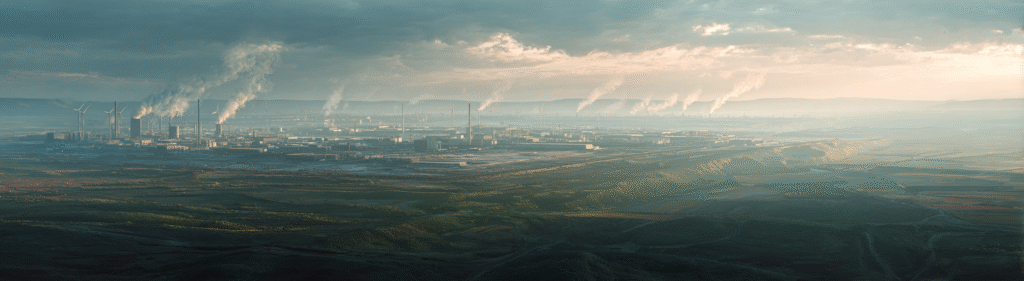
In the Midwest, empty factories once built cars and appliances. Today, many of those same towns are luring battery plants and lithium processors with tax breaks and the promise of green jobs. Politicians call it the “Battery Belt”—a rebirth of industrial America, powered not by coal and steel but by electric cars and grid storage. Yet for residents, the transformation raises an uneasy question: is the clean energy revolution simply swapping one extractive industry for another?
A Green Boom with Old Echoes
The scale of the investment is staggering. In the United States alone, more than $70 billion has been pledged for new gigafactories and processing facilities. Similar projects are breaking ground in Europe and Asia. The aim is clear: to reduce dependence on fossil fuels by electrifying everything from cars to heating systems. But the materials these batteries require—lithium, cobalt, nickel, manganese—are mined in ways that often resemble the dirty industrial past the green transition is supposed to leave behind.
Communities in Nevada and North Carolina are already grappling with water shortages and land disputes as lithium exploration ramps up. Globally, cobalt mines in the Democratic Republic of Congo continue to rely on exploitative labor conditions. The paradox is stark: decarbonization depends on a new wave of resource extraction.
The Local Trade-Offs
For towns hosting gigafactories, the trade-offs are immediate and personal. Jobs are welcome in regions hollowed out by globalization. Yet residents often find themselves negotiating environmental risks they thought were behind them. Chemical leaks, heavy water use, and sprawling industrial footprints are not abstractions—they are visible in the aquifers, air, and zoning maps.
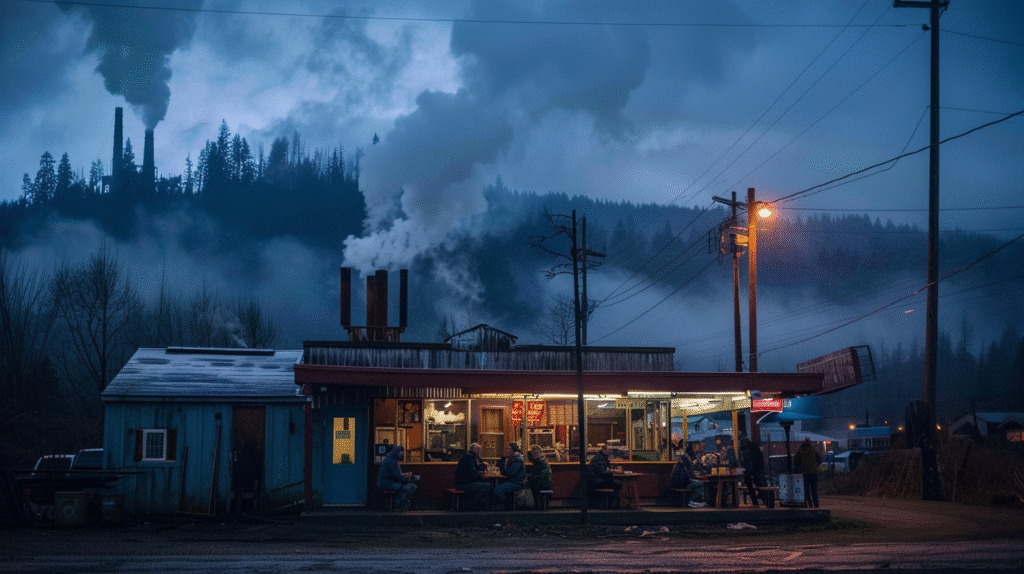
These communities are not anti-climate action. Many see themselves as frontline contributors to a global transition. But they also understand that being “green” on a planetary scale does not erase local costs. A battery plant may help reduce global emissions, yet for the town next to its smokestacks, the future looks uncomfortably familiar.
Rethinking the Supply Chain
The challenge is not whether to build the Battery Belt, but how. Circular economy models—recycling metals from old devices—can reduce demand for new mining. Smarter design can cut material intensity. And stronger labor and environmental standards can prevent a new underclass of “sacrifice zones” from forming.
The energy transition is not only a technological project but also a political and ethical one. If policymakers treat batteries as just another commodity, they risk repeating the very extractive patterns that created the climate crisis.
A Just Transition, Not Just a Transition
The Battery Belt is a symbol of hope and hazard. It could anchor a fairer industrial revival—one that provides dignified jobs while respecting ecological limits. Or it could harden into another era of boomtowns and busts, with communities left carrying the costs of other people’s consumption.
For all the talk of megawatts and gigafactories, the true test of the green transition will not be how many batteries we build. It will be whether the people who live beside them see a future that is not just powered—but genuinely sustainable.