travel

u7996237426 a stark urban landscape showing a long empty bus bf4e25f7 6d38 458c 8d3a 4d3364b64e0e 1

Transit Deserts: Mapping the Hidden Inequities of Mobility

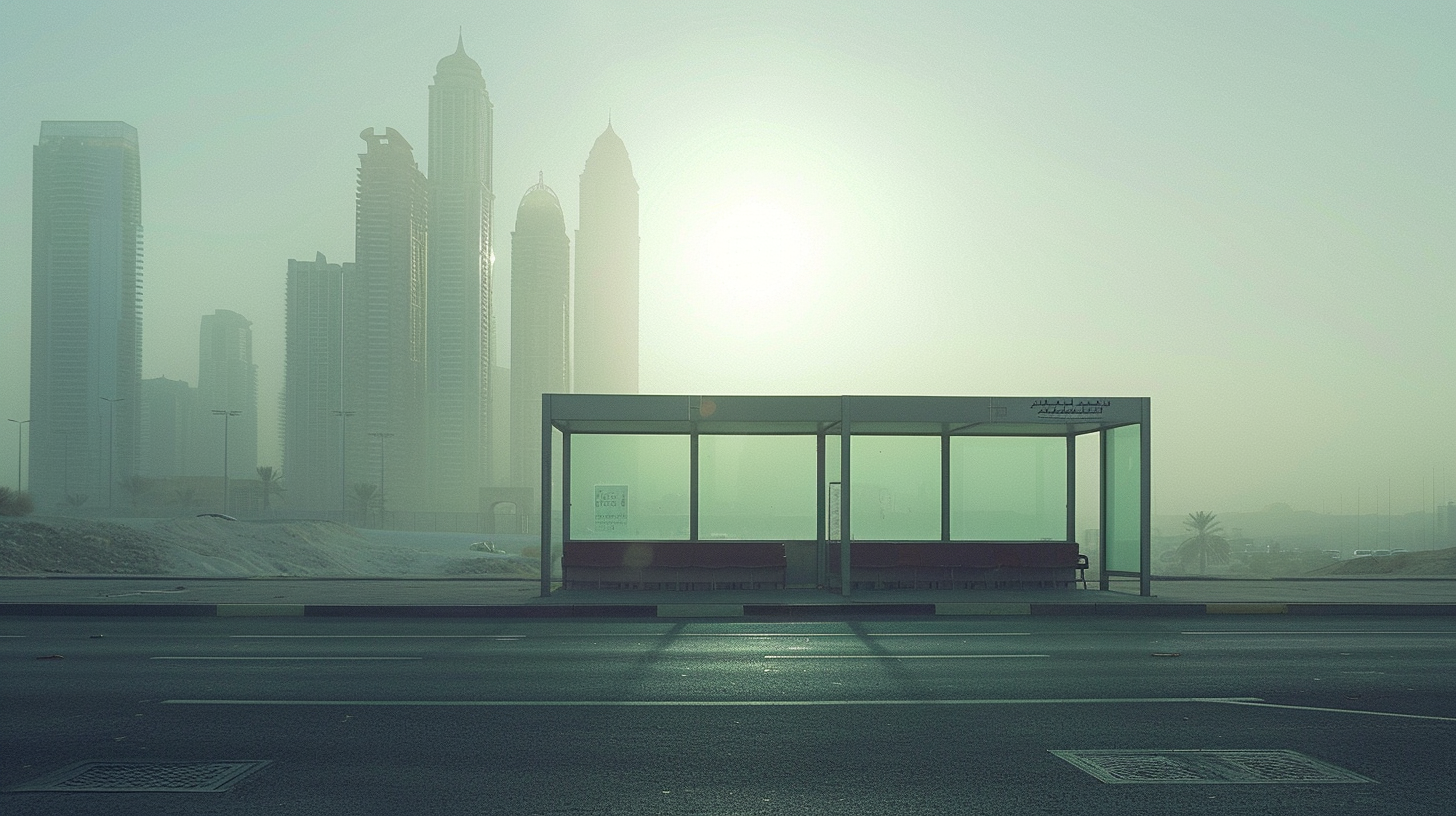
In many American cities, the absence of transit is as defining as its presence. Whole neighborhoods sit miles from reliable bus routes or rail lines, effectively cut off from jobs, schools, and health care. These “transit deserts” are not mere inconveniences; they are engines of inequality, silently scripting who has access to opportunity and who remains stranded.

Transit Deserts: Mapping the Hidden Inequities of Mobility Read More »

u7996237426 a futuristic checkpoint glowing with scanners fac 5c06c8a1 9654 4d13 b601 0d92151f8199 1

The Biometric Bargain: Trading Faces for Access

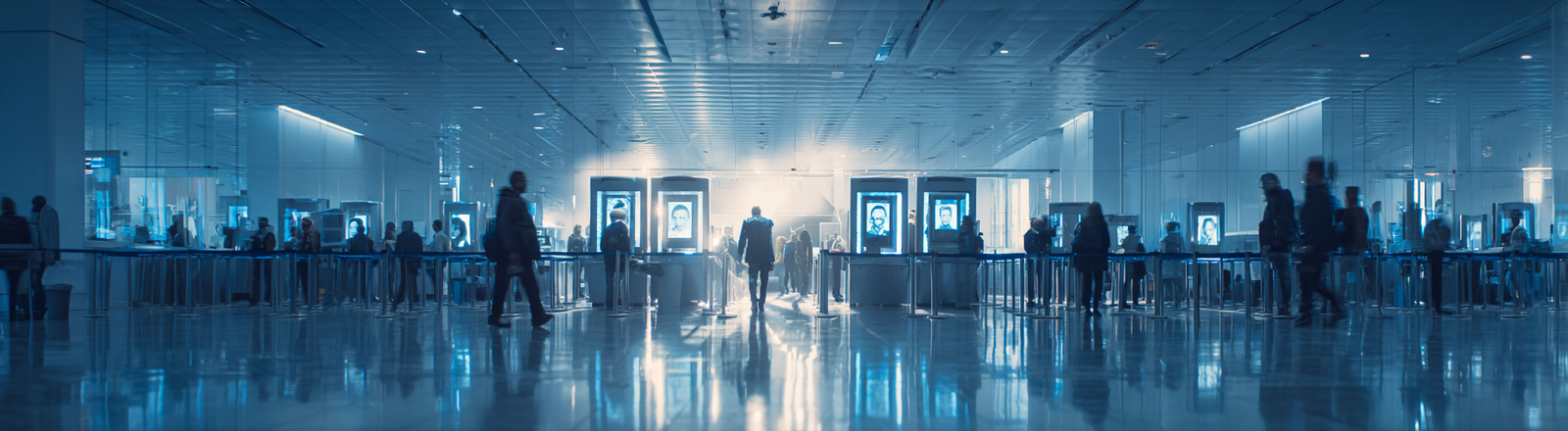
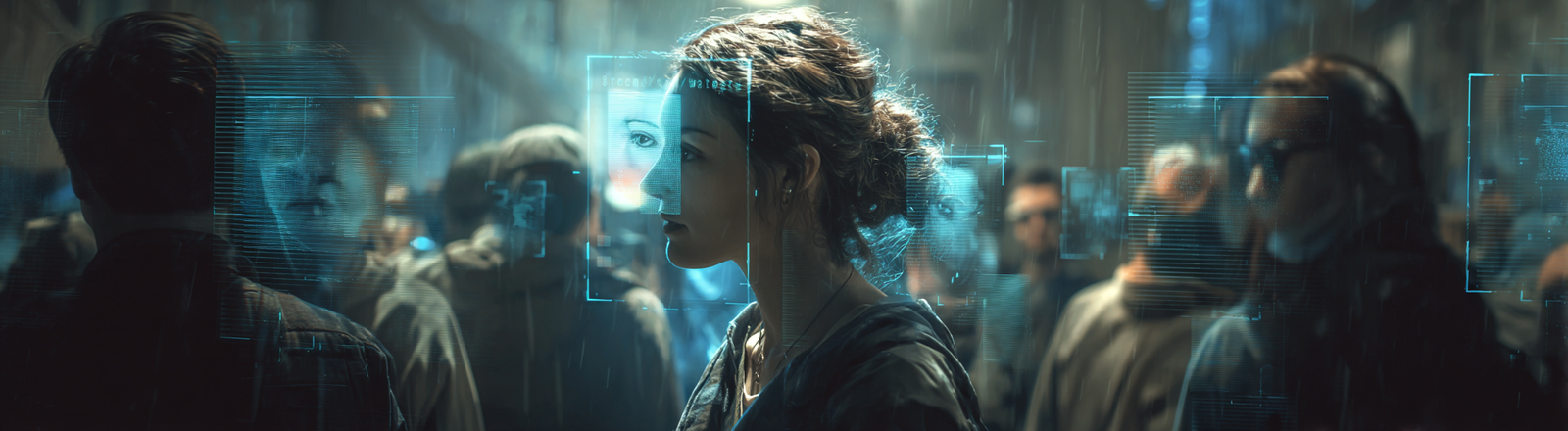
At the airport check-in kiosk, the stadium turnstile, even the neighborhood convenience store, a simple glance at a camera is increasingly enough to pass through. The promise is frictionless access: no tickets, no cards, no passwords. But behind the convenience lies a bargain—one most of us have not consciously struck. In trading faces for entry, we are normalizing a form of surveillance that is hard to roll back.

The Biometric Bargain: Trading Faces for Access Read More »

u7996237426 glowing fragments of code displayed in ornate rel 06fe5219 2bb9 403e bd77 5c80b87ea418 3

Digital Relics: When Code Becomes Sacred Artifact

In medieval cathedrals, pilgrims would travel for weeks to glimpse a bone fragment, a torn garment, or a vial of dust said to have touched the divine. Relics anchored belief not by their material worth but by the aura of contact they preserved—an index of proximity to something transcendent. Today, in the labyrinthine cathedrals of the internet, a new form of relic circulates. Screenshots, blockchain tokens, archived memes: artifacts of digital culture imbued with authority and, at times, sanctity.

Digital Relics: When Code Becomes Sacred Artifact Read More »

Biometric Borders: The Future of Travel or the End of Freedom?

At a growing number of airports, your face is now your boarding pass. A quick scan, a green light, and you’re waved through—no fumbling for IDs, no manual checks. To the weary traveler, it feels like a glimpse of the future: seamless, frictionless, efficient.

But this future carries a shadow. As biometric border systems spread—using fingerprints, iris scans, and facial recognition to verify identity—the convenience they promise comes with a question few passengers stop to ask: What happens to all that data, and who controls it?

Biometric Borders: The Future of Travel or the End of Freedom? Read More »

The Global Fashion Supply Chain’s Invisible Storytellers

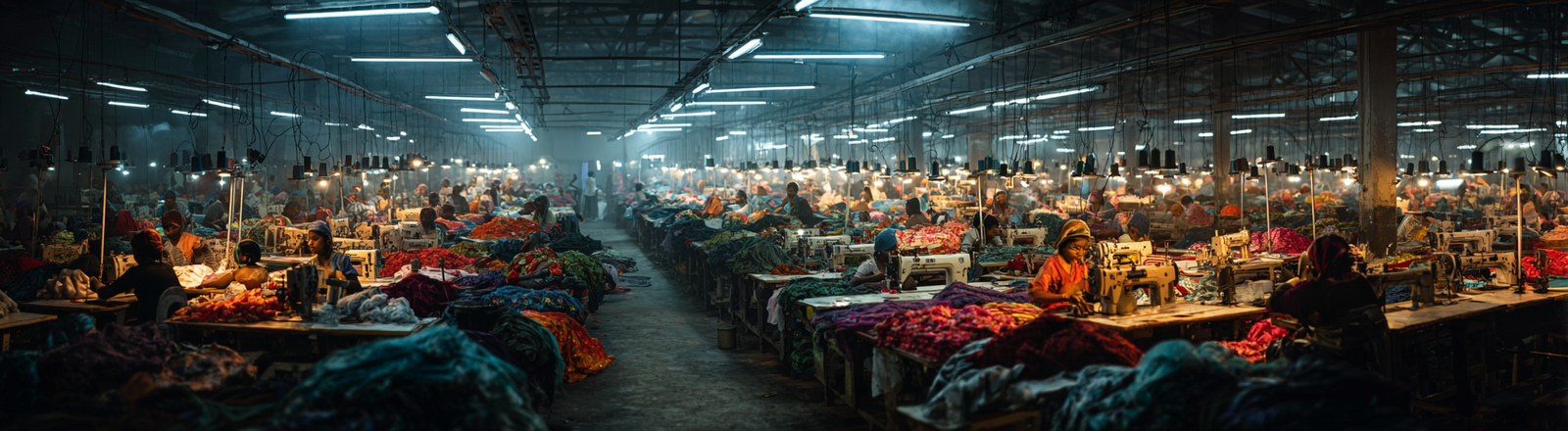
In the narrow backstreets of Dhaka, where sewing machines hum in uneven chorus, the story of global fashion is stitched together one seam at a time. But it is a story few consumers will ever hear. The garments that arrive folded in tissue and displayed under soft lights are silent about the hands that made them, the places they traveled through, and the lives that shaped them.

Yet every shirt, every dress, carries a hidden narrative—if we know how to listen.

The Global Fashion Supply Chain’s Invisible Storytellers Read More »

Transit Deserts: How Poor Public Transport Perpetuates Inequality

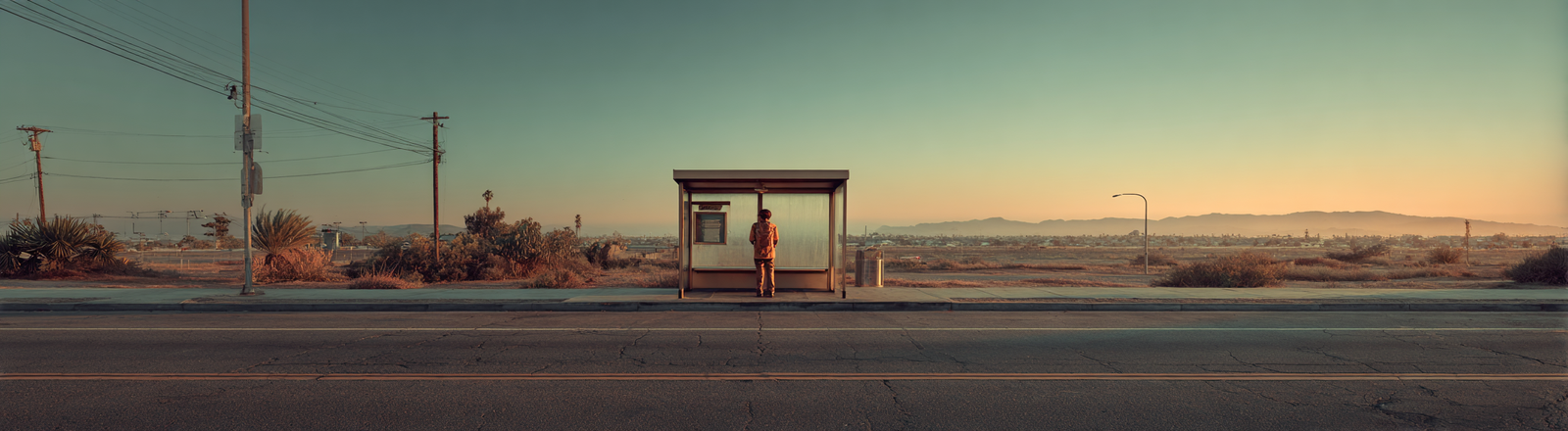
At 5:12 a.m. in Atlanta’s southwest corridor, Marlene waits for the first bus of the day. It’s scheduled for 5:20, but she’s learned not to trust the timetable — delays of 20 or 30 minutes are common. She works at a warehouse 12 miles away, a job that pays just above minimum wage. Without a car, she relies on a patchwork of buses and transfers. One missed connection can mean arriving late, losing hours, or even losing the job.

Marlene’s neighborhood is a transit desert: a place where public transportation is so limited, infrequent, or poorly connected that daily life becomes a logistical and financial strain. For millions in American cities, this is not just an inconvenience — it’s a structural barrier to opportunity.

Transit Deserts: How Poor Public Transport Perpetuates Inequality Read More »

u7996237426 ultra wide cinematic photograph of a rural landsc 9c53fa03 7e2f 4f0f befe 42496a5d954a 2

When Conservation and Livelihoods Collide

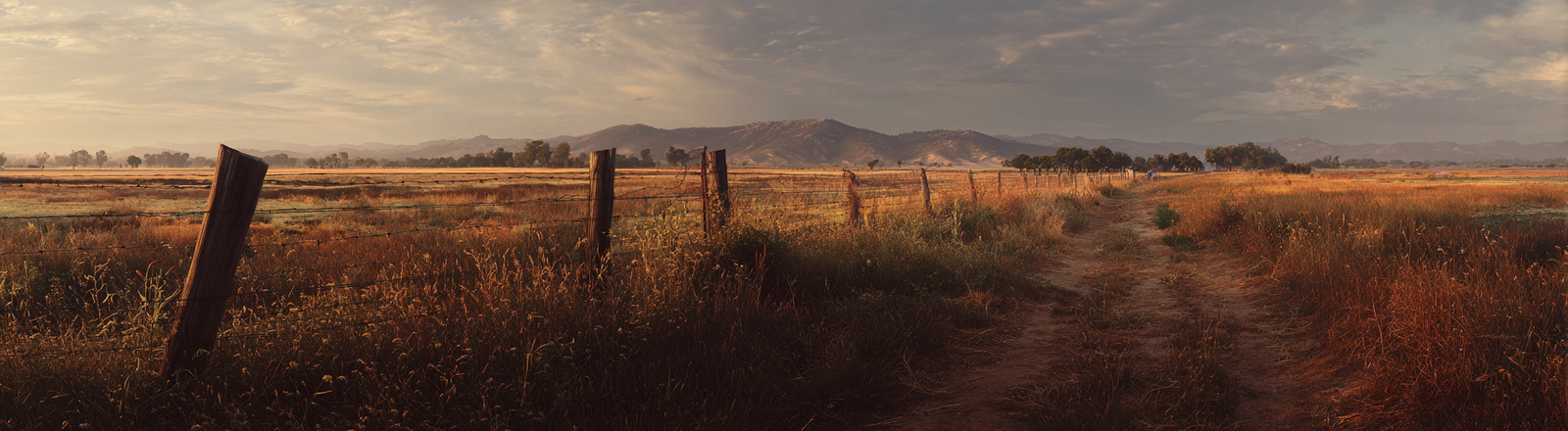
On the edge of Namibia’s Skeleton Coast, a rust-colored sunrise spills across the desert, painting the dunes in gold. Just beyond the park’s boundary, I meet Lena, a goat herder whose family has grazed this land for generations. From her yard, the horizon looks the same as it always has — except now, there’s a wire fence where there used to be open scrub.

That fence marks the start of a new conservation zone, created to protect endangered desert-adapted lions. It also cuts off one of Lena’s main grazing routes.

When Conservation and Livelihoods Collide Read More »

Algorithmic Borders: The Rise of Digital Immigration Control

The first checkpoint may no longer be a uniformed officer with a passport stamp. Increasingly, it is a silent algorithm, running on a remote server, deciding — in milliseconds — whether you will be waved through, delayed, or denied.

From visa applications to airport security screening, artificial intelligence is becoming the invisible gatekeeper of human mobility. Governments frame these systems as efficiency upgrades: faster queues, fewer errors, more “objective” decisions. But efficiency can also conceal a shift in power — and accountability — from human judgment to machine logic.

Algorithmic Borders: The Rise of Digital Immigration Control Read More »