russian

u7996237426 rows of glowing vaccine vials on a negotiation ta 0d409c78 0a02 44e9 84cb fe92842b04d6 1

Sovereignty in Syringes: When Health Aid Becomes Political Weaponry

In the first months of the COVID-19 vaccine rollout, one striking fact was not about science at all: more than 80 percent of doses had been secured by fewer than a dozen wealthy nations. Meanwhile, health workers in parts of Africa, Latin America, and Southeast Asia waited months, sometimes years, for the same protection. This was not a mere logistical hiccup. It was a vivid reminder that syringes and stockpiles can be wielded as instruments of power just as surely as oil pipelines or aircraft carriers.

Sovereignty in Syringes: When Health Aid Becomes Political Weaponry Read More »

u7996237426 a cinematic wide shot of a war era townhouse in l 44e1c728 5881 4412 8478 87934332de41 2

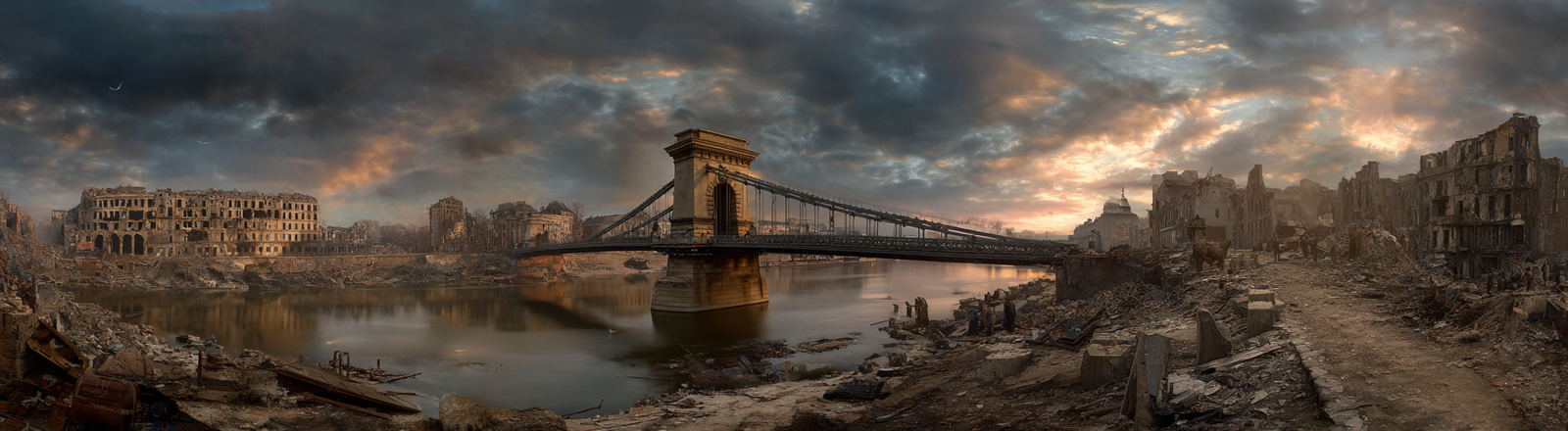
Empires in Exile: How Governments-in-Exile Shape Wars Without Borders

In a cramped London townhouse during the Blitz, the exiled leaders of Poland drafted communiqués to a homeland they could not reach. Across town, the Free French plotted sabotage with a sense of urgency that only distance could sharpen. Governments-in-exile, half-marginal and half-essential, occupied a paradoxical space in the 20th century: powerless on the ground yet potent in the realm of symbols, propaganda, and international legitimacy. Their presence reminds us that sovereignty does not always reside where soldiers march.

Empires in Exile: How Governments-in-Exile Shape Wars Without Borders Read More »

u7996237426 a geopolitical chessboard morphing into a map of d8a8be03 01fc 41e0 8078 85a89202d0d9 1

The New Balkans: How Fragmented States Become Testing Grounds for Global Powers

At the turn of the 20th century, the Balkans were derided as “the powder keg of Europe.” Great powers pressed their claims through proxy conflicts, alliances shifted with dizzying speed, and small states found themselves pawns in a larger imperial game. Today, in the fractured spaces of Eastern Europe, the Caucasus, and even the Pacific, that old pattern has returned. Fragmented states are once again laboratories for global ambition, where the maneuverings of giants are tested on the fragile sovereignty of the small.

The New Balkans: How Fragmented States Become Testing Grounds for Global Powers Read More »

u7996237426 a cinematic editorial illustration of glowing und 9598c9f8 4232 4d2b a974 243f53b24efe 0

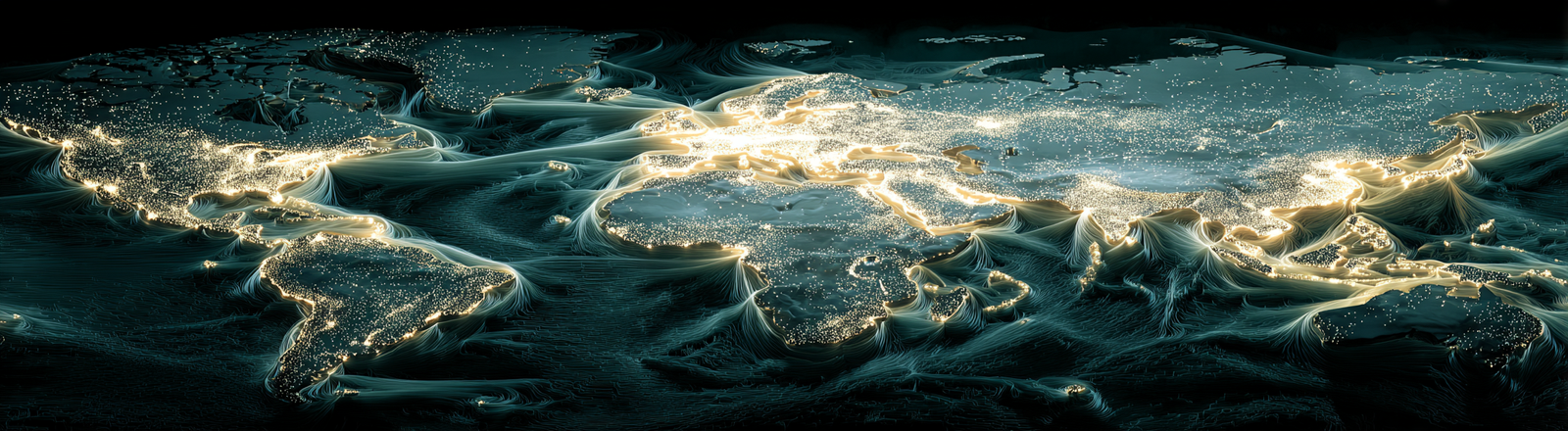
The New Iron Curtain: How Fiber-Optic Cables Redraw Global Fault Lines

In the middle of the North Sea, ships drop anchor not for trade, but to lower a different kind of lifeline: fiber-optic cables as thin as a garden hose, carrying nearly all the world’s internet traffic. These strands of glass, buried in the seabed, are the hidden arteries of the global economy. And like railroads in the 19th century or oil chokepoints in the 20th, they are becoming the contested frontiers of great-power rivalry. What divides nations today is not just ideology or territory, but the control of invisible threads binding the modern world together.

The New Iron Curtain: How Fiber-Optic Cables Redraw Global Fault Lines Read More »

u7996237426 aerial cinematic scene of military bases across o 8e40db71 829a 417b b04c d6f77a0159fa 2

Empires in Retreat: The New Scramble for Bases Abroad

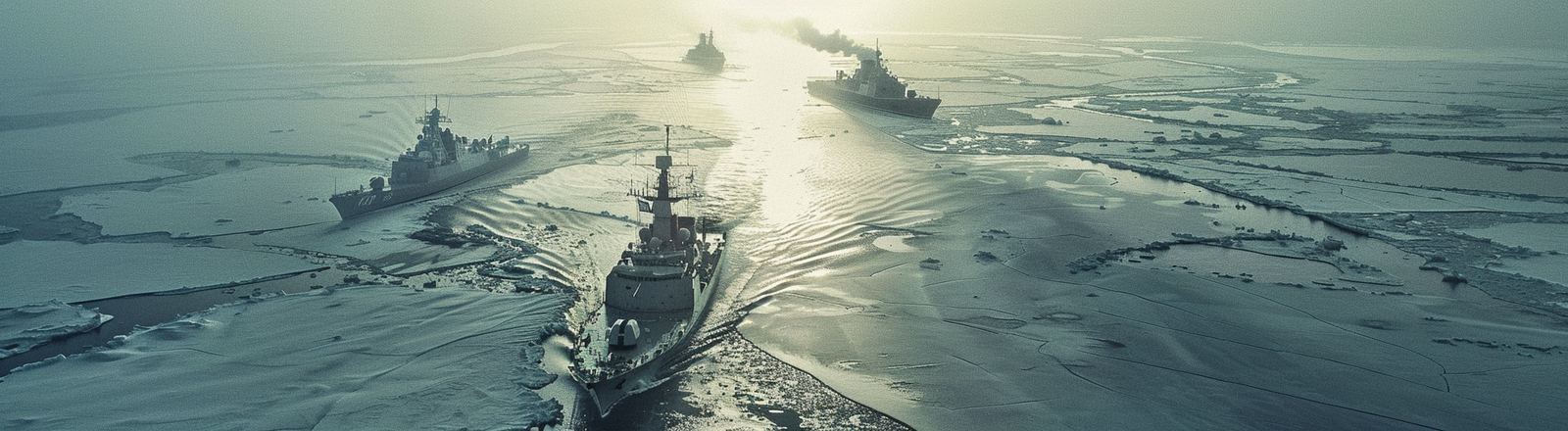
On the scorched island of Diego Garcia in the Indian Ocean, cargo planes roar off a runway carved by Cold War logic. In Djibouti, French gendarmes share space with American drones, Chinese naval patrols, and Japanese engineers. And in the high Arctic, melting ice transforms barren coastlines into waypoints for submarines and icebreakers. The map of global power is once again dotted with outposts, as nations old and new compete to secure footholds far from home.

Empires in Retreat: The New Scramble for Bases Abroad Read More »

u7996237426 a world map morphing into three dramatic maritime 40f225ee 8faa 4bb7 9fab 661a99ecd288 2

Chokepoints Reborn: From Suez and Malacca to a Melting Arctic

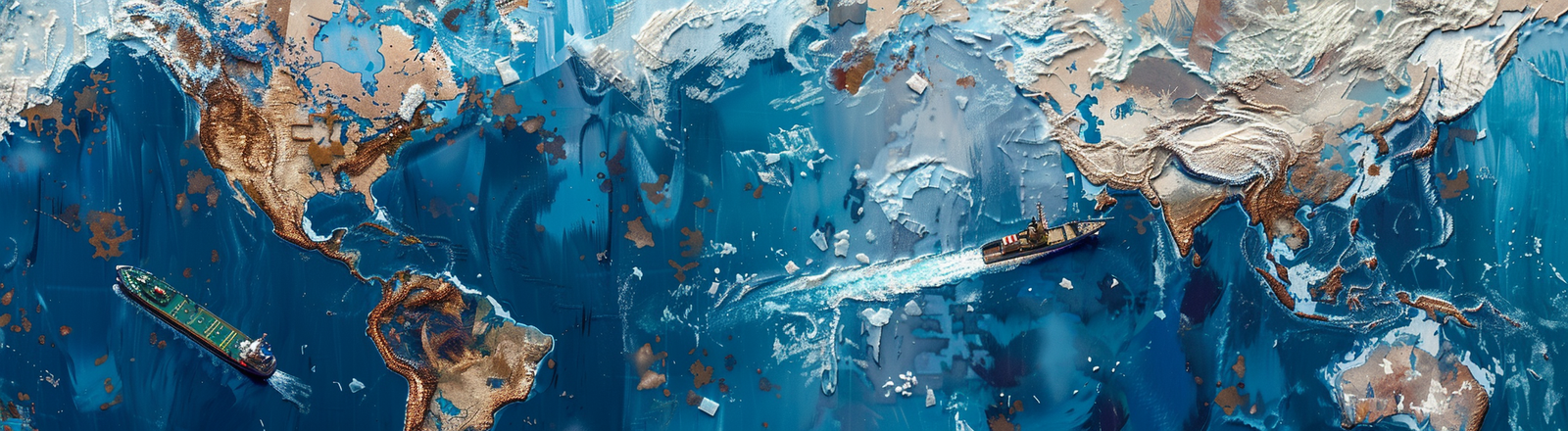
At dawn on October 29, 1956, Egyptian forces detonated explosives along the banks of the Suez Canal. The blast reverberated across the Cold War world: Britain and France, fearing for their oil lifeline, would soon invade; the United States, alarmed at Soviet maneuvering, would force them back. A single narrow waterway had plunged empires into crisis.

The drama of Suez was not unique. Maritime chokepoints have always been levers of power disproportionate to their geography. The Strait of Malacca, scarcely 1.7 miles wide at its narrowest, has determined the fortunes of kingdoms from Srivijaya to Singapore. The Dardanelles, gateway between the Mediterranean and Black Sea, helped trigger the Gallipoli campaign of 1915. Whoever commands the bottlenecks of the world commands trade, energy, and, often, history itself.

Today, a new chokepoint is emerging—not in the deserts of Egypt or the tropics of Southeast Asia, but across the ice-laden waters of the Arctic. As climate change accelerates, once-impenetrable sea ice is retreating, exposing routes that were for centuries the stuff of explorers’ fantasies. The “Northern Sea Route” along Russia’s Siberian coast and the elusive “Northwest Passage” across Canada’s Arctic Archipelago are becoming navigable for longer stretches each summer. Shipping firms calculate that a Rotterdam–Shanghai voyage could be shortened by up to two weeks. In an age where days translate into millions, that is not a marginal gain; it is a strategic revolution.


Chokepoints Reborn: From Suez and Malacca to a Melting Arctic Read More »

Echoes of the Great Game in the Arctic’s New Cold War

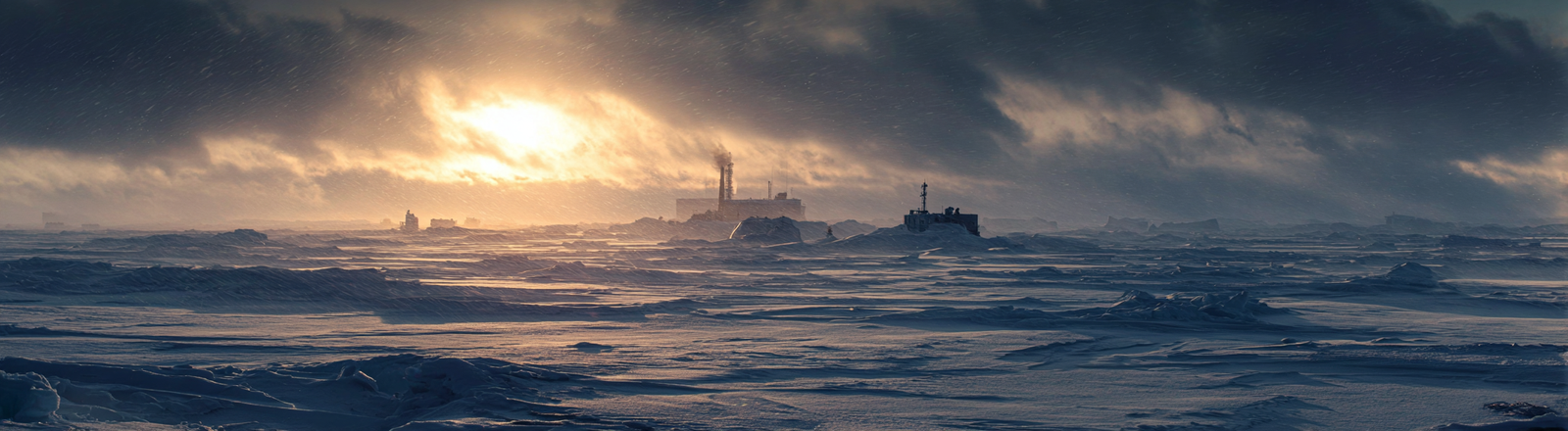
In the nineteenth century, British and Russian envoys maneuvered across the mountains and deserts of Central Asia in a high-stakes contest for influence. Historians would later call it the Great Game—a slow, deliberate rivalry fought not only with armies but with maps, treaties, and the quiet presence of explorers who were never merely explorers.

Today, the terrain has shifted thousands of miles north, but the strategic logic feels eerily familiar. The Arctic—once a frozen backwater of geopolitics—has become a contested frontier, where climate change has unlocked both navigable waters and the mineral riches beneath. The actors are different, the tools more sophisticated, but the underlying game—competition for access, influence, and security—is playing out again.

Echoes of the Great Game in the Arctic’s New Cold War Read More »