philosophy

u7996237426 a symbolic editorial illustration of a humanoid f fc2e68ed b57b 4773 ac98 909df6fd5cde 2

Amnesty for Algorithms: Should Code Be Forgiven Like Humans?

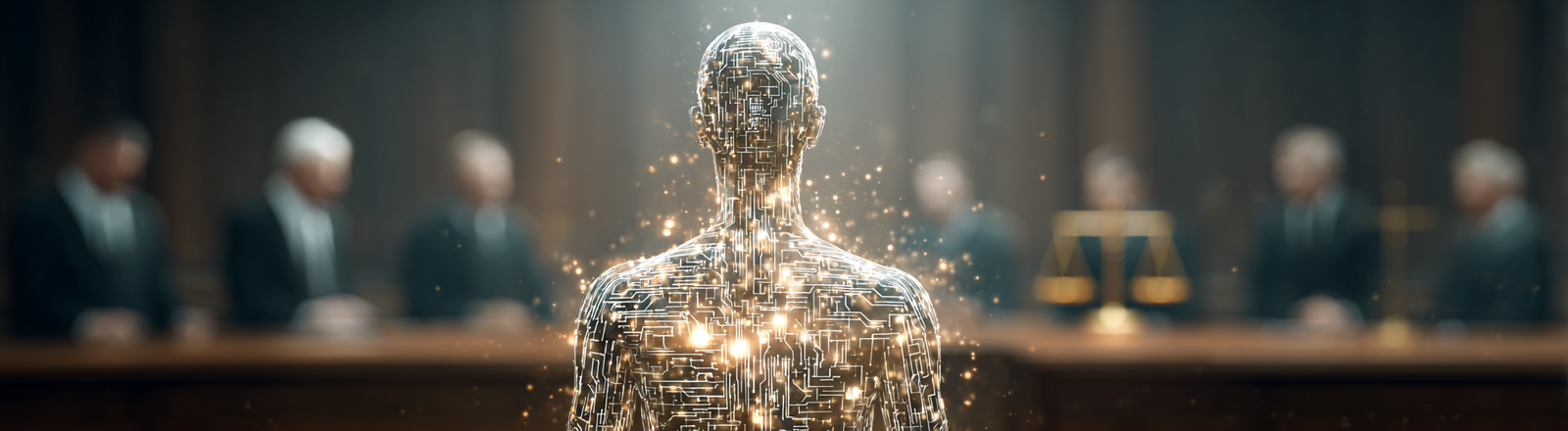
When a human being commits a crime, societies debate whether rehabilitation is possible. Can the wrongdoer change? Should they be forgiven? Now consider a flawed algorithm: a bail recommendation system that unfairly penalizes minorities, or a hiring tool that weeds out women’s résumés. If the code is patched, if its “bias” corrected, do we grant it amnesty? Or does the stain of its past errors linger, shaping how we judge its future use?

Amnesty for Algorithms: Should Code Be Forgiven Like Humans? Read More »
Can a Just Society Survive the Loss of Privacy?

What is justice without privacy? It is a question that, until recently, belonged to the realm of speculative philosophy. Today, it feels less like a thought experiment and more like a daily headline.

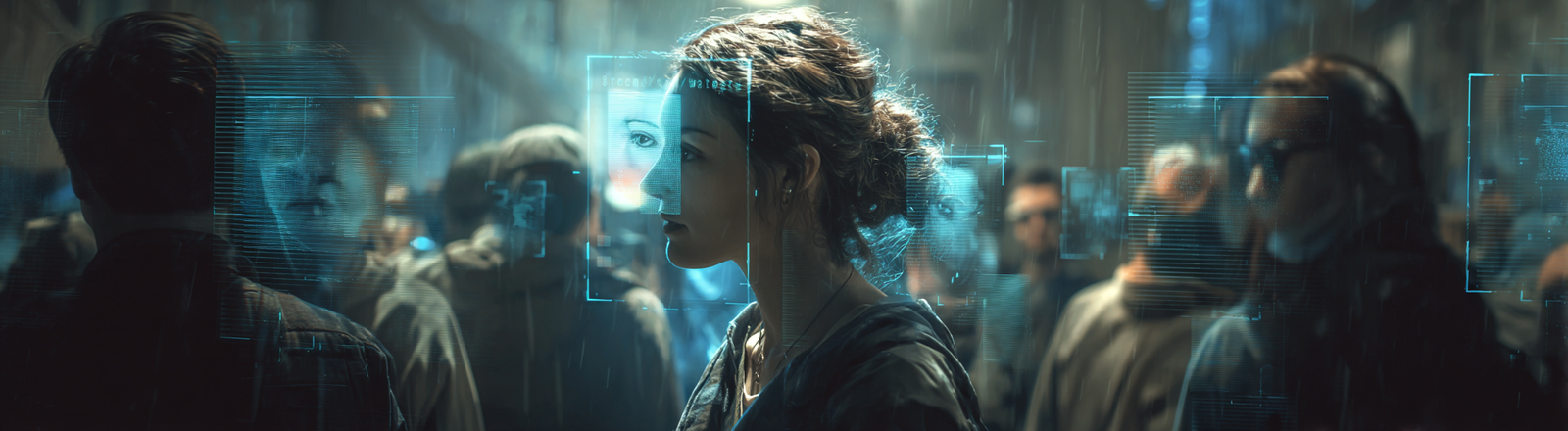
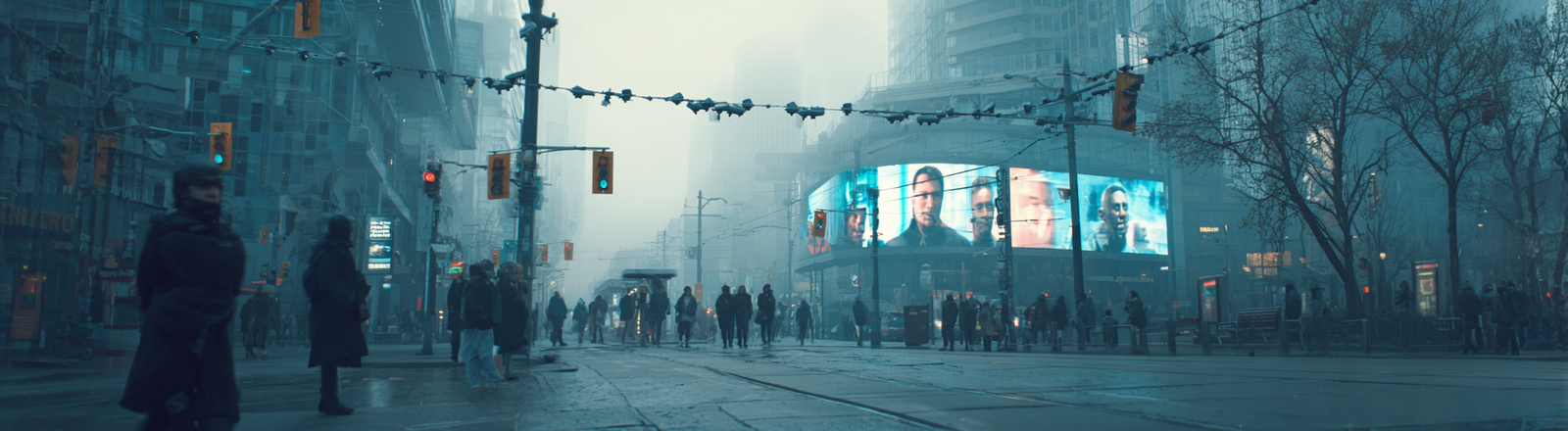
From the cameras embedded in our streets to the trackers in our phones, the capacity to monitor individuals has outpaced our moral vocabulary for discussing it. Surveillance technologies promise safety, efficiency, even fairness—but at what cost to the invisible space where individual dignity resides?

Can a Just Society Survive the Loss of Privacy? Read More »

Algorithmic Borders: The Rise of Digital Immigration Control

The first checkpoint may no longer be a uniformed officer with a passport stamp. Increasingly, it is a silent algorithm, running on a remote server, deciding — in milliseconds — whether you will be waved through, delayed, or denied.

From visa applications to airport security screening, artificial intelligence is becoming the invisible gatekeeper of human mobility. Governments frame these systems as efficiency upgrades: faster queues, fewer errors, more “objective” decisions. But efficiency can also conceal a shift in power — and accountability — from human judgment to machine logic.

Algorithmic Borders: The Rise of Digital Immigration Control Read More »

The Tyranny of the Majority in the Digital Age

In his 1835 Democracy in America, Alexis de Tocqueville warned of a danger inherent to democratic life: the “tyranny of the majority.” It was not the tyranny of kings, with armies and decrees, but of numbers — the tendency for the majority’s will to drown out, suppress, or delegitimize dissenting voices.

Nearly two centuries later, the town square has moved online. The algorithms that govern our social media feeds are, in a sense, Tocqueville’s fear made mechanical: they reward what resonates widely and punish what does not. In this arena, majority sentiment is not just powerful — it is amplified, quantified, and relentlessly reinforced.

The Tyranny of the Majority in the Digital Age Read More »

u7996237426 wide view of a parliament chamber one half bathed a92adbaf 6522 44ac 8f7b bfdd1f1f7e70 1

When Democracy Defends the Undemocratic

One of democracy’s proudest boasts is its tolerance for dissent—even dissent that seeks to dismantle democracy itself. We permit unpopular speech, unpopular parties, and unpopular candidates, not because they are harmless, but because we believe a free society should not pre-emptively silence its critics.

Yet this principle contains a paradox: What happens when the tolerance of the system becomes the mechanism of its undoing?

When Democracy Defends the Undemocratic Read More »