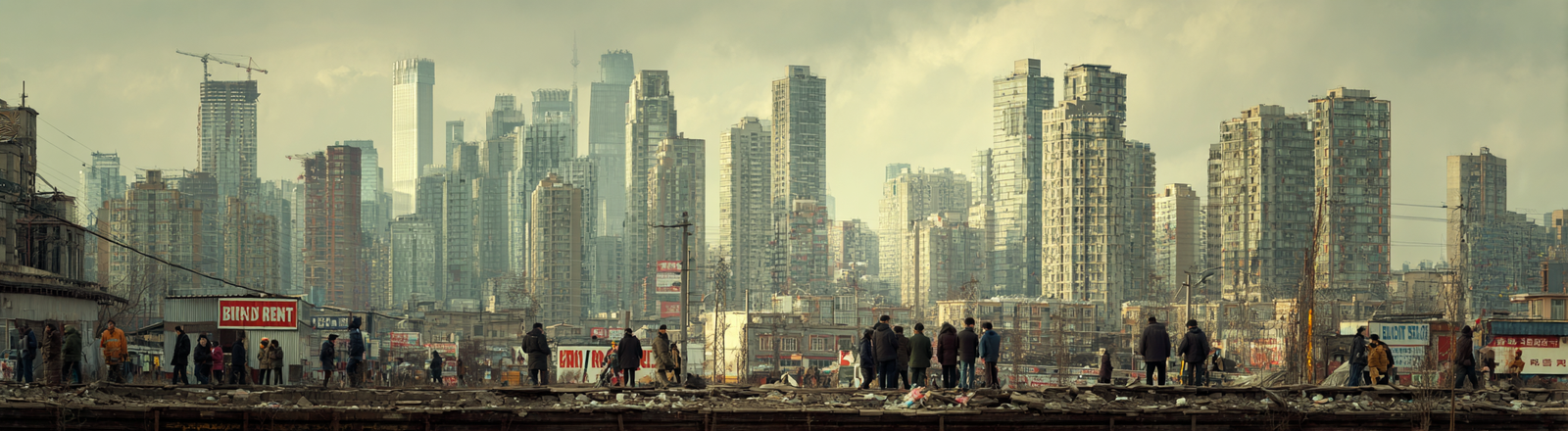
investing

u7996237426 cinematic satellite view of earth at night showin 67fbba2a 76a2 4e68 9328 298f04ee9176 3

The Grid Divide: Why Energy Access Is the Real Currency of Nations

For decades, gross domestic product has served as the shorthand for national strength. Policymakers, investors, and journalists alike speak of GDP growth as if it were destiny. Yet in the twenty-first century, a different metric may matter more: the hum of the electric grid. Where energy is abundant, economies thrive. Where it is scarce, even the most promising industries stall. Electricity is not just a utility—it is the real currency of nations.

The Grid Divide: Why Energy Access Is the Real Currency of Nations Read More »
u7996237426 ultra wide cinematic collage blending u.s. dollar 1bf1dcdc 861c 412e a9d3 bc287bee39d7 2

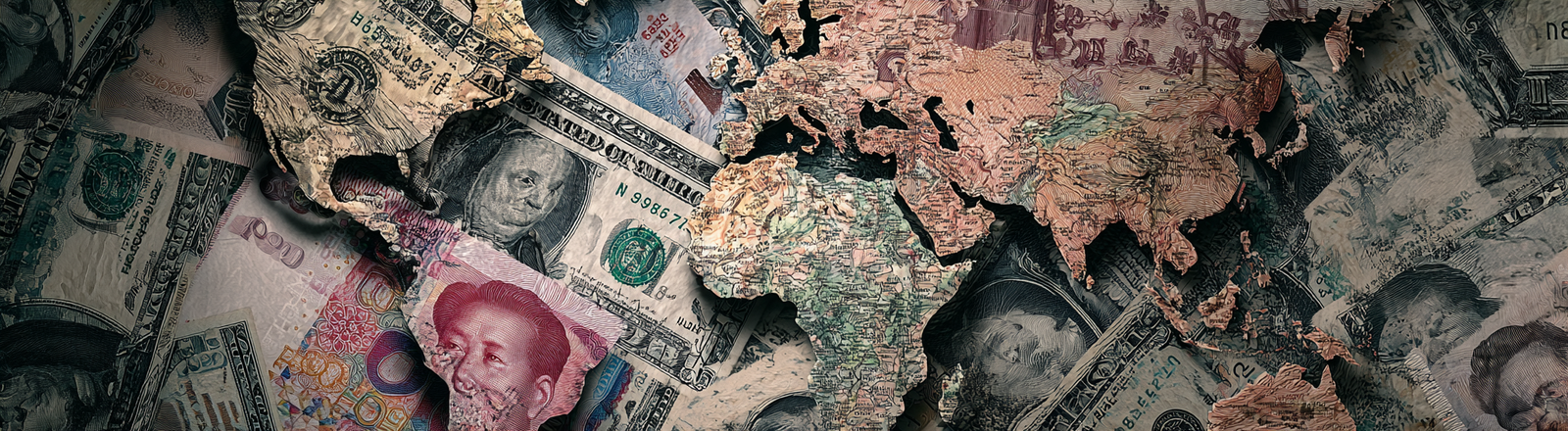
The Currency Cold War: Competing for the World’s Reserve

In the marble halls of central banks and the quiet meeting rooms of finance ministries, a high-stakes contest is unfolding. It’s not about tariffs or trade agreements. It’s about which currency the world will trust most — and, by extension, which nation will wield the greatest economic influence in the decades to come.

For nearly eight decades, the U.S. dollar has reigned as the world’s primary reserve currency, the backbone of global trade, and the benchmark for commodities from oil to gold. But in recent years, the euro and the Chinese yuan have been maneuvering for greater prominence, each seeking to loosen the dollar’s grip.

The Currency Cold War: Competing for the World’s Reserve Read More »

The Era of Cheap Debt is Over—Now What?

For more than a decade, the global economy ran on money so cheap it felt almost free. From the aftermath of the 2008 financial crisis through the pandemic years, near-zero interest rates and central bank asset purchases fueled an unprecedented era of borrowing. Governments financed stimulus packages without immediate pain, corporations refinanced at bargain rates, and households locked in historically low mortgages.

That era is over. And the transition will be neither smooth nor evenly felt.

The Era of Cheap Debt is Over—Now What? Read More »