housing

u7996237426 a futuristic cityscape split screen style left si a19b7b90 71da 482c be35 97b969ad15bc 1

Downscaling the Future: How Hyperlocal Climate Models Rewrite City Policy

Climate change often feels like a story told at the planetary scale: degrees of global warming, sea levels rising worldwide, models projecting to the year 2100. But for a city planner deciding whether to expand storm drains or plant more trees, those planetary averages are too blunt an instrument. What they need is not a forecast for the Earth, but a forecast for their neighborhood.

That’s where “downscaling” comes in. It’s the scientific process of taking coarse global climate models—think of them as the blurry outlines of a weather map—and sharpening them to the resolution of a city block. Instead of predicting rainfall shifts across an entire continent, downscaled models can estimate how a thunderstorm might behave in a single metropolitan basin.

Downscaling the Future: How Hyperlocal Climate Models Rewrite City Policy Read More »
u7996237426 a wide rural landscape with cornfields and silos 073b79ad fefb 4b97 813b 9bba642ade02 0

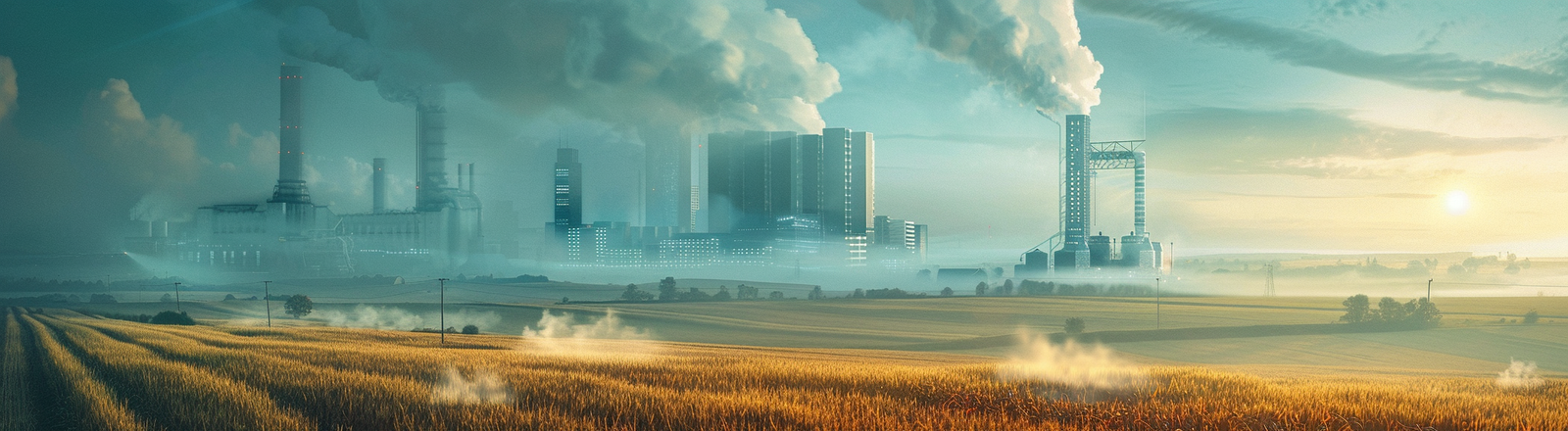
Data Centers, Dry Wells: Rural America’s New Faustian Bargain

On the edge of a cornfield in central Iowa, steel skeletons rise where silos once stood. They are not barns but server halls—vast, windowless structures humming with the machinery of the digital age. Inside, racks of servers will soon pulse with cloud traffic for global companies. Outside, residents wonder what will become of their wells.

Across rural America, towns long defined by agriculture are striking deals with technology giants. The bargains are familiar: land for sprawling campuses, generous tax abatements, and promises of jobs. But the new wrinkle is elemental—these facilities devour water and power on scales small communities never imagined.

Data Centers, Dry Wells: Rural America’s New Faustian Bargain Read More »

Transit Deserts: How Poor Public Transport Perpetuates Inequality

At 5:12 a.m. in Atlanta’s southwest corridor, Marlene waits for the first bus of the day. It’s scheduled for 5:20, but she’s learned not to trust the timetable — delays of 20 or 30 minutes are common. She works at a warehouse 12 miles away, a job that pays just above minimum wage. Without a car, she relies on a patchwork of buses and transfers. One missed connection can mean arriving late, losing hours, or even losing the job.

Marlene’s neighborhood is a transit desert: a place where public transportation is so limited, infrequent, or poorly connected that daily life becomes a logistical and financial strain. For millions in American cities, this is not just an inconvenience — it’s a structural barrier to opportunity.

Transit Deserts: How Poor Public Transport Perpetuates Inequality Read More »