
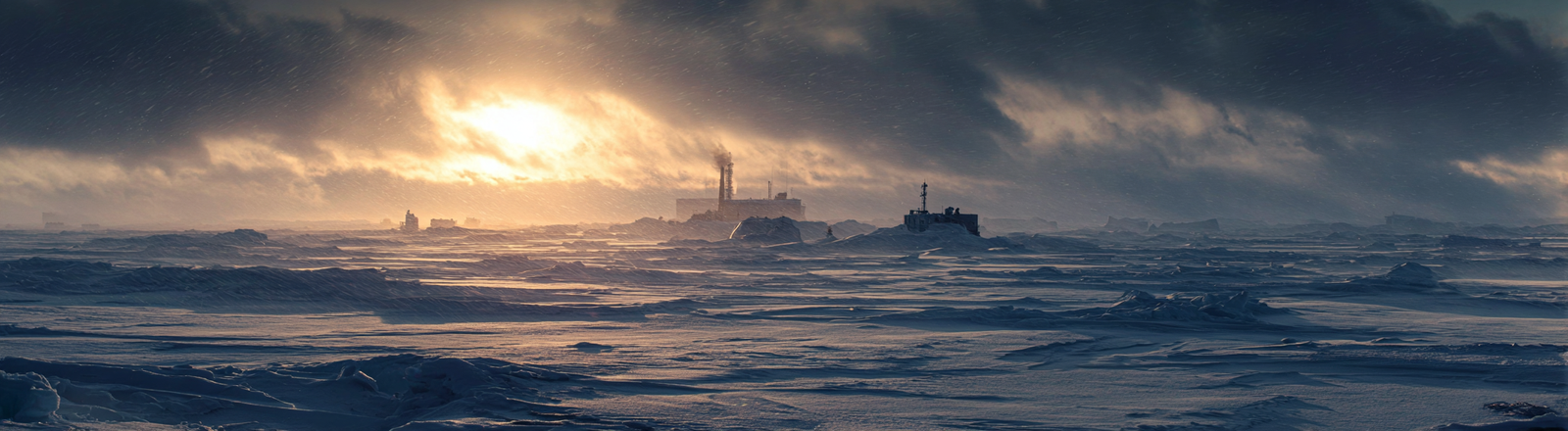
arctic

Echoes of the Great Game in the Arctic’s New Cold War

In the nineteenth century, British and Russian envoys maneuvered across the mountains and deserts of Central Asia in a high-stakes contest for influence. Historians would later call it the Great Game—a slow, deliberate rivalry fought not only with armies but with maps, treaties, and the quiet presence of explorers who were never merely explorers.

Today, the terrain has shifted thousands of miles north, but the strategic logic feels eerily familiar. The Arctic—once a frozen backwater of geopolitics—has become a contested frontier, where climate change has unlocked both navigable waters and the mineral riches beneath. The actors are different, the tools more sophisticated, but the underlying game—competition for access, influence, and security—is playing out again.

Echoes of the Great Game in the Arctic’s New Cold War Read More »
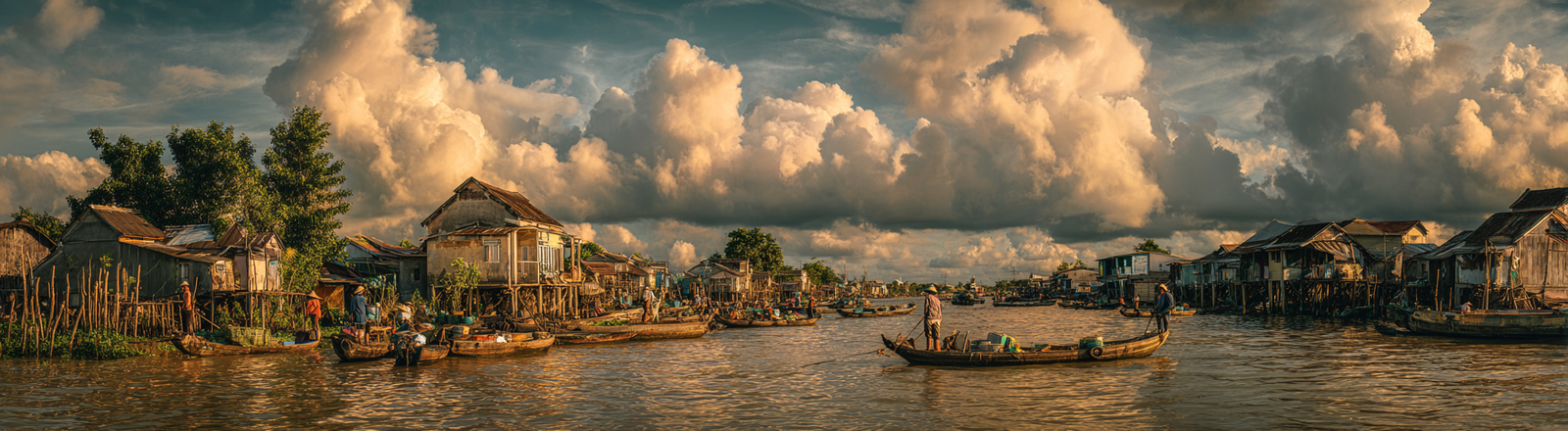
When Climate Models and Local Knowledge Disagree

In a small fishing village on the Mekong Delta, elders will tell you that the tides are “acting strangely.” They speak of water creeping farther inland than in their parents’ time, and of storm seasons that come earlier, with winds that feel “hungrier.” These observations are rich in detail, yet when plotted against the outputs of regional climate models, the timelines don’t quite match.

This is not an isolated disconnect. Across the world, from Arctic Inuit communities to Andean farmers, local knowledge sometimes diverges from what climate scientists’ models predict. At first glance, it can feel like a contradiction—one worldview built from lived experience, the other from equations. In truth, it’s more like two overlapping photographs: each capturing part of the same scene, each slightly out of alignment.

When Climate Models and Local Knowledge Disagree Read More »