By Dr. Leila Mbaye
In living rooms and on timelines, family trees are no longer confined to dusty albums or oral traditions whispered at reunions. They arrive as screenshots of DNA results, as hashtags like #FoundMyRoots, as jubilant videos of strangers meeting “cousins” across oceans. What was once the slow work of archivists has become a viral genre of digital storytelling. Genealogy, long tethered to paper records and fragile memory, now surges through platforms, reshaping how people narrate belonging.
The DNA as Passport
Commercial DNA kits have turned spit into passport. For a modest fee, a vial of saliva is translated into percentages: 22% West African, 15% Nordic, 8% Indigenous Americas. These fractions are not simply data points; they are scripts for identity. One teenager posts a TikTok celebrating her “Viking blood,” another writes a thread about reconnecting with long-suppressed Native ancestry. The numbers become prompts for stories—sometimes affirming, sometimes disruptive.
But the allure of genetic proof risks simplifying ancestry into a pie chart. Culture, history, and lived experience are not reducible to percentages. The DNA may open a door, but the path beyond requires careful walking.
Belonging by Algorithm
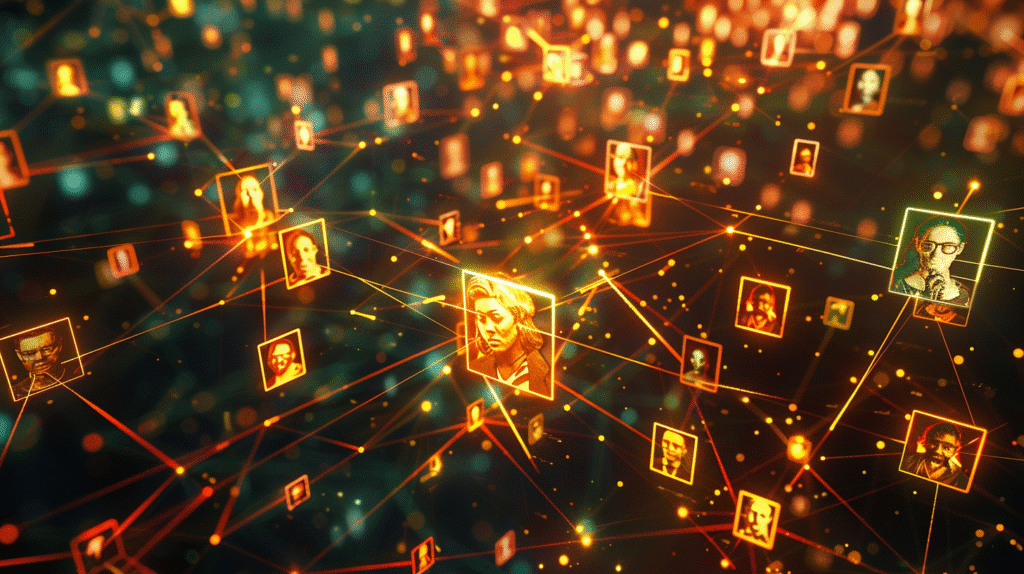
Online communities transform those fragments into connection. Facebook groups for “Caribbean DNA Matches” or hashtags like #AfricanDiasporaDNA draw thousands of participants seeking kinship. Algorithms match not only genomes but also hashtags, guiding users toward digital tribes. For many in diasporic communities, these spaces offer something both profound and precarious: the feeling of finding a homeland through Wi-Fi.
Yet belonging mediated by algorithms is fragile. A platform tweak can scatter a community overnight. And kinship discovered online sometimes collides with the politics of recognition offline, where cultural gatekeeping or historical trauma complicate claims of identity.
When Stories Collide
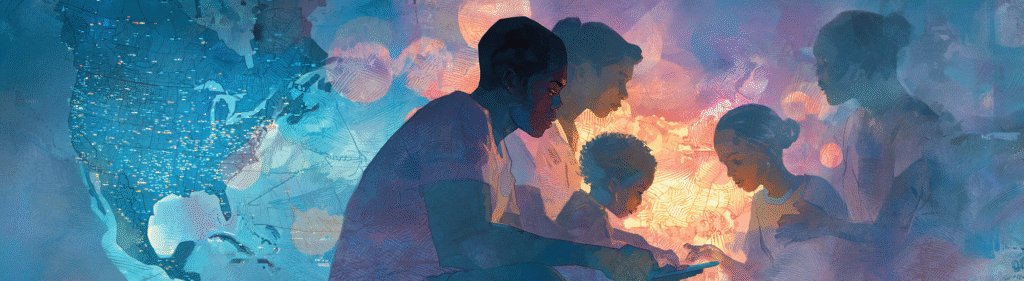
The viral genealogy story is not always celebratory. Discoveries of unexpected paternity, of hidden adoptions, of ancestral ties to slavery or colonization can fracture families. One woman told me that a joyful reunion with distant cousins was shadowed by realizing her ancestors had once owned theirs. The digital forum that had promised kinship became a site of reckoning.
These collisions mirror a larger truth: genealogy is never neutral. It is a narrative technology, and like all technologies, it can heal or harm.
The Future of Ancestry
Hashtag ancestry reveals both the hunger for connection and the volatility of identity in the digital age. Genealogy has always been about stories—who we claim, and who claims us. What has changed is the velocity: stories now circulate at the speed of a trending tag, gathering likes, followers, and sometimes entire movements.
Perhaps what is viral is not DNA itself, but the human need to locate ourselves in a lineage larger than our own bodies. In that sense, the hashtag is simply the newest archive—a living library, where belonging is constantly rewritten.