By Marcus Havelock
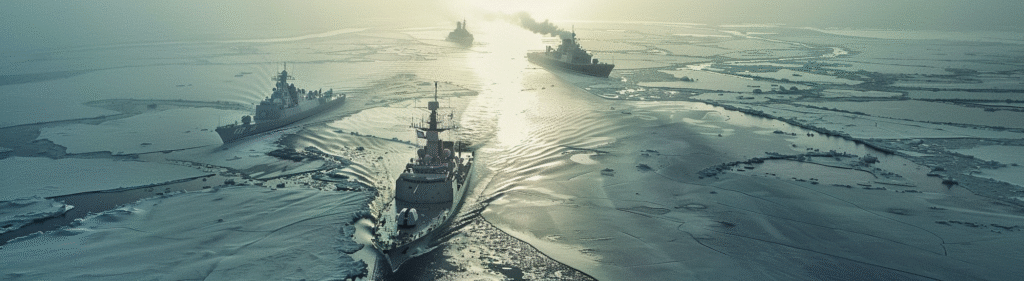
On the scorched island of Diego Garcia in the Indian Ocean, cargo planes roar off a runway carved by Cold War logic. In Djibouti, French gendarmes share space with American drones, Chinese naval patrols, and Japanese engineers. And in the high Arctic, melting ice transforms barren coastlines into waypoints for submarines and icebreakers. The map of global power is once again dotted with outposts, as nations old and new compete to secure footholds far from home.
Colonial Echoes
The pattern is not new. In the 19th century, coaling stations fueled imperial fleets. Gibraltar, Aden, and Singapore became punctuation marks on Britain’s sea lanes, much as Guam and Pearl Harbor did for the United States a century later. Bases abroad were never just logistics—they were markers of prestige, reminders that the flag could be planted wherever national interests demanded.
Today’s scramble revives those habits, though under different banners. Officially, the rhetoric is about counterterrorism, humanitarian response, or supply-chain security. Unofficially, it is about leverage. A base is not just a place to land planes or dock ships. It is a signal, written in steel and concrete, that geography still shapes strategy.
Multipolar Competition
What is striking in the current moment is not just the number of bases, but the number of actors. The United States maintains the most sprawling network, from Okinawa to Bahrain. China has established its first overseas naval base in Djibouti and eyes others along the Indian Ocean “string of pearls.” Turkey has expanded its reach with facilities in Qatar and Somalia. Even smaller states—like the UAE, with access in Eritrea—are joining the game.
Each base tells a story of both partnership and pressure. Host countries accept foreign troops for aid, investment, or protection, but the bargain is rarely equal. A runway extended today can become a bargaining chip tomorrow. The history of Panama’s Canal Zone or Britain’s leased bases in the Caribbean reminds us how temporary arrangements calcify into semi-permanent claims.
Strategic Retreats
Yet alongside expansion, there is retreat. The U.S. left Afghanistan in 2021, abandoning Bagram Air Base, once one of the largest in the world. France is drawing down forces in the Sahel, pressured by local resentment and Russian mercenaries filling the vacuum. These withdrawals, like the closures of imperial garrisons past, leave traces—empty barracks, repurposed airstrips, and unresolved political legacies.
For every base acquired, another is shuttered, reminding us that empire abroad is always contested. Even today, Okinawans protest American aircraft noise as fiercely as Kenyans debate Chinese leases of their ports. Bases abroad remain, as they always were, precarious footholds rather than permanent possessions.
The Stakes Ahead
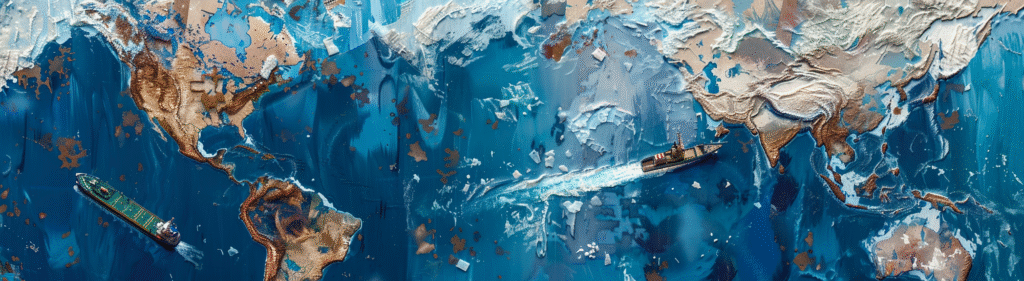
What makes this scramble urgent is the shifting terrain of global order. As supply chains stretch and climate change redraws the Arctic and Indo-Pacific, access matters more than ever. Whoever controls the chokepoints—from Hormuz to the Bering Strait—can throttle trade or shield allies.
Empires in retreat do not vanish; they reposition. The bases of the 21st century may look temporary, but they carry the same weight as their colonial predecessors: staging grounds for influence, symbols of reach, and flashpoints for resistance. The names on the signposts may change, but the struggle for footholds abroad is as old as empire itself.