Technology & Ethics

Critical examinations of AI, cybersecurity, and emerging technologies through an ethical lens.

u7996237426 courtroom bathed in dramatic light empty witness 8fdcf047 410a 4ef5 bf7f 4bbe41134444 0

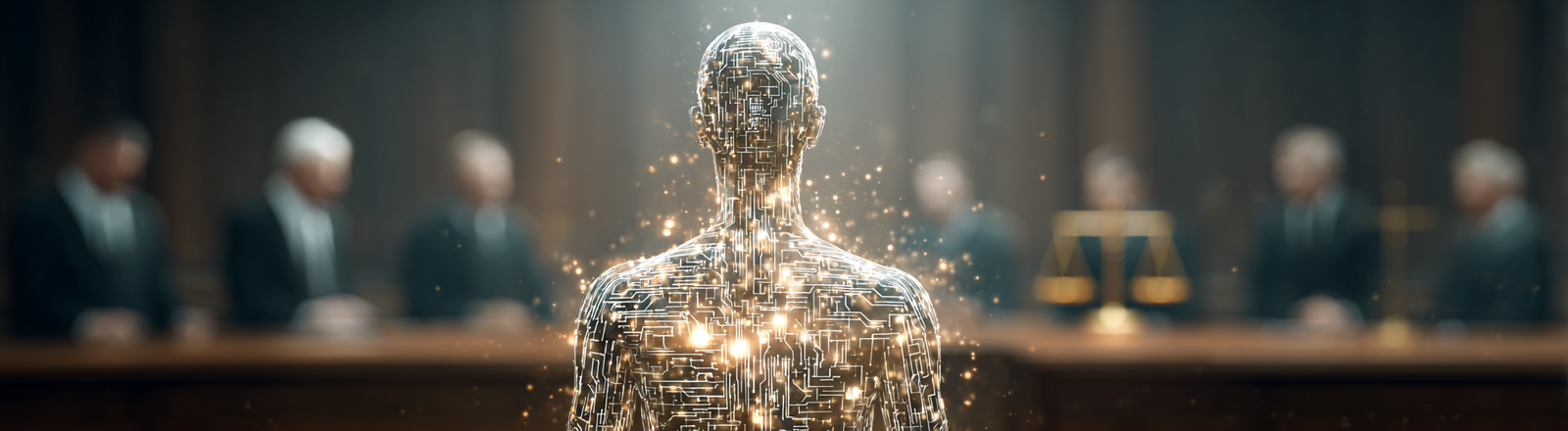
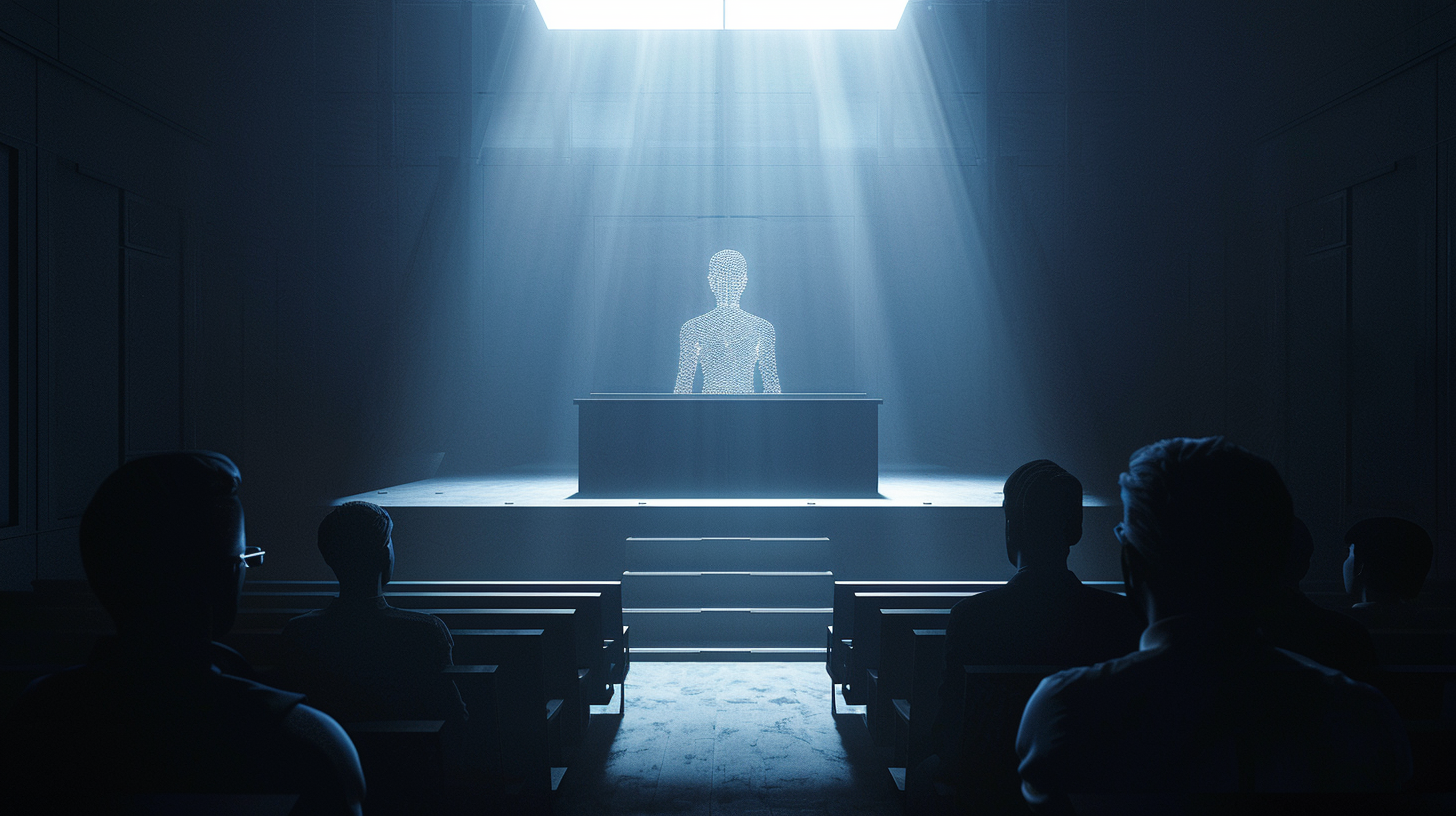
The Robot Witness: Can Nonhumans Testify to Truth?

In a courtroom, testimony is not just information. It is a performance of credibility. A witness swears an oath, recounts events, faces cross-examination. The jury not only hears their words but weighs their character, gestures, tone. The law presumes that truth emerges from this human exchange. But what happens when the “witness” is a machine—an algorithm reconstructing a crime scene, a smart doorbell recording a suspect’s arrival, or an AI system generating transcripts from noisy audio? Can nonhumans testify?

The Robot Witness: Can Nonhumans Testify to Truth? Read More »
u7996237426 futuristic login screen dissolving into fingerpri 67b2a0bf 14e7 4a11 ac4f 3f17eaf759bb 2

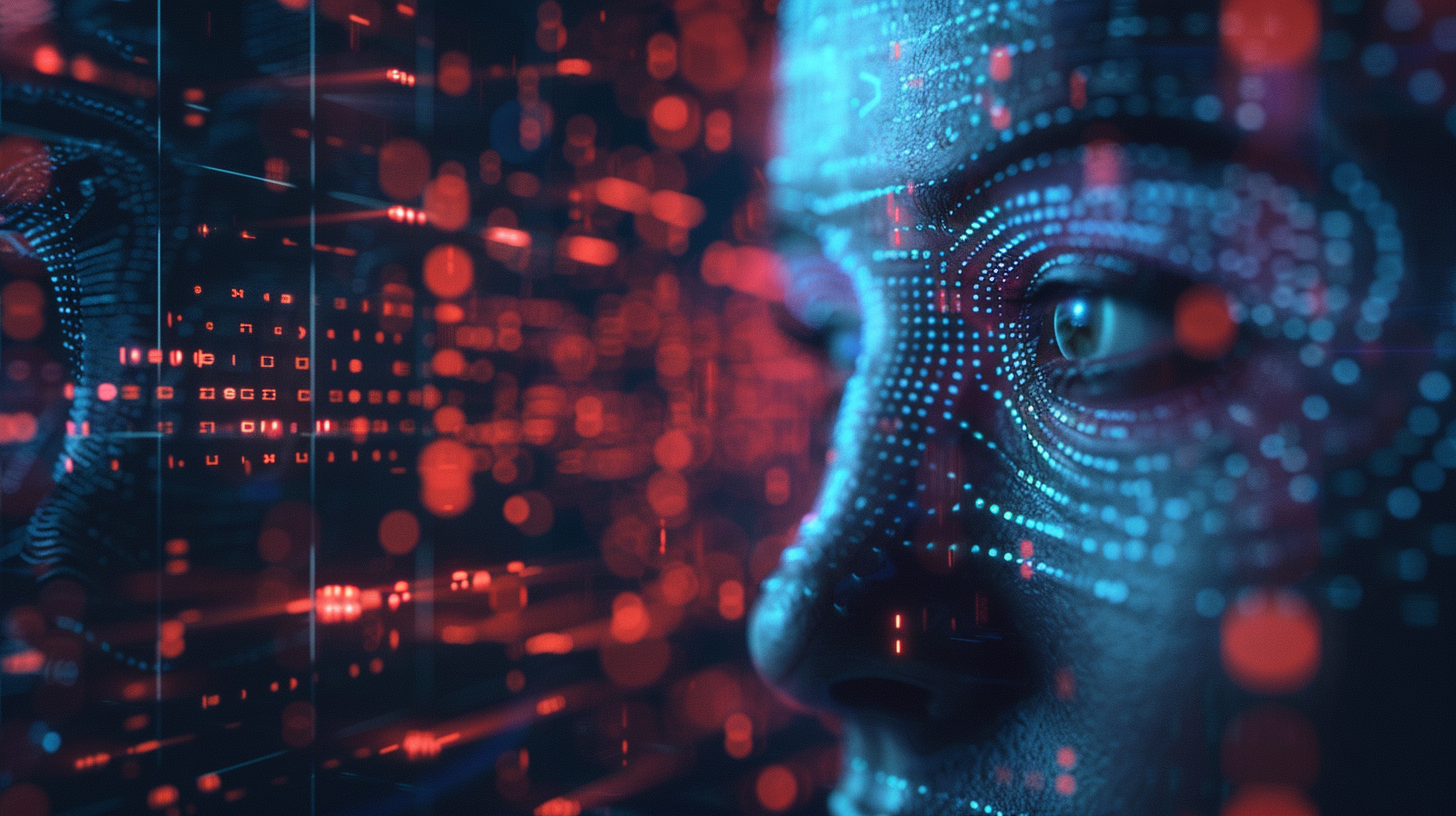
The Vanishing Password: What Happens When Identity Becomes Purely Biometric?

The password was always a flawed invention—forgotten, reused, stolen. Tech companies have long promised its replacement. That promise is now arriving, not with new strings of characters but with fingerprints, faces, and voices. Biometric authentication is moving from novelty to default. Airports scan irises, smartphones unlock with thumbprints, banks verify transactions with voice recognition. The password is vanishing. What remains is a more intimate question: what happens when our bodies become the only keys we hold?

The Vanishing Password: What Happens When Identity Becomes Purely Biometric? Read More »

u7996237426 a close up of a hand holding a sleek smartphone w 7080dfb0 b17e 47f3 9a8f 8b202b2da415 3

The Kill Switch Economy: What Happens When Devices Outlive Their Licenses?

You buy a car, but its software license expires. You own a phone, but the manufacturer disables it remotely when support ends. Increasingly, ownership no longer guarantees permanence. In a world of connected devices, companies retain the power to “switch off” products—even those you paid for—when they fall outside the official support window. Welcome to the kill switch economy, where the lifespan of your possessions is determined not by durability, but by code.

The Kill Switch Economy: What Happens When Devices Outlive Their Licenses? Read More »

u7996237426 a faceless crowd dissolving into digital static o 0d2395ae 1d49 4322 8175 9cf88eb00eab 2

Do Algorithms Deserve Transparency, or Do Citizens Deserve Obscurity?

In the debate over artificial intelligence, “transparency” has become the gold standard. Policymakers demand that algorithms reveal how they make decisions. Advocates insist that citizens have a right to know why a loan was denied or a parole application rejected. Yet beneath this demand lies a deeper, less examined question: should our priority be exposing the workings of machines—or protecting the opacity of human lives?

Do Algorithms Deserve Transparency, or Do Citizens Deserve Obscurity? Read More »

u7996237426 rows of glowing vaccine vials under dramatic spot 5f78c6c2 7212 4359 8c7a 87e21c36174a 1

Pandemic Patrimony: Who Owns the Cures After Global Crises?

By Dr. Amara VossWhen the first COVID-19 vaccines were authorized, syringes carried more than medicine—they carried the weight of ownership. A handful of pharmaceutical firms held patents, governments signed billion-dollar procurement deals, and global institutions scrambled to secure doses for the world’s poorest. The tension was stark: lifesaving knowledge, born in global emergency, was locked

Pandemic Patrimony: Who Owns the Cures After Global Crises? Read More »

u7996237426 mystical meets modern image a robed oracle gazing fa857fa7 0c89 4294 b4ed 5d8037708a67 0

Prophets of the Algorithm: When Prediction Feels Like Divination

In the ancient world, kings consulted oracles before battle. Priests read entrails, astrologers charted the heavens, and prophets cast visions of futures to come. Today, executives and policymakers consult a different kind of oracle: predictive analytics. The data may come from credit histories, hospital records, or satellite feeds, but the promise is the same — foresight. In a world desperate for certainty, algorithms have become the new diviners, blurring the line between prophecy and probability.

Prophets of the Algorithm: When Prediction Feels Like Divination Read More »

u7996237426 close up cinematic montage a fingerprint scan glo 292d320a 488f 420f 89cd 01172ea0df35 0

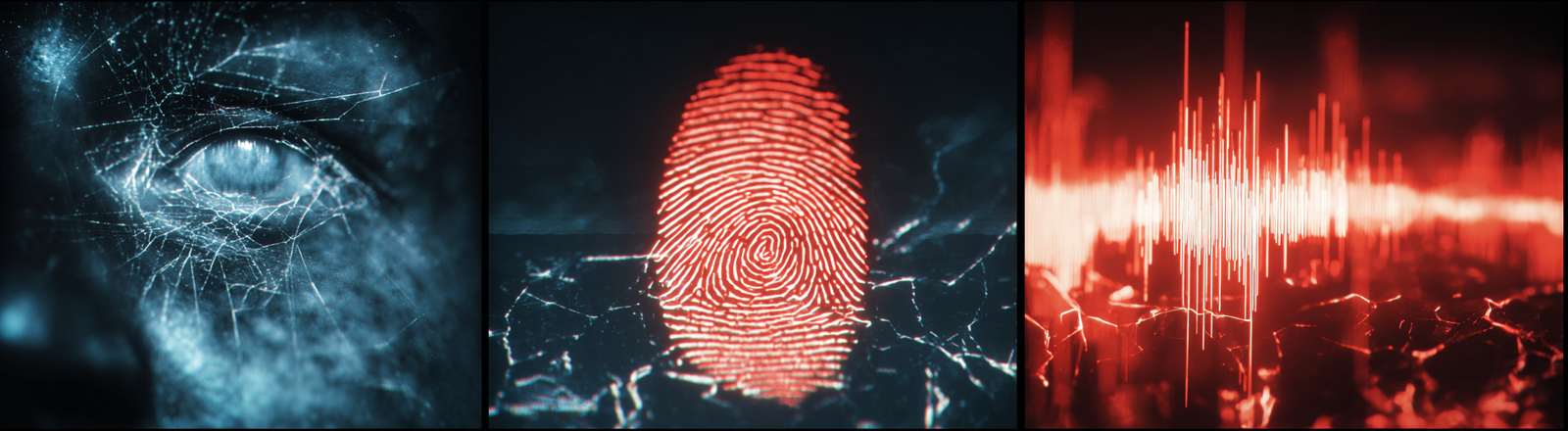
The Last Password: When Biometric Identity Can’t Be Changed

A forgotten password can be reset. A stolen credit card can be cancelled. But what happens when the key to your digital life is your fingerprint, your face, or the sound of your voice? In the rush to replace clunky logins with frictionless biometrics, societies are overlooking a troubling fact: biological identifiers cannot be revoked. Once compromised, they are compromised forever. The convenience of “you are the password” may also be its most enduring flaw.

The Last Password: When Biometric Identity Can’t Be Changed Read More »

u7996237426 human hand reaching toward a robotic hand in a co 48b475dc 7ed6 4db7 8b0f 33508624e7d9 0

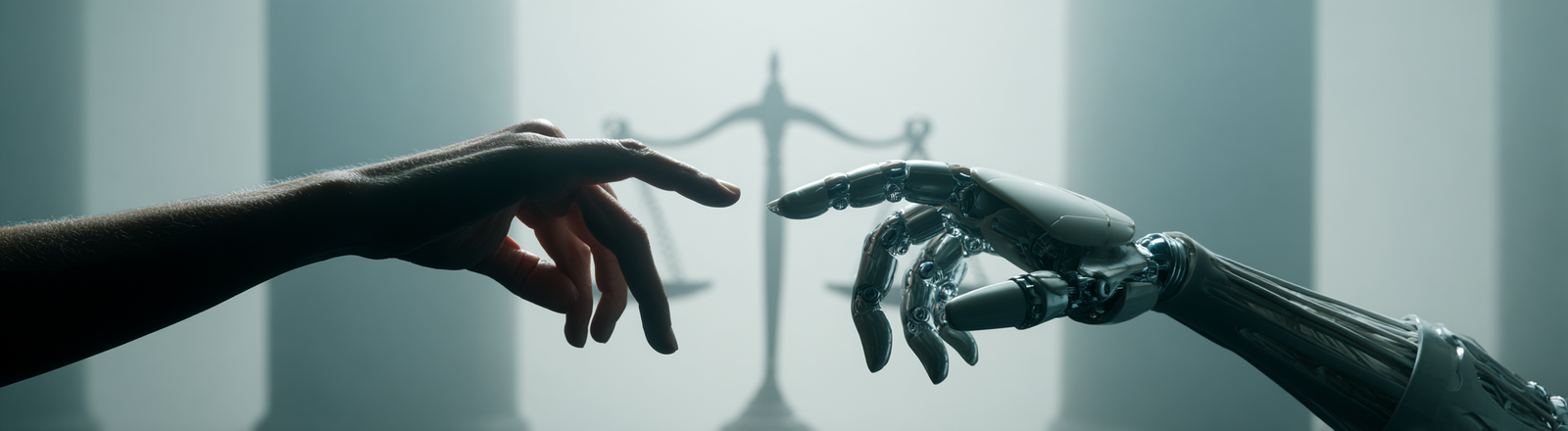
Rights for Robots, Duties for Designers?

If a machine acts, who bears the blame? The programmer who wrote its code? The company that deployed it? Or, in some conceivable future, the machine itself? As artificial intelligence becomes more sophisticated, the moral terrain grows murkier. The law has long assigned responsibility to human agents, but as AI systems generate outcomes that even their designers struggle to predict, the boundaries of accountability strain. Should rights be extended to robots? Or are we better served by sharpening the duties of their creators?

Rights for Robots, Duties for Designers? Read More »

u7996237426 a cinematic illustration of dna strands morphing b0773123 6394 4a8d b071 053150a743d9 2

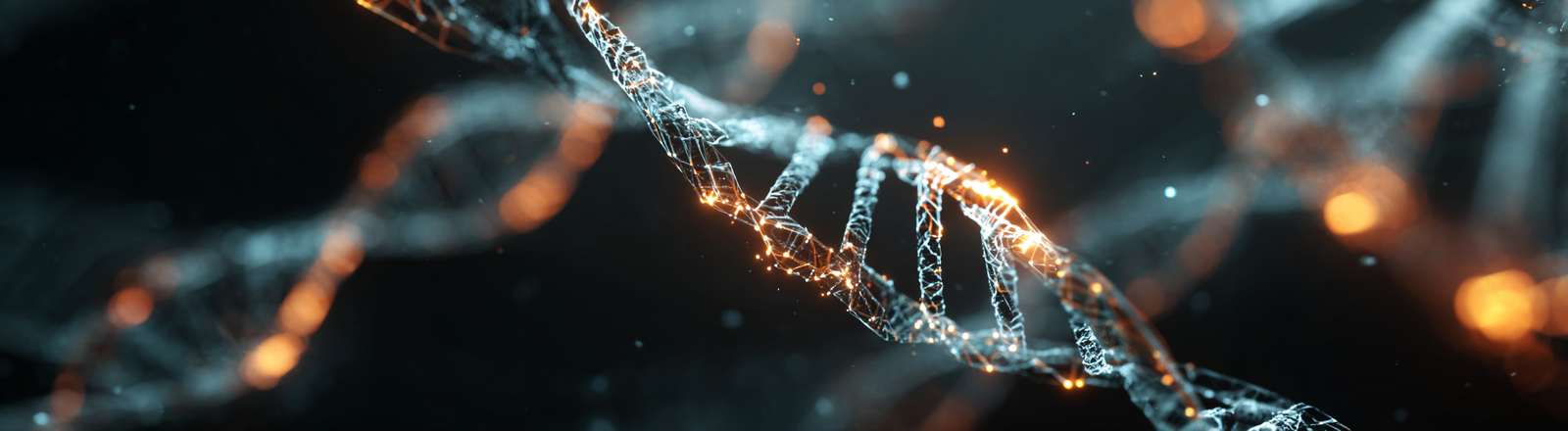
Genomic Firewalls: Who Decides Which DNA Gets Protected?

The double helix was once imagined as humanity’s shared blueprint — a universal language that transcended borders. Today, however, the world’s genetic material is increasingly treated like a strategic resource, fenced off by nations and corporations that claim ownership. As governments rush to secure genomic data, a pressing ethical question emerges: who decides which DNA deserves protection, and at what cost to global health equity?

Genomic Firewalls: Who Decides Which DNA Gets Protected? Read More »

u7996237426 a symbolic editorial illustration of a humanoid f fc2e68ed b57b 4773 ac98 909df6fd5cde 2

Amnesty for Algorithms: Should Code Be Forgiven Like Humans?

When a human being commits a crime, societies debate whether rehabilitation is possible. Can the wrongdoer change? Should they be forgiven? Now consider a flawed algorithm: a bail recommendation system that unfairly penalizes minorities, or a hiring tool that weeds out women’s résumés. If the code is patched, if its “bias” corrected, do we grant it amnesty? Or does the stain of its past errors linger, shaping how we judge its future use?

Amnesty for Algorithms: Should Code Be Forgiven Like Humans? Read More »