By Elias Watanabe
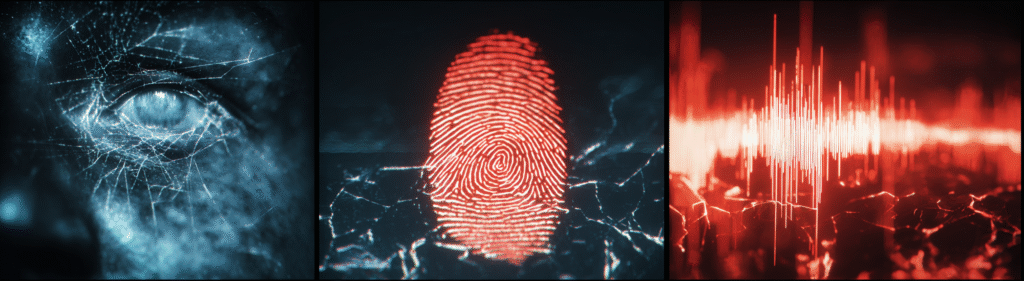
A forgotten password can be reset. A stolen credit card can be cancelled. But what happens when the key to your digital life is your fingerprint, your face, or the sound of your voice? In the rush to replace clunky logins with frictionless biometrics, societies are overlooking a troubling fact: biological identifiers cannot be revoked. Once compromised, they are compromised forever. The convenience of “you are the password” may also be its most enduring flaw.
The Irreplaceable Key
Passwords, for all their inconvenience, are ephemeral. They can be changed after a breach. Biometric identifiers, by contrast, are unique and immutable. If a database containing facial recognition templates leaks, users cannot simply “get a new face.” Unlike traditional credentials, biometrics follow us into every interaction, leaving behind a permanent trail of identity markers.
Consider the 2015 breach of the U.S. Office of Personnel Management, which exposed 5.6 million federal employees’ fingerprints. A decade later, those prints are still valid — and still vulnerable. The permanence of biological data means that the risks grow over time, not diminish.
Security Theater or Security Advance?
Proponents argue that biometrics strengthen security because they are harder to forge than a password. Yet in practice, biometric systems can be spoofed with startling ease: a high-resolution photograph fools facial recognition; a gummy mold replicates a fingerprint. Worse, when biometrics are linked to financial systems, the stakes of a single compromise escalate. Unlike a password file, biometric data often cannot be salted or hashed in ways that fully obscure the original pattern.
The result is a paradox: what feels more secure may in fact create more brittle defenses.
The Risks of Universal Identity
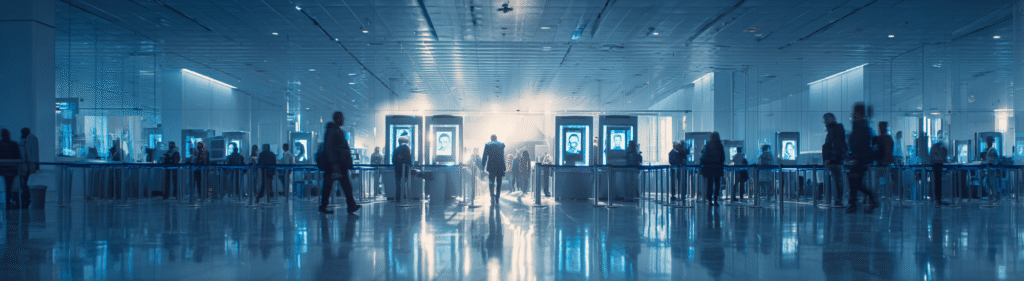
The spread of biometrics also raises a broader civil liberties concern. As governments and corporations adopt these systems, individuals lose the ability to compartmentalize identity. Your fingerprint grants access not just to your phone, but potentially to your bank, your health records, even border crossings. A single breach becomes a skeleton key across domains.
Case studies from India’s Aadhaar system show the danger vividly: biometric leaks have allowed fraudsters to siphon benefits from vulnerable citizens, with little recourse for those whose data was exposed. The system’s efficiency doubled as its Achilles’ heel.
Toward Biometric Stewardship
The solution is not to abandon biometrics altogether, but to deploy them with caution and restraint. Multi-factor authentication, robust encryption of templates, and legal frameworks for biometric redress are essential. More radically, some technologists advocate for “cancellable biometrics” — systems that can generate revocable digital versions of fingerprints or iris scans, providing a fallback when data leaks.
But technology alone is not enough. Policymakers must also address the asymmetry of risk: when companies mandate biometric logins, individuals bear lifelong consequences for breaches they cannot control. Without stronger safeguards, the age of biometric identity risks becoming an era of permanent vulnerability.
The Warning in Plain Sight
The password may be dying, but its obituary should not blind us to what replaces it. In making the body the key, we may be trading temporary inconvenience for permanent exposure. The last password, it seems, could also be the one we can never change.