By Ronan Pierce
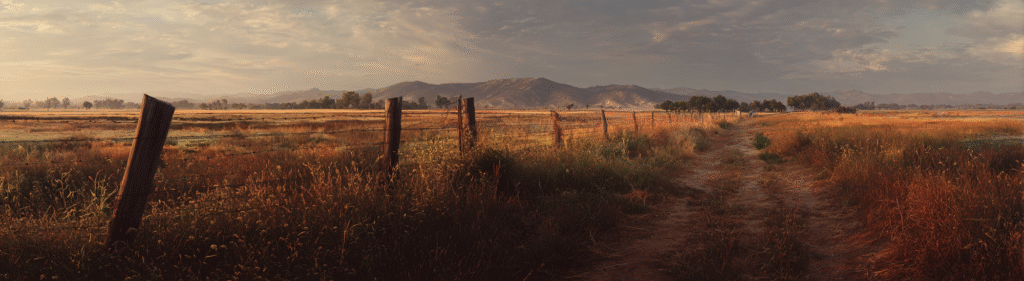
On the edge of Namibia’s Skeleton Coast, a rust-colored sunrise spills across the desert, painting the dunes in gold. Just beyond the park’s boundary, I meet Lena, a goat herder whose family has grazed this land for generations. From her yard, the horizon looks the same as it always has — except now, there’s a wire fence where there used to be open scrub.
That fence marks the start of a new conservation zone, created to protect endangered desert-adapted lions. It also cuts off one of Lena’s main grazing routes.
The Promise of Protection
Globally, governments and NGOs are racing to meet targets like “30 by 30” — protecting 30% of Earth’s land and oceans by 2030. These goals respond to an urgent need: biodiversity loss, climate change, and habitat fragmentation are accelerating.
But in rural areas, protected status often comes with restrictions on hunting, fishing, grazing, and gathering — activities that sustain local livelihoods. For conservationists, these rules safeguard ecosystems. For residents, they can mean the loss of both income and identity.
The Friction at the Boundary
In Kenya’s Maasai Mara, new wildlife corridors have been established to allow seasonal migrations. The corridors work — for the animals. But for farmers whose fields now sit inside the boundaries, crop damage from elephants and zebras has surged. Compensation schemes exist, but payments are often delayed or too small to cover losses.
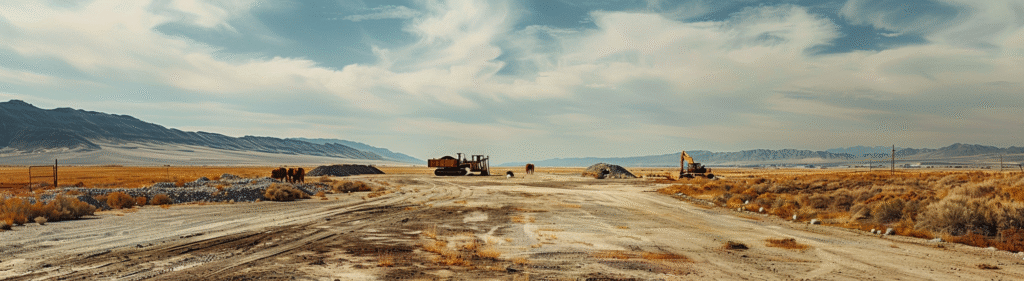
In Peru’s Madre de Dios region, gold miners — many working informally — have been pushed out of newly designated reserves. While deforestation has slowed, unemployment has risen, pushing some to clear land elsewhere, sometimes in even more ecologically sensitive zones.
The Local Knowledge Gap
Many conservation projects are designed in capital cities or foreign offices, with limited local input. The result: rules that overlook nuanced seasonal patterns, traditional management techniques, or historical land rights. In some cases, communities have been stewards of these ecosystems for centuries — yet find themselves treated as intruders.
Models for Coexistence
There are places where the balance works. In Namibia’s communal conservancies, locals share in tourism revenues and help manage wildlife populations. In the Philippines, community-managed marine reserves have restored fish stocks while improving incomes.
These successes tend to share three traits:
Early and ongoing consultation with affected communities.
Tangible economic benefits tied to conservation outcomes.
Shared governance that gives residents real authority, not just token roles.
Beyond the Fence
Standing with Lena, I watch the sun climb higher. She talks about her grandmother’s stories of lions passing through their land — how people adapted without formal borders or restrictions. She doesn’t oppose conservation; she simply wants to be part of it.
If global conservation is to succeed, it must recognize that landscapes are not empty. They are lived in, worked in, and storied. Protecting biodiversity should not mean fencing people out — it should mean inviting them in, as partners in keeping the land alive.